
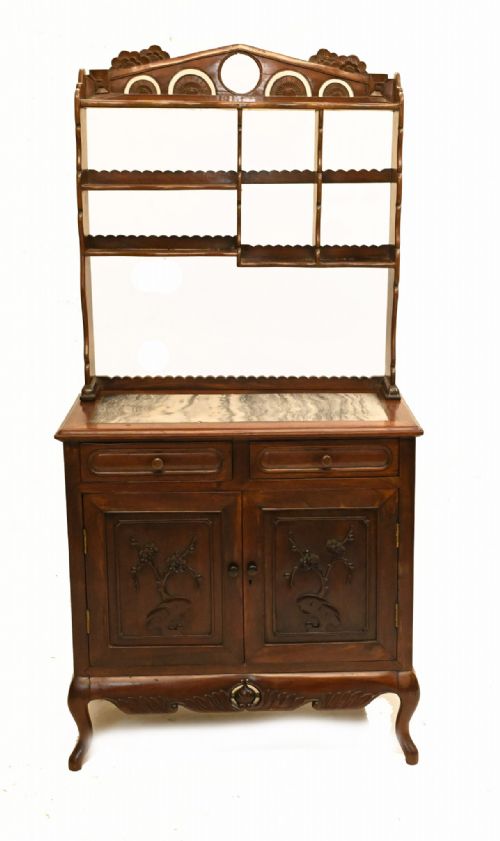
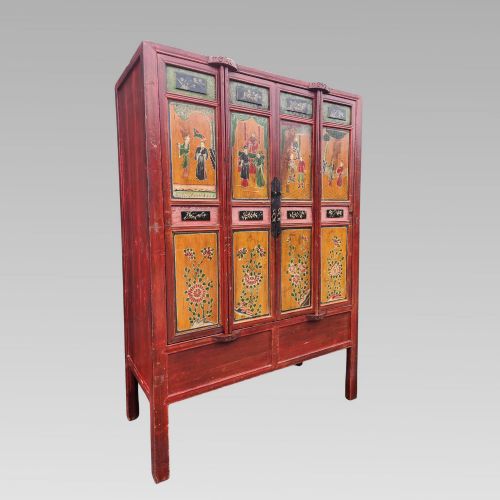


Antique Asian Sideboard Cabinet
An antique asian sideboard cabinet grounds a room with deep lacquers, regional hardwoods, and centuries of utility.
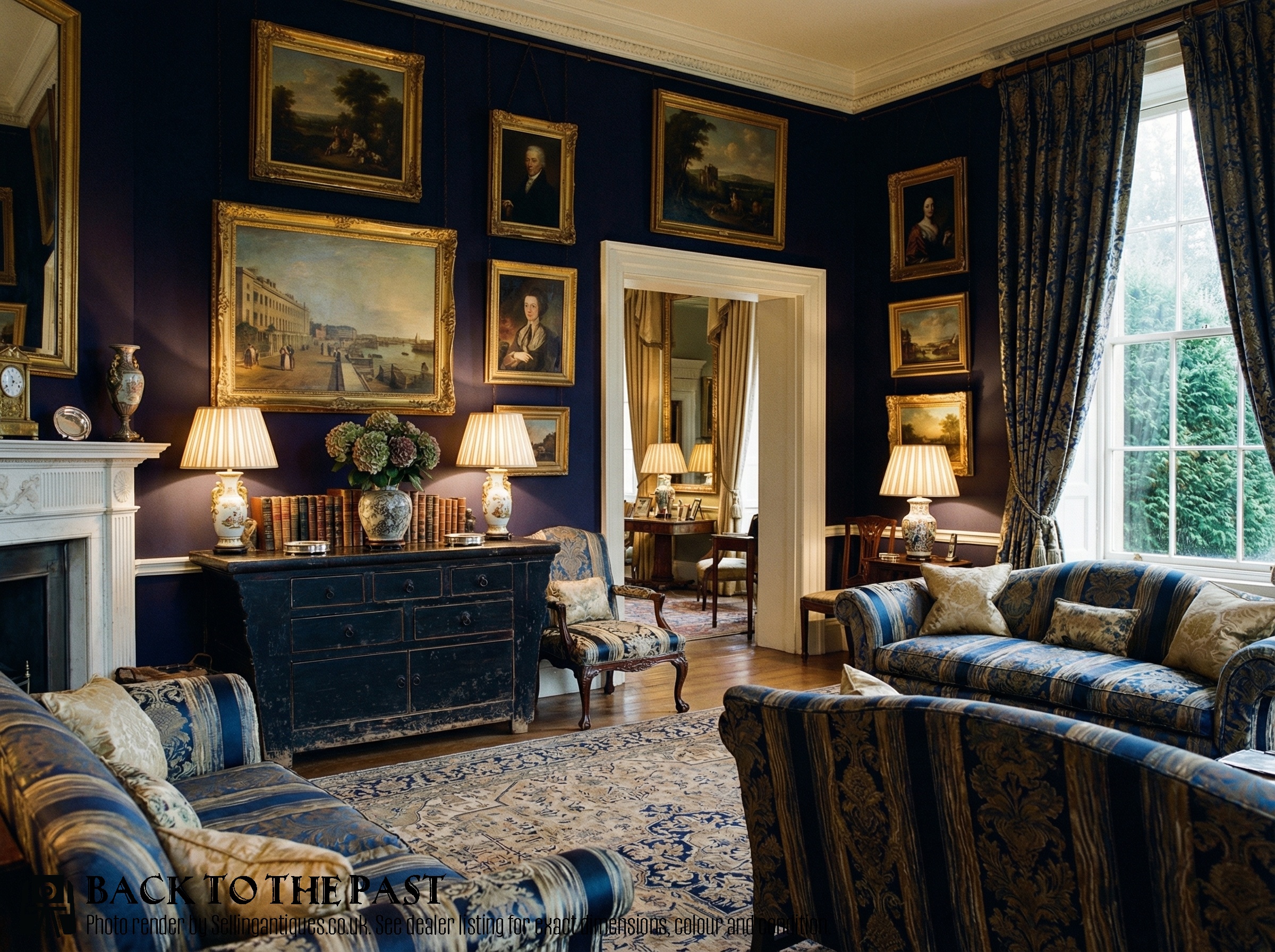
Antique Asian Sideboard Cabinet
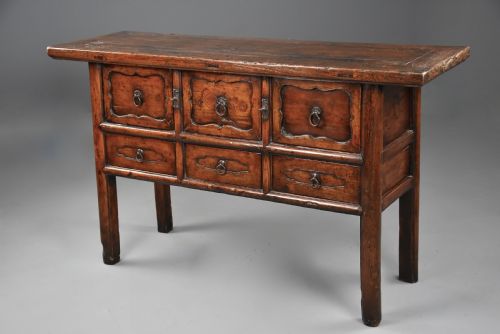
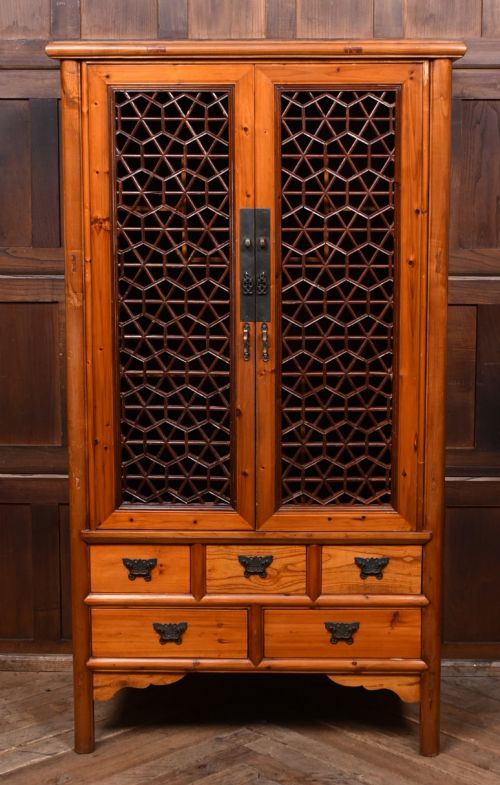
When you search for an antique asian sideboard cabinet, you encounter low storage furniture originating from China, Japan, Korea, Tibet, and Burma, dating primarily from the nineteenth and early twentieth centuries. These forms include provincial sideboards, kitchen tansu, larder cupboards, and marriage chests adapted to modern living spaces.
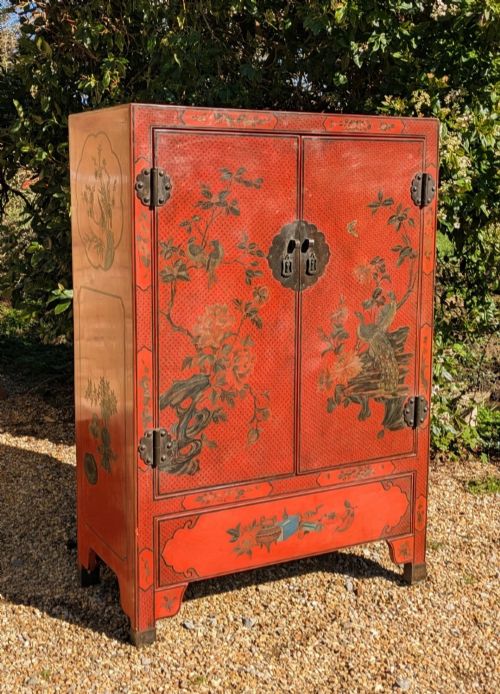
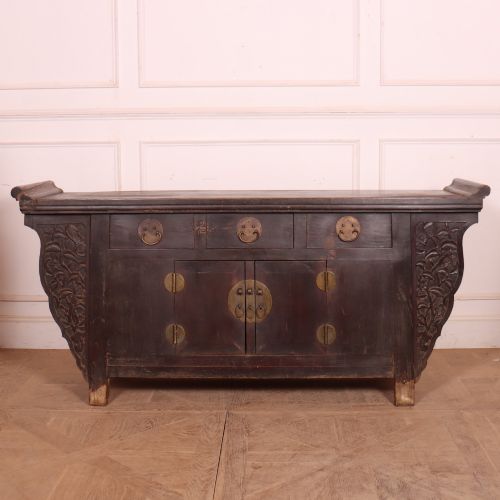
You are most likely to meet elm sideboards from Chinese provinces and lacquered cupboards finished in red or black pigments. Regional variants display specific functional forms, such as Japanese merchant chests and Korean side cabinets built for domestic storage.
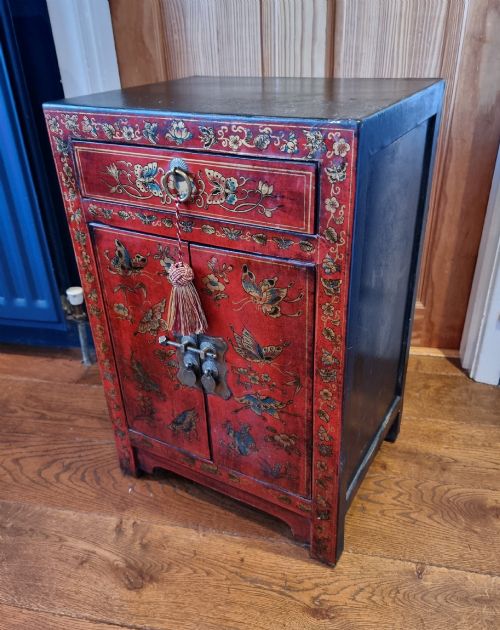
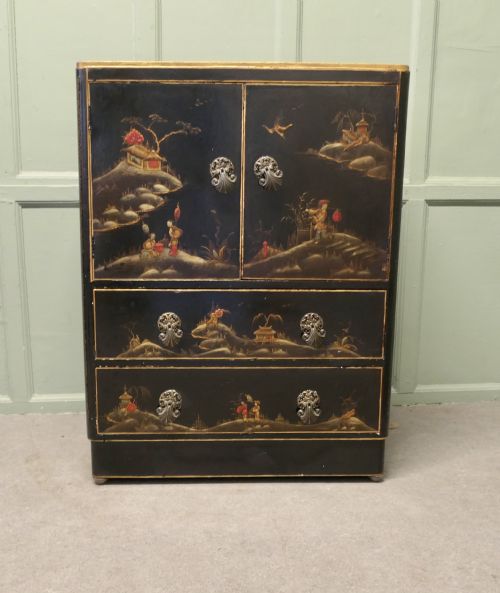
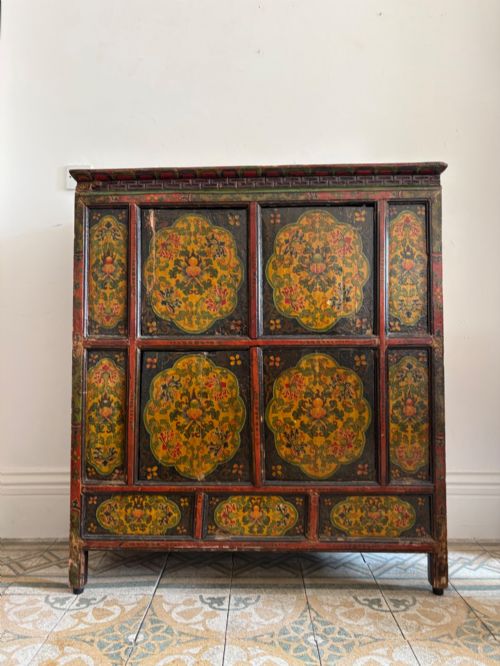
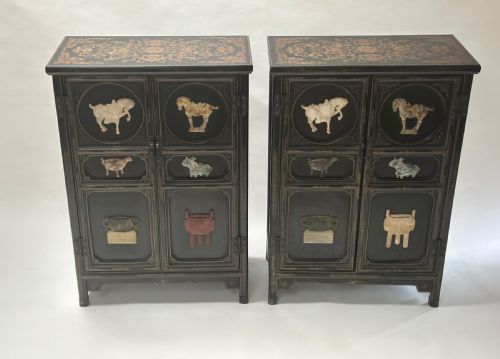
The selection ranges from rustic elm dressers with fine patinas to heavily decorated Chinoiserie cabinets featuring painted birds, flowers, and gilded carvings. Each piece reflects the domestic architecture and regional traditions of its origin.
How they were made
Cabinet makers utilised regional timbers such as Chinese elm, teak, pine, and keyaki wood, often selecting hardwoods for structural endurance and softer woods for internal panels. Joinery relied on traditional interlocking techniques that accommodated seasonal movement in the wood without metal fasteners.
Surfaces received multiple coats of natural lacquer derived from tree sap, sanded smooth and finished with pigments like cinnabar red or carbon black. Artisans applied hand-painted floral decoration, gilding, and brass or iron hardware including strap hinges and elaborate lock plates.
Listings feature pieces spanning from the mid-nineteenth century through the 1930s, constructed in elm, teak, and lacquered wood.
What varies in quality
Quality rests in the integrity of the original timber and the depth of the lacquering, where superior examples exhibit complex layers built up over months rather than simple surface paint. The crispness of hand-carved details and the preservation of original brass or iron hardware distinguish finer regional workshops from standard utility items.
The retention of original surface patination, whether through the warm grain of waxed elm or the crazed crackle of aged lacquer, dictates the visual authority of the piece. Proportion, balanced joinery, and untouched interior shelving elevate certain provincial cabinets above ordinary production.
The Antique Asian Sideboard Cabinet Glossary
- Tansu
- Traditional Japanese mobile storage chests built for specific domestic or mercantile tasks. These units often feature multiple internal drawers and sliding panels.
- Chinoiserie
- European-derived artistic style reflecting Chinese motifs and techniques. Applied finishes frequently mimic Asian lacquerwork using black and red grounds with painted gilt details.
- Elm
- A durable hardwood favoured by regional cabinet makers for its fibrous grain and strength. It takes a fine patina through decades of handling and wax application.
- Lacquer
- A natural resin finish applied in thin layers to wood substrates. It provides a durable, glossy protective coating that accepts pigments and metallic decoration.
Antique Asian Sideboard Cabinet: Frequently Asked Questions
Where should I place an antique asian sideboard cabinet?
These cabinets suit dining rooms as serving surfaces, hallways as console tables, or living areas for media storage.
Ensure placement avoids direct sunlight and major heat sources to protect natural lacquer and timber from drying out.
How do I clean a lacquered cabinet?
Dust surfaces regularly with a soft, dry microfibre cloth to prevent particulate accumulation.
Avoid chemical polishes, water, and abrasive cleaners which can permanently damage aged lacquer finishes.
What is the difference between tansu and Chinese cabinets?
Tansu originate in Japan as functional modular chests designed for merchants or kitchens with numerous small drawers.
Chinese cabinets generally focus on frontal cupboard doors, wider elm boards, and formal painted or carved panels.
How can I identify regional Chinese styles?
Shanxi and Fujian pieces display distinct provincial joinery traditions and specific local colour palettes in their lacquer work.
Examining the underlying wood species and hardware mounting reveals regional woodworking preferences.