

Painted Oriental Storage Cabinet
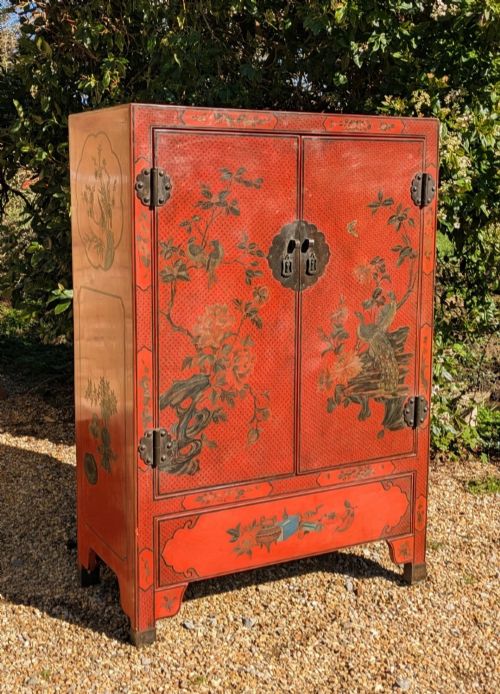
A painted oriental storage cabinet brings striking colour and rich narrative to a room, offering practical storage disguised as art.
Painted Oriental Storage Cabinet
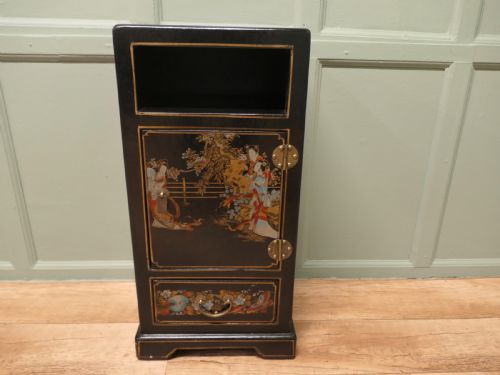
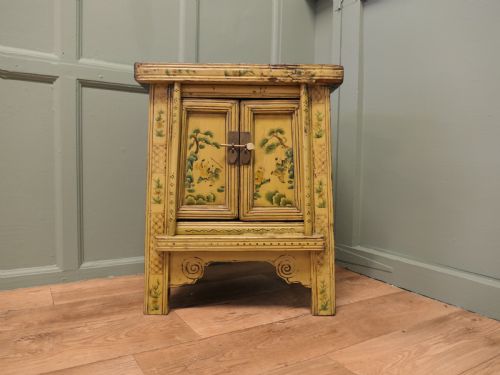
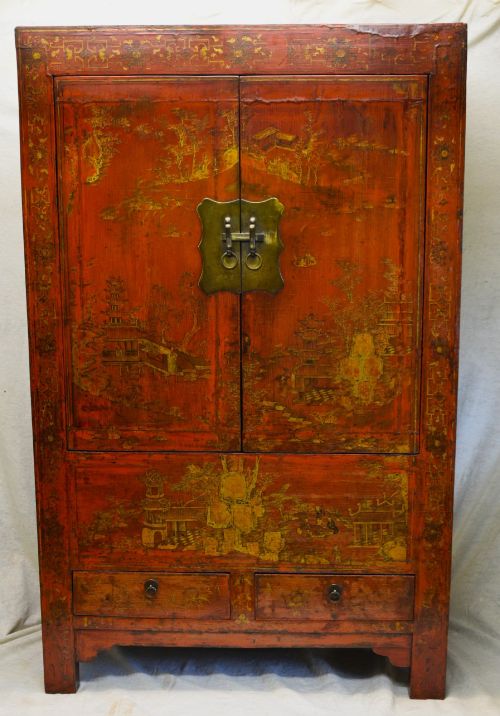
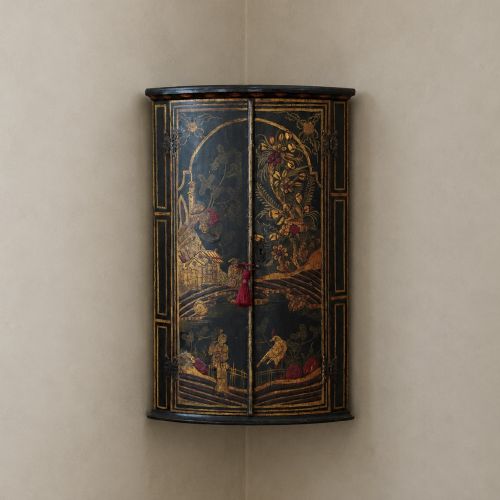
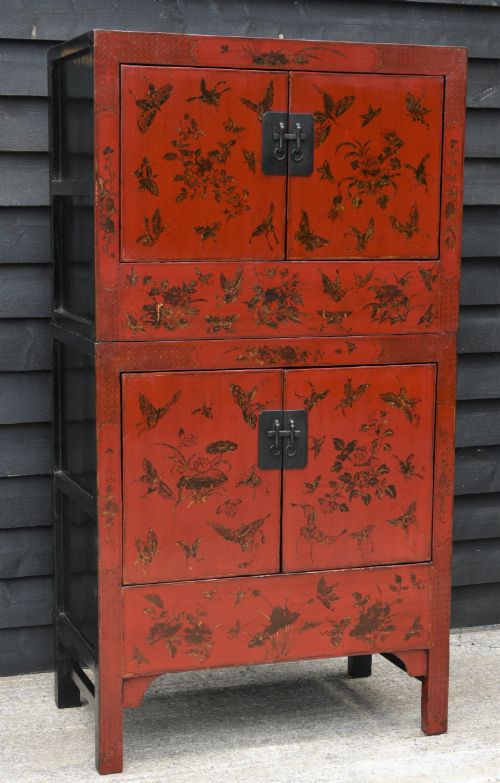
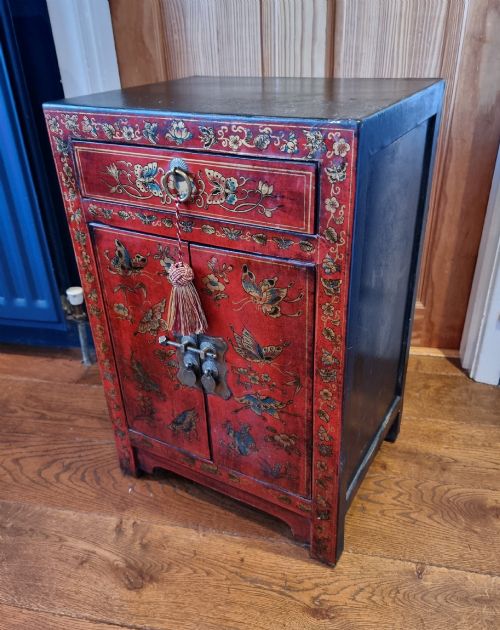
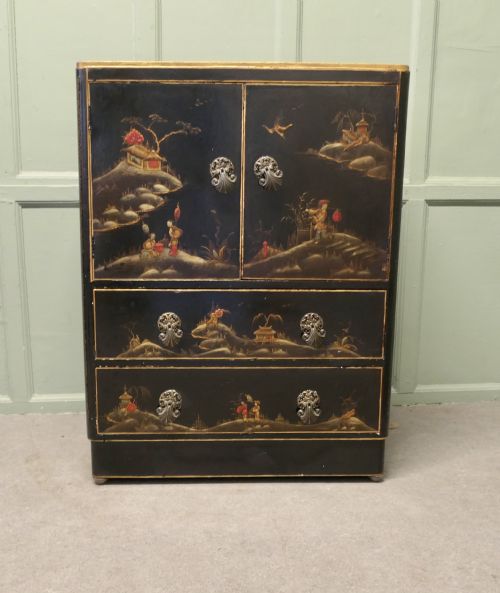
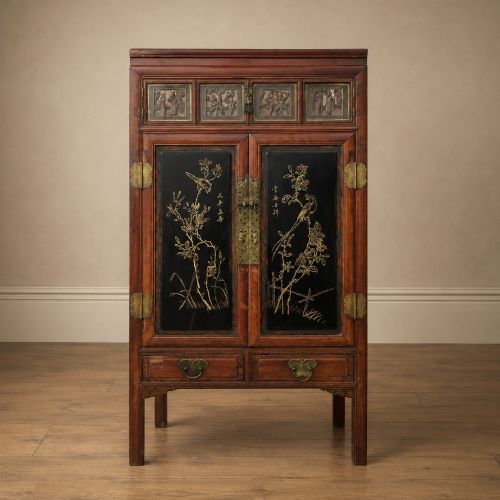
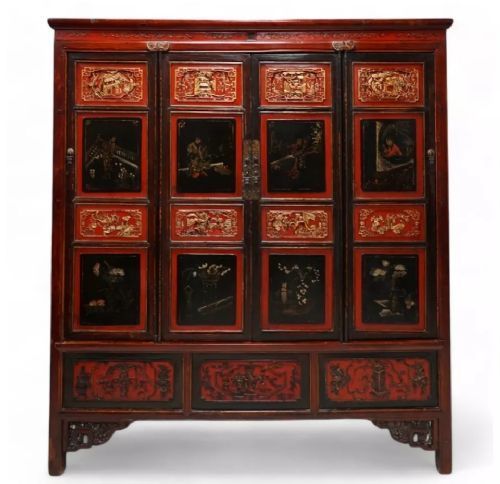
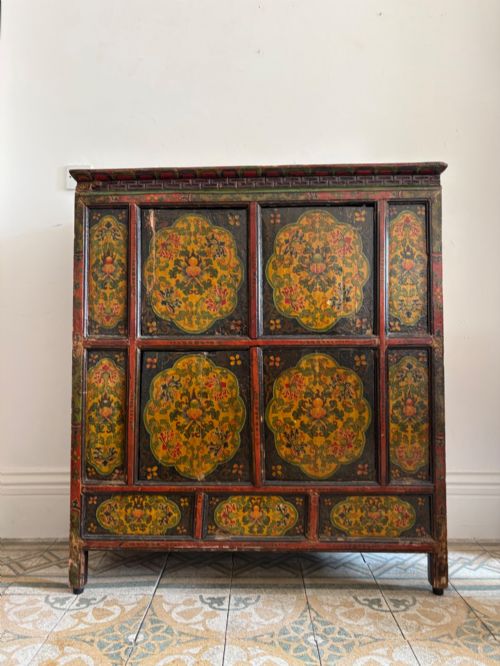
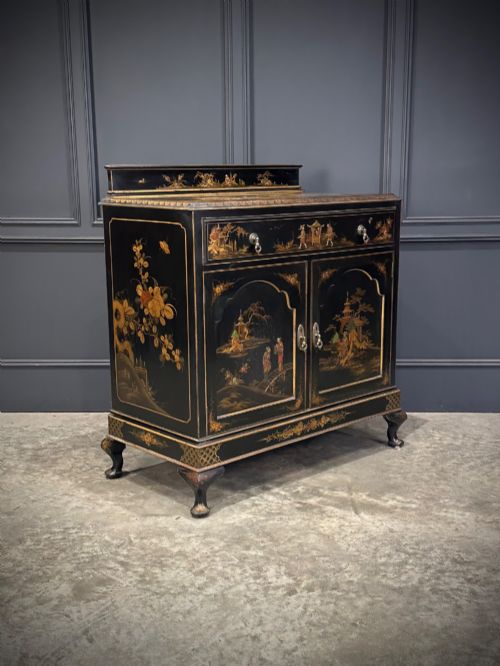
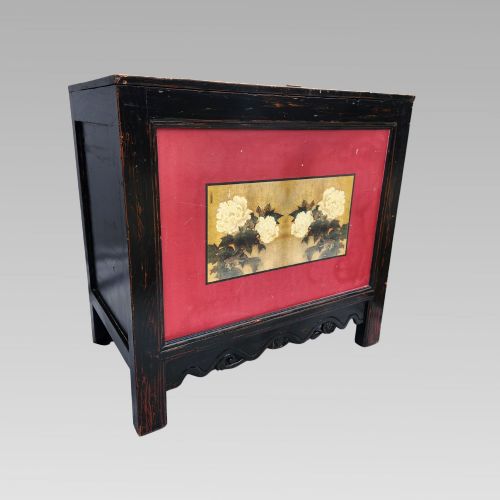
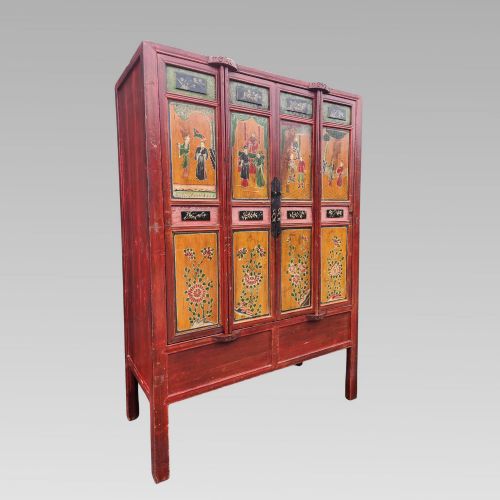
A painted oriental storage cabinet takes several distinct architectural forms, from tall marriage cabinets and wedding chests to side cupboards, corner units, and cabinets on stands. These pieces originate from various traditions, including Chinese Qing Dynasty works, Tibetan painted examples, and Korean Joseon style chests.
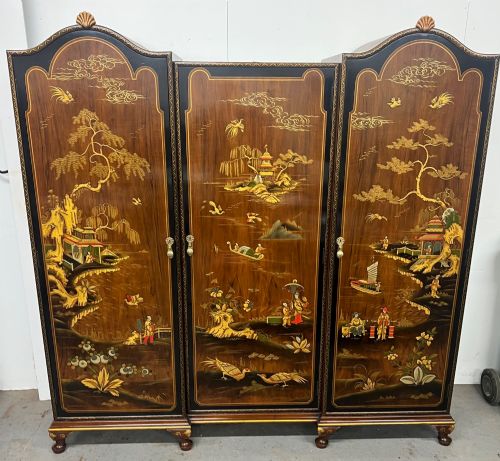
Buyers will encounter substantial 19th-century timber vessels alongside early 20th-century creations, including pieces executed in the Chinoiserie taste and Chinoiserie Revival styles. Side cabinets and smaller cupboards sit alongside imposing wardrobes, coffres, and trunks designed to organise interiors while displaying ornate surface decoration.
Materials and Construction
Makers built these cabinets using woods such as Chinese elm and general painted wood, often applying layers of lacquer to create a deep, lustrous ground. Surfaces received detailed hand-painted decoration, sometimes enriched with gilt highlights to define floral motifs, birds, and narrative scenes.
Hardware played a functional and decorative role, with craftsmen mounting brass and iron hinges, plates, and lock mechanisms onto the wood. Cabinets occasionally rested on carved stands or incorporated bow-front structures, particularly in pieces made for Western markets during revival periods.
Materials recorded across the selection include lacquered wood, elm, brass, iron, and gilt highlights applied to painted surfaces.
Quality and Execution
The distinction between tiers of work rests largely on the execution of the surface painting and the depth of the lacquer finish. Finer examples display meticulous brushwork in floral and figural scenes, whereas simpler items rely on more stylised or repetitive decoration.
Construction methods and timber selection also divide the range, with solid native hardwoods and robust internal joinery marking out superior pieces. The integrity of the original surface patination and the retention of matching metalwork further separate standard production from exceptional survival.
Maples & Co.
The Painted Oriental Storage Cabinet Glossary
- Chinoiserie
- European decorative style reflecting Chinese artistic influences, popular in furniture and interior design across various periods. It frequently employs motifs of landscapes, figures, and pagodas rendered in lacquer and paint.
- Japanned
- European imitation of East Asian lacquerwork, created through successive coats of varnish and polished finishes. This technique was widely applied to cabinets and corner cupboards during revival phases.
- Marriage Cabinet
- Large storage piece traditionally given to brides in China, often finished in vibrant red lacquer symbolising good fortune. These items feature prominent brass hardware and interior shelving.
- Qing Dynasty
- The final imperial dynasty of China, spanning from the seventeenth to the early twentieth century. Furniture from this era often forms the basis for antique oriental storage pieces.
Painted Oriental Storage Cabinet: Frequently Asked Questions
What fits inside a painted oriental storage cabinet?
These cabinets provide versatile storage space behind large doors, often housing removable shelves or hanging areas depending on the original form. Wedding chests and side cupboards work well for linens, tableware, or everyday items.
Taller armoires and wardrobes accommodate clothing, while smaller side cabinets function effectively as media units or hallway storage. The internal configuration varies according to whether the piece served a domestic Chinese household or was built for the Western export market.
How do I care for lacquered wood furniture?
Lacquered surfaces require gentle maintenance to preserve the painted decoration and glossy finish over time. Keep pieces away from direct sunlight and strong heat sources to prevent the wood and lacquer from drying out.
Dust regularly with a soft, dry cloth rather than using chemical polishes or abrasive cleaners. Maintaining a stable indoor humidity level protects both the timber substrate and the delicate painted layers.
Where does a painted oriental storage cabinet work best?
A vibrant red or black lacquered cabinet serves as a strong focal point in a living room, dining room, or hallway. Corner cupboards fit neatly into unused angles while introducing pattern and colour to plain walls.
Pairing these pieces with neutral backgrounds allows the detailed hand-painted flora and fauna to stand out. They bridge traditional and modern interiors by adding texture, history, and distinct chromatic weight.
How can I tell the period of these cabinets?
Dating relies on examining the construction timber, the style of the brass or iron hardware, and the character of the paintwork. Nineteenth-century examples often show distinct signs of age in the crazing and wear of the lacquer.
Twentieth-century interpretations, such as Edwardian or Art Deco Chinoiserie pieces, frequently incorporate Western furniture forms like bow fronts or fitted cocktail interiors. Comparing the decorative motifs against known historical styles helps clarify the likely era of manufacture.