


Vintage Oriental Cupboard
A vintage oriental cupboard brings centuries of Asian and European craftsmanship home, offering substantial storage wrapped in rich lacquer and hand-painted detail.
Vintage Oriental Cupboard
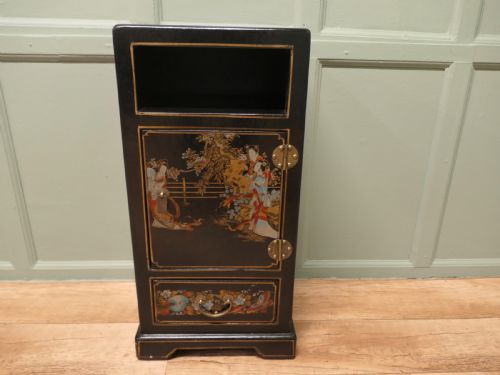
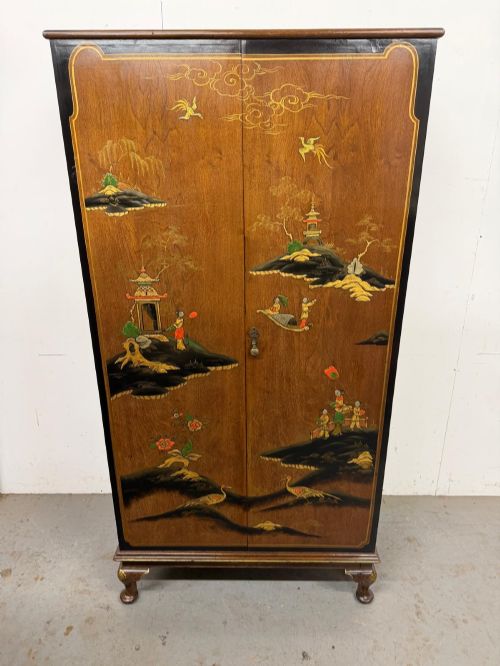
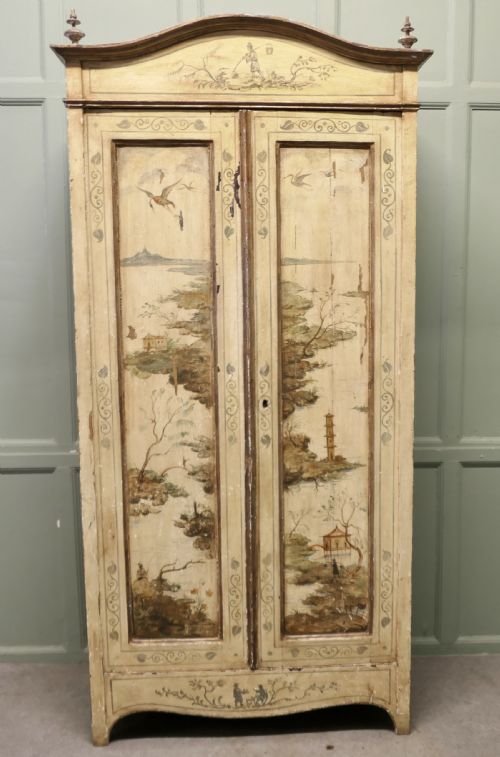
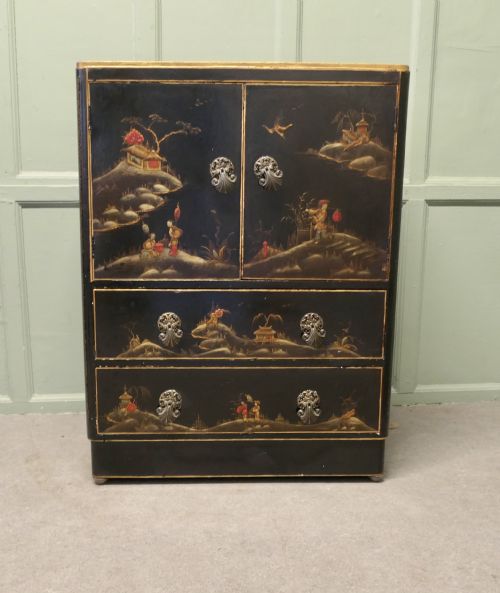
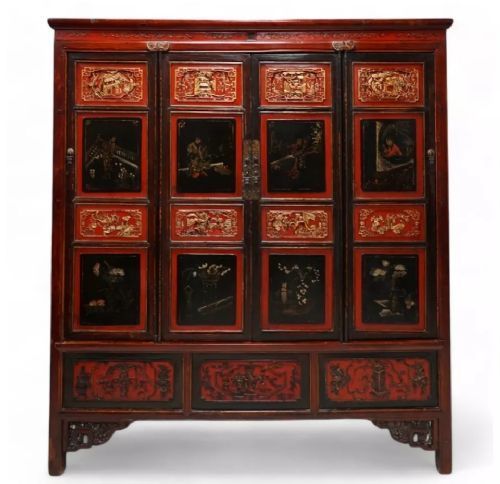
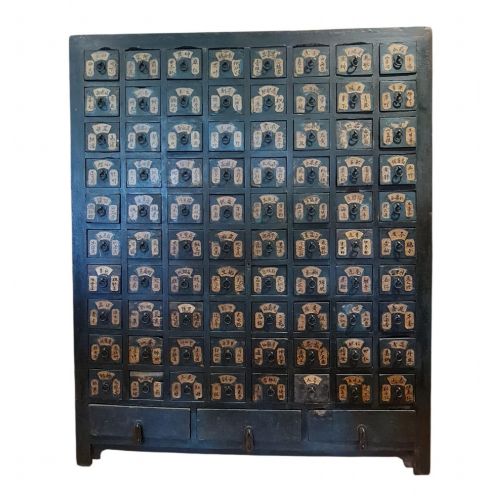
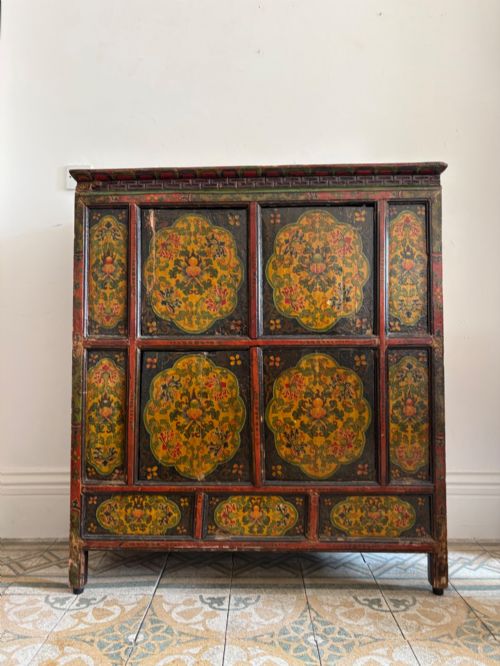
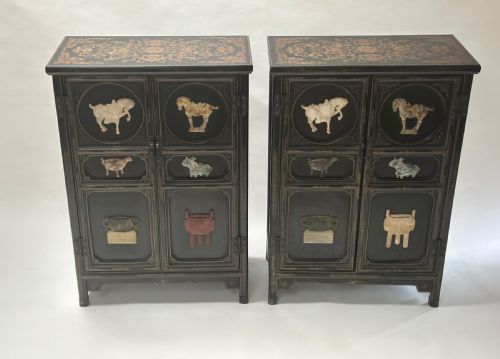
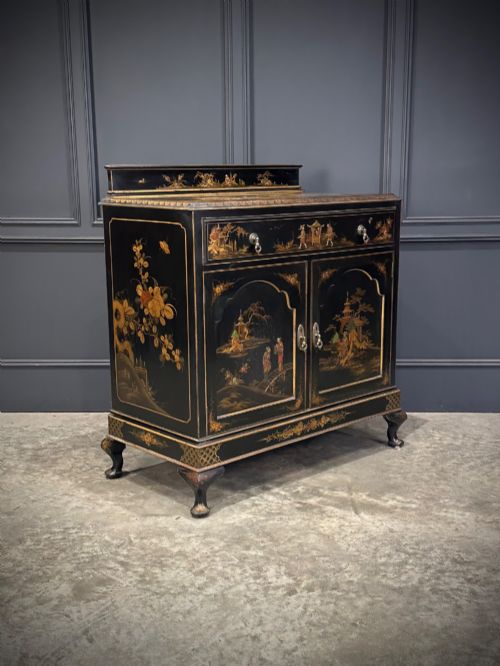
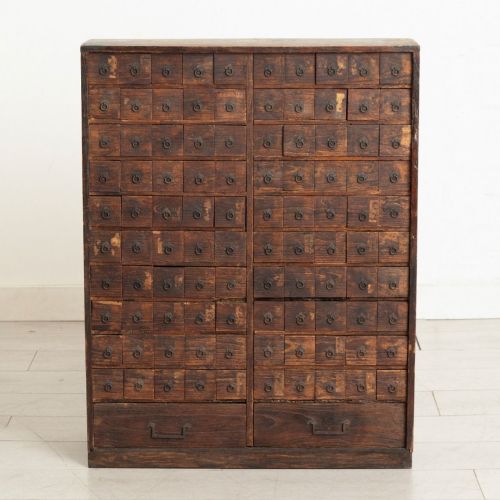
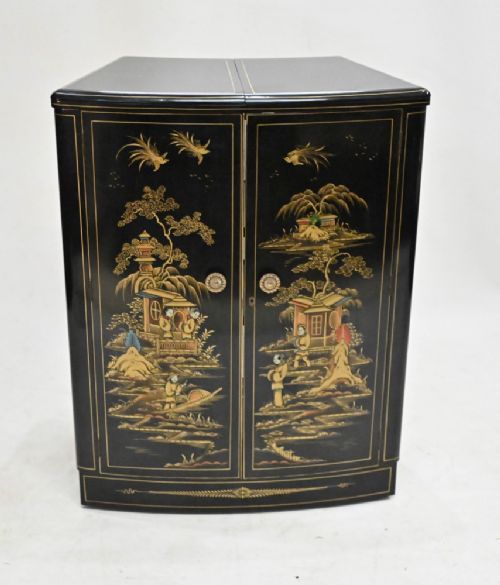
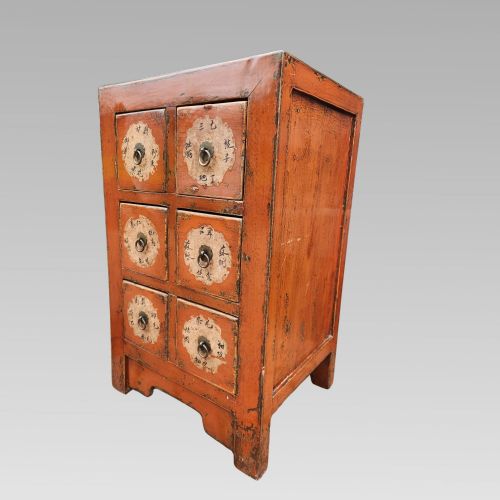
A vintage oriental cupboard spans several functional forms, ranging from towering marriage cabinets and compact sideboards to specialised apothecary chests with numerous small drawers. Buyers searching this phrase most frequently encounter 19th-century and early 20th-century pieces, including Chinese elm storage units and British Chinoiserie interpretations.
The selection encompasses diverse regional traditions such as Japanese tansu chests, Korean painted storage pieces, and elaborate cocktail cabinets fitted for modern entertaining. These works bridge practical storage needs with decorative presence, utilising distinct regional construction methods and timber choices.
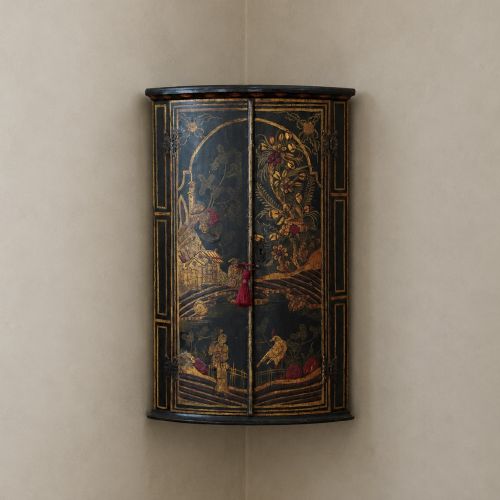
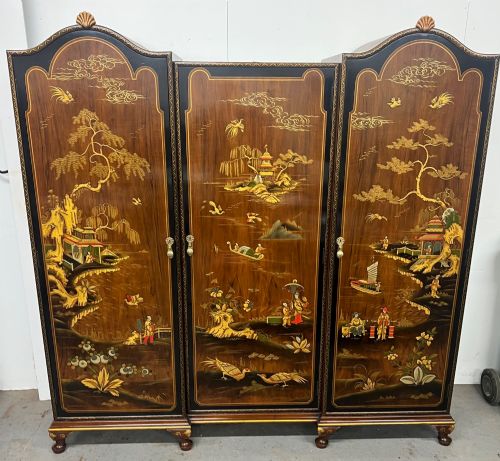
Forms vary from corner cupboards and wardrobe compactums to low bedside tables and large compound cabinets. Each type reflects the specific domestic requirements of its period, whether storing medicinal herbs, garments, or household provisions.
Materials and construction
Makers utilised native timbers including Chinese elm, camphor wood, teak, bamboo, and dense hardwoods like zitan for structural integrity. These woods provided durable frames capable of supporting heavy internal contents and thick exterior surface treatments.
Surfaces frequently received layers of lacquer in black, red, yellow, or green, often complemented by hand-painted outdoor scenes, floral motifs, and birds. Artisans applied gilt detailing and decorated panels with brass or iron hardware such as strap hinges and decorative lock plates.
Listings feature pieces spanning the Georgian era through the Art Deco period, incorporating elm, lacquer, and brass.
Assessing craftsmanship
Superior examples demonstrate precision in joinery and the original preservation of layered lacquer and hand-painted surface decoration. The depth of the decorative work, from carved zitan panels to intricate floral brushwork, distinguishes exceptional items from standard production.
Hardware integration plays a vital role, where hand-forged iron or brass mounts fit flush and function smoothly within the overall design. Original finishes that retain their intended colour and patination without excessive modern intervention command greater appreciation.
Maples and Co.·Harrods
The Vintage Oriental Cupboard Glossary
- Chinoiserie
- European artistic interpretation of Chinese and East Asian artistic traditions, popular in furniture decoration. This style frequently employs lacquer, gilt, and painted motifs depicting landscapes and figures.
- Tansu
- Traditional Japanese mobile cabinetry and chests built for storage and transport. These modular wooden units often feature numerous drawers and iron hardware.
- Lacquer
- A durable resin finish applied in multiple coats to wood surfaces and polished to a hard sheen. It provides a protective barrier and serves as a base for painted or carved ornamentation.
- Japanned
- A European imitation of East Asian lacquerwork developed during the seventeenth and eighteenth centuries. The technique involves applying heat-dried varnishes and metallic dust to furniture surfaces.
- Compactum
- A multi-compartment wardrobe designed for efficient clothes storage with hanging space and drawers combined. These units maximise internal capacity within a contained footprint.
Vintage Oriental Cupboard: Frequently Asked Questions
What is a tansu chest?
A tansu chest is a traditional Japanese mobile storage cabinet constructed from timber with iron fittings. These pieces were designed to be easily moved and adapted to various domestic uses.
They often feature numerous small drawers or sliding doors, reflecting the practical organisation needed in traditional Japanese interiors.
How do I care for lacquered wood?
Lacquered surfaces require gentle maintenance to preserve the finish against temperature and humidity fluctuations. Keep these pieces away from direct sunlight and heat sources to prevent cracking.
Dust regularly with a soft, dry cloth and avoid using chemical cleaning products or abrasive polishes that might damage the surface.
What is an apothecary cabinet?
An apothecary cabinet is a specialised storage chest featuring many small drawers originally used by herbalists and doctors. These compartments organised dried ingredients, roots, and medicinal preparations.
Today, these cabinets function as striking decorative storage units in living spaces or hallways due to their distinctive multi-drawer facades.
How do I distinguish Chinoiserie from traditional Asian pieces?
Chinoiserie furniture represents European interpretations of East Asian design, manufactured primarily in Britain and continental Europe during various periods. These pieces utilise European construction methods and native timbers decorated with Asian-inspired motifs.
In contrast, traditional Asian pieces originate directly from regions such as China, Japan, or Korea, employing local joinery techniques and regional timber species like elm or camphor.