
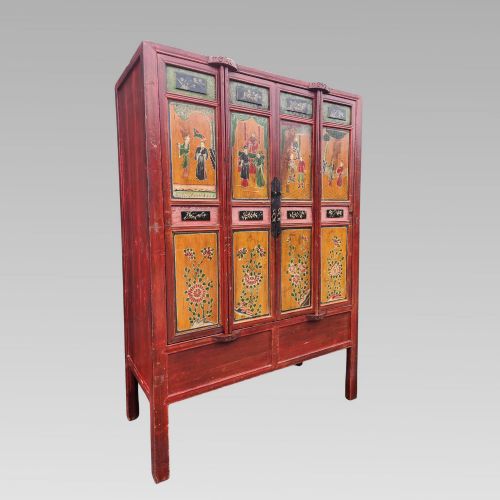


Asian Painted Coffer
An asian painted coffer brings rich colour and striking form to an interior, offering practical storage disguised in traditional artistry.
Asian Painted Coffer
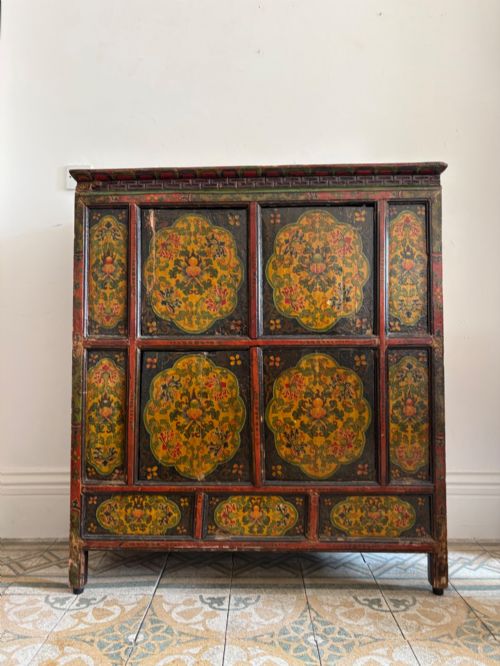
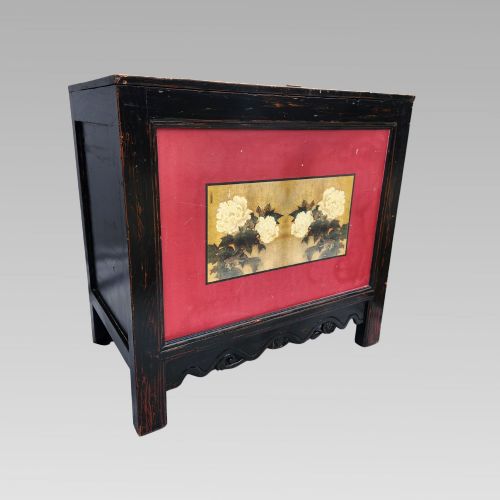
When buyers search for an asian painted coffer, they encounter storage pieces including chests, trunks, cabinets, and marriage chests spanning the nineteenth and early twentieth centuries. These items draw from traditional Chinese, Tibetan, Korean Joseon style, and Chinese provincial aesthetics, reflecting diverse regional workshops.
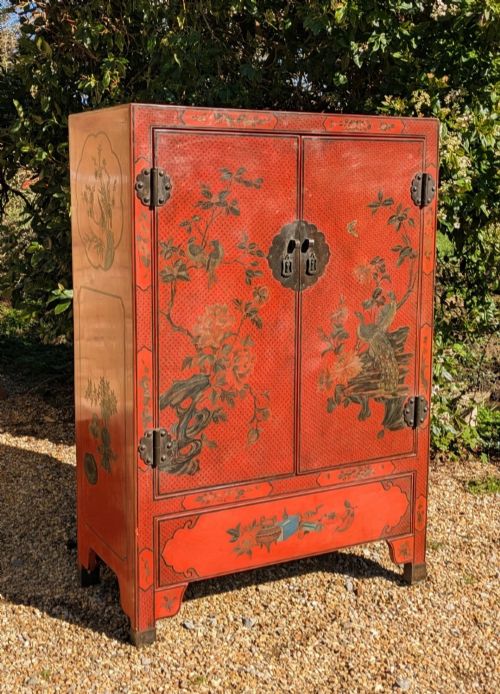
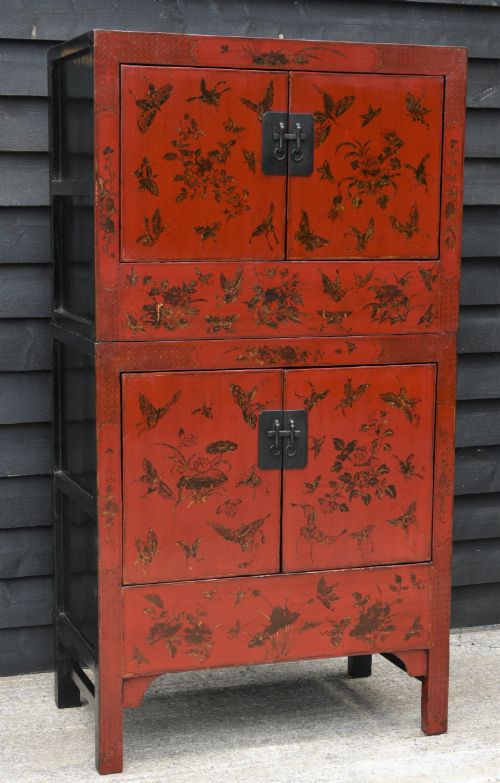
The most frequent examples on this page are red or black lacquered marriage cabinets and storage chests, often decorated with floral motifs or finished in bright pigments. Many of these pieces retain original surfaces, showcasing the functional artistry of their period.
Originating across Asian traditions, these items function as versatile storage furniture while serving as visual anchors in modern rooms. Their construction balances sturdy timber carcasses with decorative painted or lacquered exteriors.
Materials and construction
Makers built these pieces primarily from wood such as pine, applying layers of lacquer, pigment, and mineral colour to the surfaces. Artisans frequently added gilt highlights and floral decoration to create striking visual contrast against red or black backgrounds.
Hardware played an essential structural and decorative role, with brass and iron mounts reinforcing corners, hinges, and drawer fronts. These metal elements were combined with traditional joinery to ensure durability across decades of daily use.
Listings feature pieces spanning the nineteenth century, 1900, 1920, and 1930, using wood, lacquer, brass, iron, and mineral pigment.
Assessing quality
Quality rests in the preservation of the original lacquer surface and the delicacy of the hand-painted floral decoration. Pieces that retain their early pigments and untouched patination command greater interest than those with heavy later repainting.
The sophistication of the timber construction and the integrity of brass or iron hardware also distinguish finer examples. Superior pieces display harmonious proportions and well-executed joinery that withstands centuries of movement.
The Asian Painted Coffer Glossary
- Lacquer
- A durable resin finish applied in multiple layers to wood surfaces, providing a glossy, protective coating that accepts pigments and gilt decoration. This technique has a long history across Asian decorative arts.
- Chinoiserie
- European artistic styles reflecting Chinese motifs and decorative techniques, often applied to furniture and objects during the eighteenth and nineteenth centuries. It relies on imaginative interpretations of Eastern aesthetics.
- Marriage Cabinet
- A traditional storage piece often presented to brides, typically featuring double doors, vibrant red lacquer, and symbolic floral decoration. These items served both practical storage and ceremonial functions.
- Mineral Pigment
- Ground natural minerals used to create vibrant, lasting colours on wooden furniture and religious art. These pigments provide the distinct hues seen on traditional painted coffers and chests.
- Gilt
- Application of gold leaf or powder onto a surface to highlight carved details or decorative borders. It creates a luminous contrast against dark lacquer backgrounds.
Asian Painted Coffer: Frequently Asked Questions
Where should I put an asian painted coffer?
These pieces work well as statement storage items in living rooms, hallways, or bedrooms where their colour and form can be appreciated. They provide functional space for linens or objects while adding a distinct visual focal point to an interior.
Because of their decorative surfaces, keep them away from direct sunlight and excessive moisture to preserve the original lacquer and pigments over time.
How do I clean an asian painted coffer?
Dust the surface regularly with a soft, dry cloth to prevent dirt accumulation on the lacquer and painted details. Avoid harsh chemical cleaners, polishes, or water, which can damage historic finishes.
If the piece requires deeper cleaning, consult a professional conservator who specialises in Asian lacquerware to ensure the fragile pigments remain protected.
Are these pieces from the Qing Dynasty?
Some items date from the nineteenth century during the Qing Dynasty, while others reflect regional styles and later twentieth-century production up to the 1930s. Dating depends on construction methods, materials, and stylistic markers recorded in each listing.
Examining the wood, hardware, and lacquer layers helps determine the approximate period of manufacture for individual chests and cabinets.
How do I identify a marriage cabinet?
Marriage cabinets typically feature double doors opening to reveal interior shelving or storage space, often finished in vibrant red lacquer. They frequently incorporate floral decoration symbolising prosperity and happiness for the newlyweds.
These large storage items were central pieces of traditional domestic furniture in Chinese households.