



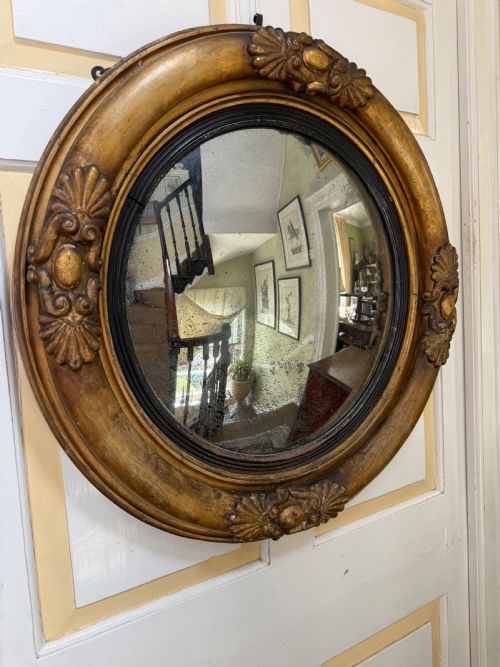
Ebonised Gold Wall Mirror
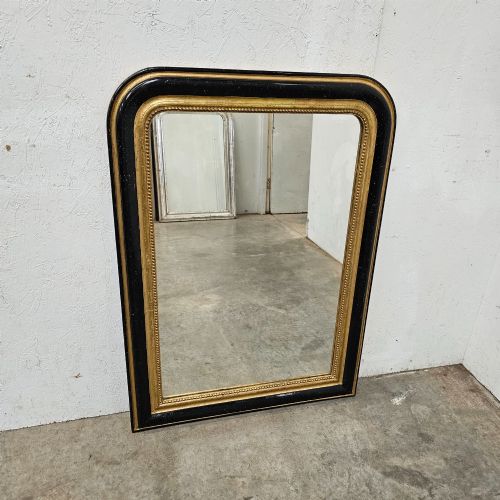
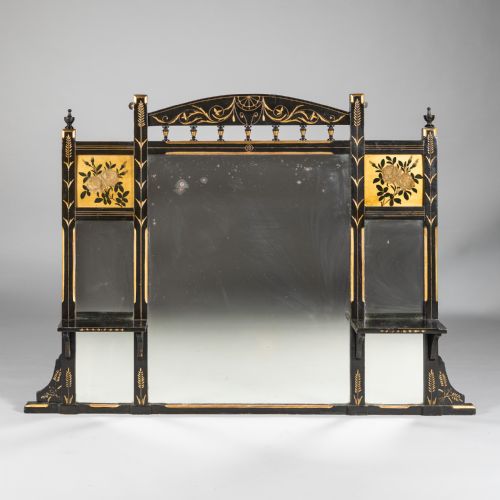
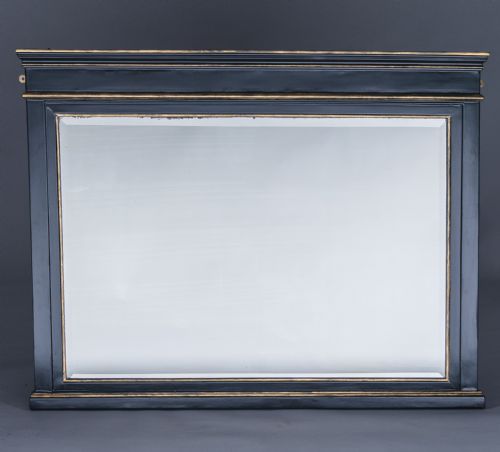
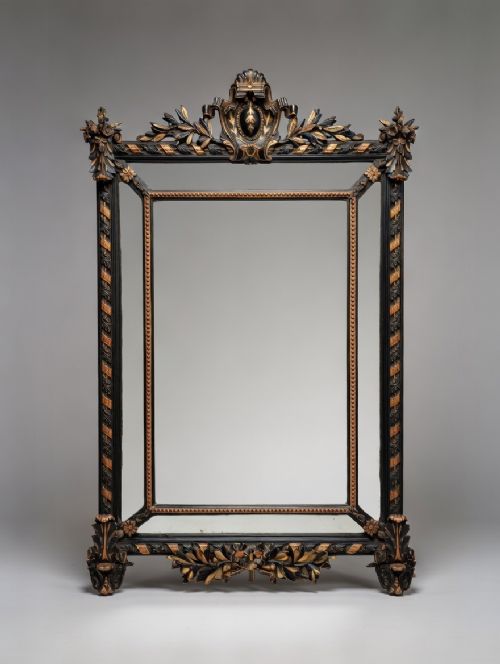
An ebonised gold wall mirror brings striking dark frames and brilliant gilt contrast into a room, drawn mainly from nineteenth century Victorian and Regency makers.
Ebonised Gold Wall Mirror
When you search for an ebonised gold wall mirror, you encounter pieces that combine dark ebonised surfaces with parcel-gilt highlights. These objects span periods from the Regency era through the Victorian period, including Aesthetic Movement and Napoleon III designs.
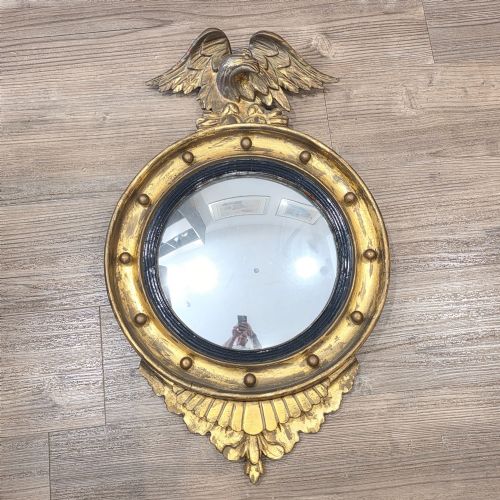
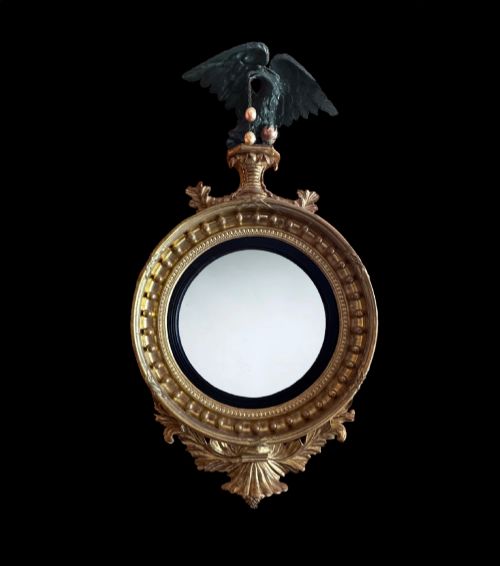
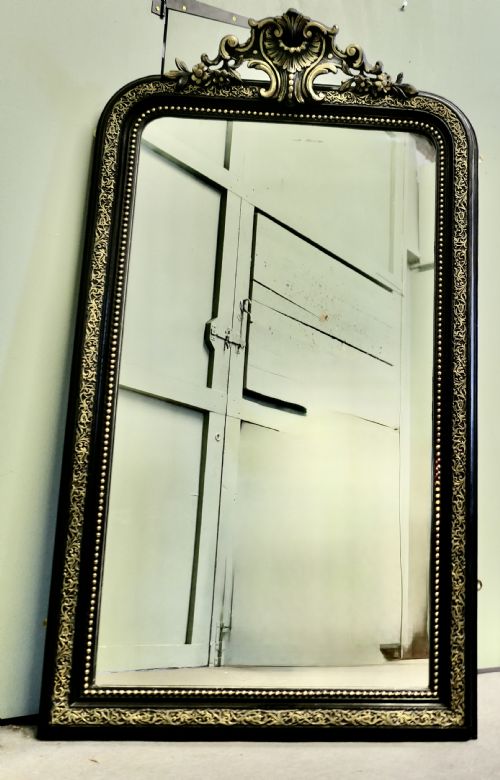
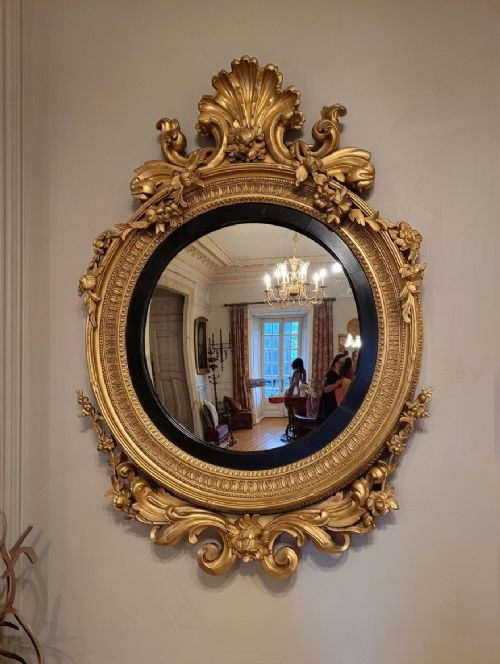
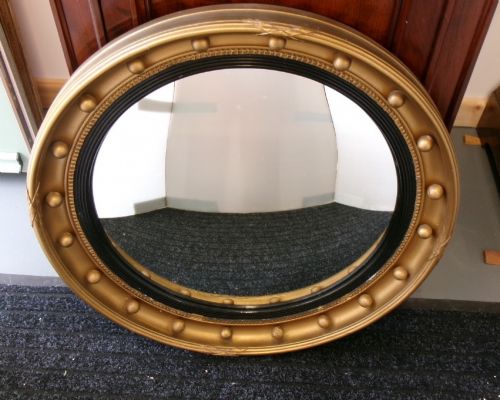
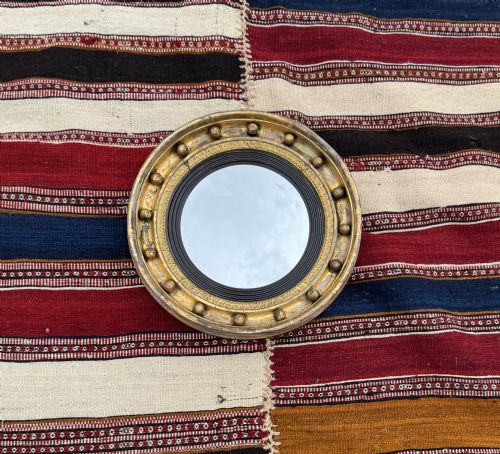
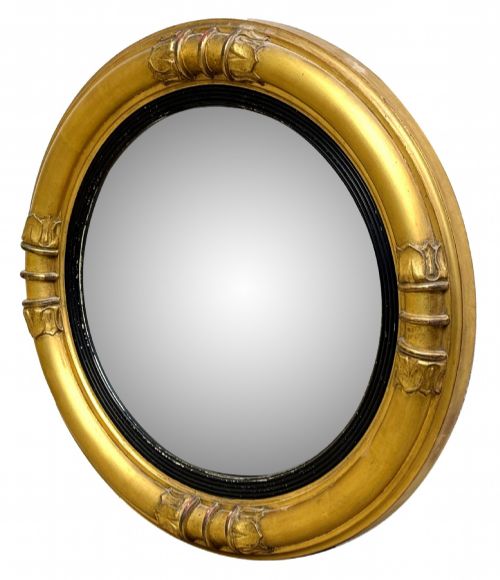
The forms you are most likely to meet on this page include large overmantle mirrors, grand pier mirrors, and circular convex mirrors often framed with gesso and gold leaf. Many items display architectural proportions or carved details such as eagle crests.
Originating largely from nineteenth-century workshops in England and France, these wall mirrors served to reflect light and anchor formal rooms. Their enduring appeal lies in the sharp interplay between black wood and bright gold.
How they were made
Constructed primarily from timber such as wood and mahogany, the frames receive a dense ebonised finish to simulate costly ebony. Artisans apply gesso layers to build up decorative moulding before laying down gold leaf and parcel-gilt details.
Mirror glass is set within these heavy frames, often utilising convex plates that require skilled glassblowing techniques to achieve a curved reflection. Carved wooden elements and plaster ornaments are securely pinned or adhered before gilding.
Several convex mirrors feature watchful spread eagles perched on top, keeping a sharp eye on everyone in the room.
What varies in quality
Quality rests in the crispness of the carving on wooden and gesso elements, where finer pieces retain sharp edges and deeply defined ornaments. The depth and evenness of the ebonised finish relative to the gold leaf also separate standard production from superior craftsmanship.
The integrity of the mirror glass influences the standing of a piece, with older plates showing distinct silvering characteristics. Substantial frames with sound structural joinery and original gilded surfaces command greater appreciation among collectors.
The Ebonised Gold Wall Mirror Glossary
- Ebonised wood
- Timber treated with a dark stain or finish to imitate ebony. This dark ground provides a stark contrast to gilded highlights.
- Parcel-gilt
- Partially gilded decoration applied to specific carved areas or raised mouldings. It leaves the underlying ebonised wood visible elsewhere.
- Gesso
- A plaster mixture applied to wood frames to create a smooth surface for gilding. It allows for intricate moulded details and relief work.
- Convex mirror
- A round mirror glass curved outward to provide a wide-angle reflection. These are frequently mounted with circular frames and eagle surmounts.
- Pier mirror
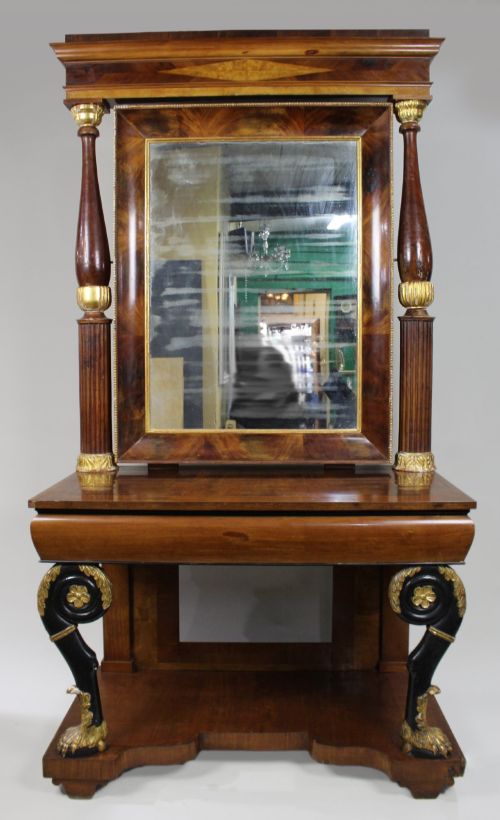
- A tall mirror designed to hang on the wall between windows. They often complement console tables positioned directly below them.
Ebonised Gold Wall Mirror: Frequently Asked Questions
Where should I hang an ebonised gold wall mirror?
These mirrors suit spaces where they can reflect light and anchor a room, such as above a fireplace mantel or a console table. Their dark frames work well against neutral or richly coloured walls.
Ensure the wall construction supports the considerable weight of timber, gesso, and glass frames, particularly for larger overmantle or pier mirrors.
How do I identify a Regency period mirror?
Regency mirrors often feature classical motifs, circular convex plates, and distinct architectural framing. Look for giltwood finishes and specific surmounts like eagles.
Many examples from this era date from the early nineteenth century and display balanced, restrained proportions typical of the style.
What is an overmantle mirror used for?
An overmantle mirror hangs directly above a fireplace mantelpiece to fill vertical wall space and brighten the interior. Victorian examples tend to be wide and substantial.
They frequently feature arch tops or rectangular formats designed to mirror the proportions of the fireplace below.
How do I care for ebonised and gilt surfaces?
Dust the frame gently with a soft, dry cloth to prevent accumulation without disturbing delicate gold leaf or ebonised finishes. Avoid liquid cleaners and chemical sprays.
Keep the mirror away from direct sunlight and damp environments to protect the antique wood, gesso, and silvered glass.