


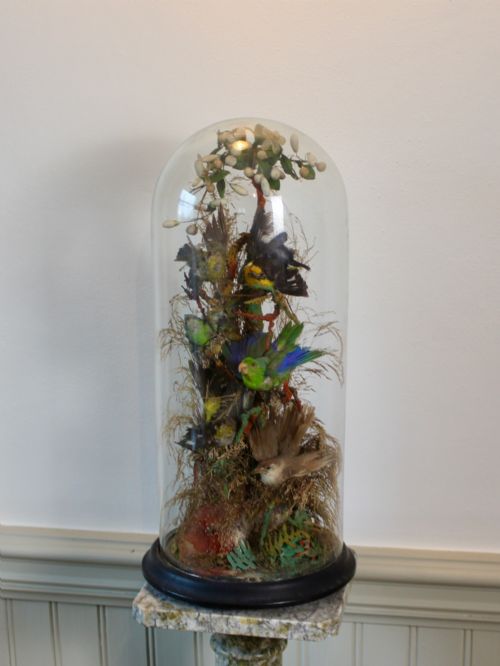


Ebonised Glass Display Case
These ebonised glass display case pieces bring together dark timber and clear protection for precious objects, offering a traditional way to showcase specimens and cabinets alike.

Ebonised Glass Display Case
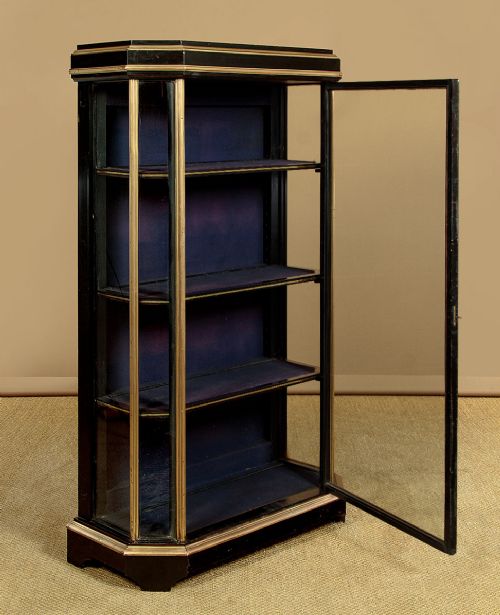
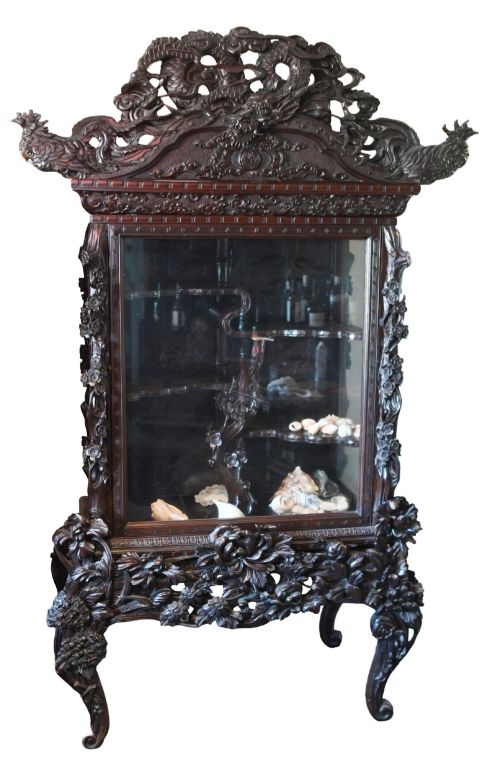
An ebonised glass display case encompasses both tall freestanding furniture and enclosed glass domes designed to protect delicate contents. You will regularly encounter Victorian and Edwardian examples alongside 1920s shop fittings.
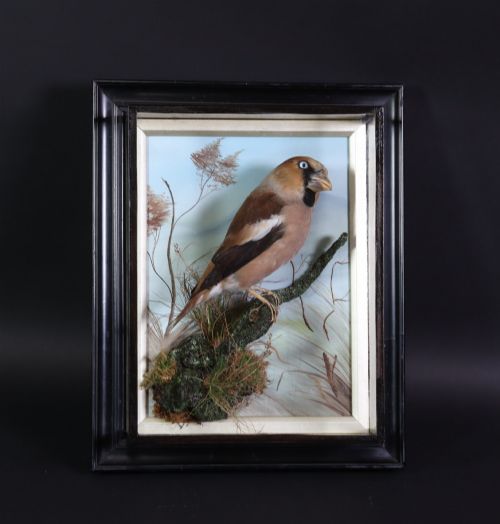
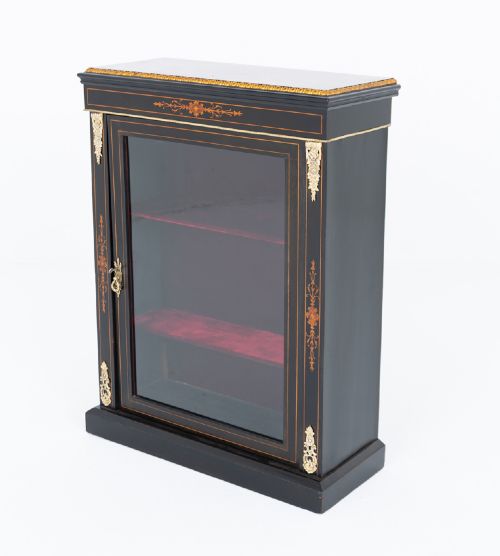
The form spans pier cabinets, countertop cases, and taxidermy domes resting on timber bases. These pieces originated to display natural history specimens, porcelain, and collector items away from dust.
How They Were Made
Darkened timber forms the structural base, often utilising fruitwood, mahogany, or pine treated to resemble ebony. Glass bells or flat glazed panels then enclose the interior.
Brass mounts, ormolu details, and internal velvet or fabric linings complete the construction, securing the delicate contents within.
Ebonised Glass Display Case Retail Price Guide 2026
Typical asking prices for ebonised glass display case among the pieces listed under this phrase on Sellingantiques today, from the lower quarter to the upper quarter. They describe what is for sale here now, not the wider market.
Listings feature Victorian, Edwardian, and 1920s periods using glass, ebonised wood, and brass.
What Varies in Quality
The depth of the ebonisation and the clarity of the blown glass define the upper tier of these pieces. Smooth finishes without surface degradation show superior workshop standards.
Intricate brass inlay, precise joinery, and intact original fabric linings indicate a higher grade of production compared to plain commercial utility cabinets.
James Gardner·J Cooper And Sons·Quincy Showcase Works
The Ebonised Glass Display Case Glossary
- Ebonised
- Timber treated with a dark stain or finish to imitate true ebony wood. This treatment was widely utilised during the nineteenth century.
- Pier cabinet
- A low freestanding display cabinet designed to fit against the wall between windows. These often feature glazed doors and velvet linings.
- Cloche
- A bell-shaped glass cover used to protect specimens or ornaments. It sits directly upon a wooden or fabric-covered base.
- Ormolu
- Gilt bronze mounts applied for decoration. They add metallic contrast to the dark timber surfaces.
Ebonised Glass Display Case: Frequently Asked Questions
What fits inside an ebonised glass display case?
These cases suit small collections, natural history specimens, and delicate ornaments that need protection from dust and handling.
Interior linings of velvet or fabric help anchor and display the objects safely.
How do I date a glass display dome?
Dating relies on the thickness of the glass, the bubble formations within it, and the timber species used for the base. Victorian and Edwardian examples show distinct turning styles on the wood.
Earlier bases often feature heavier mouldings while later commercial cases use simpler frames.
Can I clean the inside of a display dome?
The glass cover lifts away from the timber base to allow careful interior access. Gentle dusting preserves the delicate historic materials inside.
Harsh chemical cleaners should be avoided near the ebonised wood and original fabrics.
Where were countertop cases originally used?
Shop counters during the early twentieth century utilised these glazed enclosures to present small goods to customers. They kept merchandise visible while preventing handling.
Later adaptations brought similar tall tower and countertop designs into domestic collector spaces.