

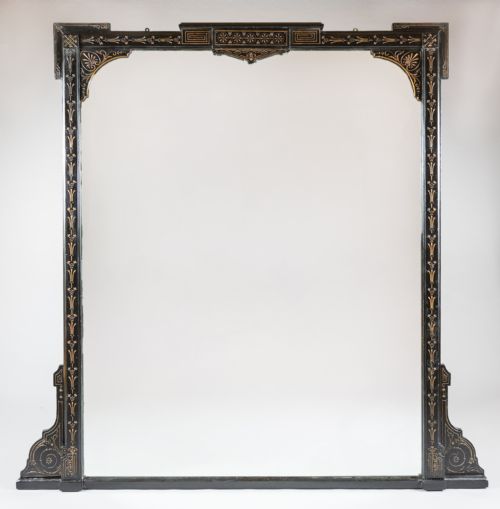
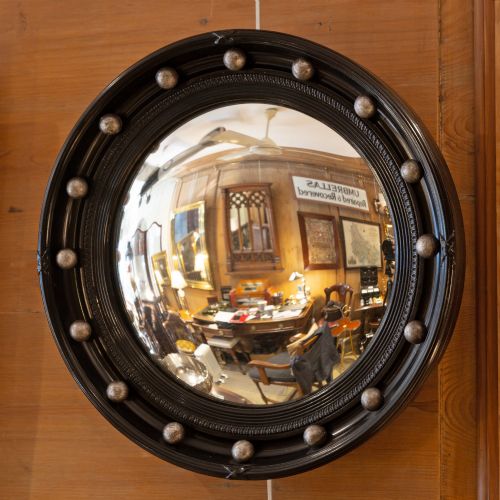
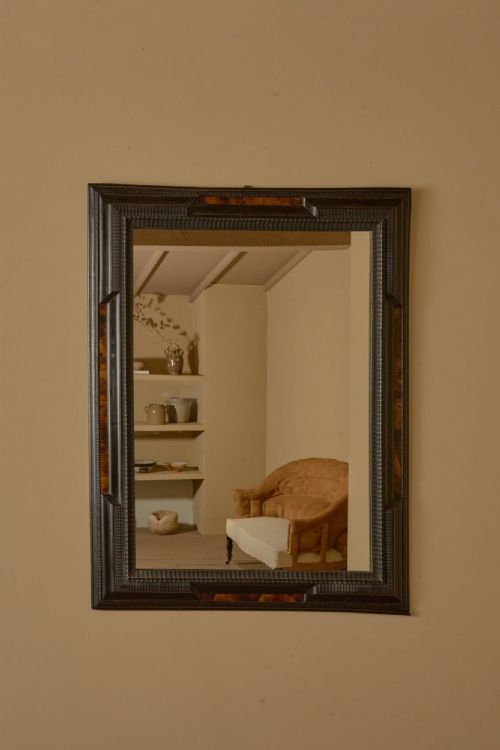
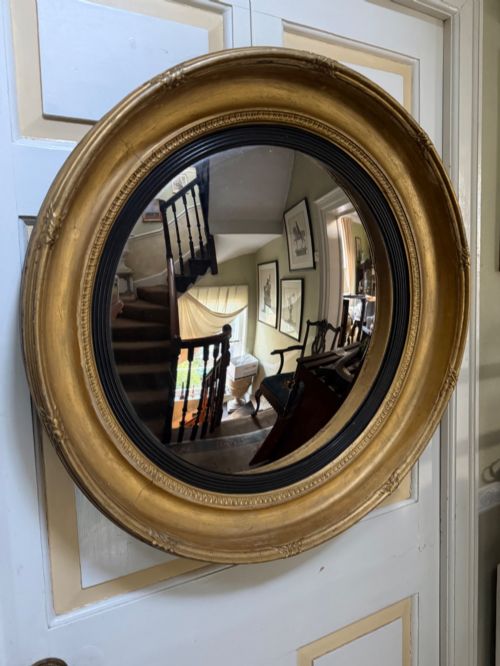



Ebonised Decorative Mirror
An ebonised decorative mirror brings deep, dark contrast and historic character to a room through frames finished to resemble ebony.
Ebonised Decorative Mirror
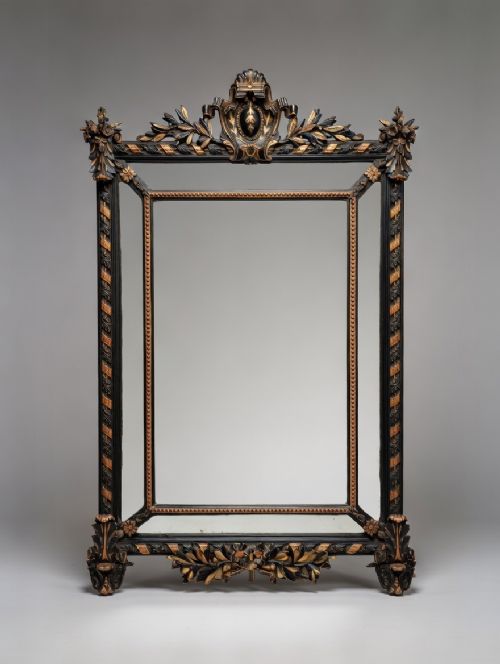
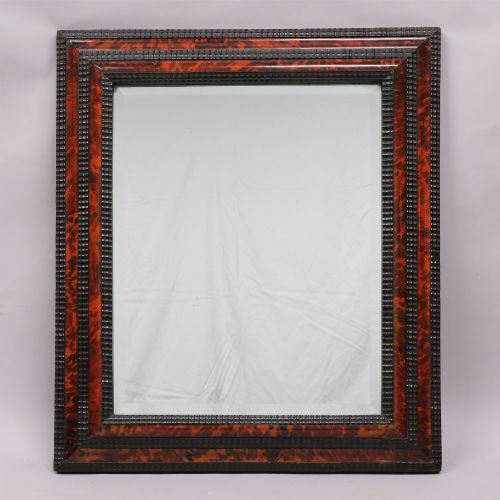
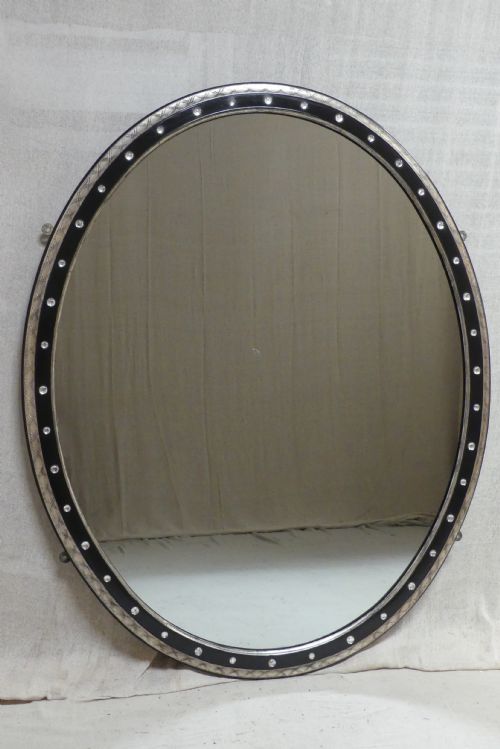
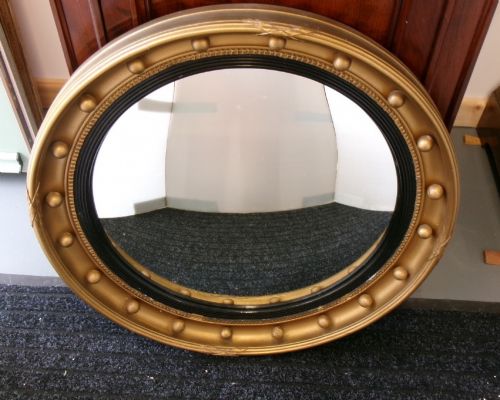
An ebonised decorative mirror draws the eye with a dark, polished frame that often incorporates parcel-gilt details, tortoiseshell effects, or carved ornamentation. You will regularly encounter Victorian and Regency wall mirrors, ornate overmantels, and convex porthole designs within this selection.
The objects span the nineteenth century into the Edwardian period, ranging from large Italian and Russian interpretations to English cheval and pier dressing room pieces. These mirrors function equally well as focal points above mantelpieces or as functional dressing glass in period interiors.
How they were made
Frames are constructed from wood such as walnut or pine, then treated with a dark stain or pigment to achieve the signature ebonised finish. Artisans frequently applied gesso beneath gold leaf or parcel-gilt highlights to create sharp visual contrast against the black timber.
Reflecting surfaces comprise traditional mirror glass, occasionally featuring etched or engraved designs, or formed as curved convex plates designed to capture wide angles of a room.
Ebonised Decorative Mirror Retail Price Guide 2026
Typical asking prices for ebonised decorative mirror among the pieces listed under this phrase on Sellingantiques today, from the lower quarter to the upper quarter. They describe what is for sale here now, not the wider market.
Listings feature pieces spanning the eighteenth, nineteenth, and early twentieth centuries, utilising materials including ebonised wood, giltwood, gesso, and gold leaf.
What varies in quality
Quality rests in the depth of the dark finish and the crispness of any carved gesso or parcel-gilt detailing on the timber frame. Superior examples show careful proportion in decorative elements like cut glass pediments or eagle mounts rather than heavy-handed ornamentation.
The integrity of the original mirror glass and the smoothness of specialist techniques like faux tortoiseshell or ripple moulding further distinguish finer pieces from standard alternatives.
The Ebonised Decorative Mirror Glossary
- Ebonised wood
- Timber stained, painted, or polished to imitate genuine ebony. This dark finish gained immense popularity during the Victorian and Regency periods.
- Parcel-gilt
- A decorative technique where specific raised portions of a frame are partially gilded with gold leaf or silver gilt. It highlights carved details against a contrasting background.
- Convex mirror
- A circular glass plate curved outward to reflect a wide, distorted field of view. Also historically known as a convex porthole or sorcerer's mirror.
- Overmantel mirror
- A wide mirror designed specifically to hang above a fireplace mantelpiece. These often feature ornate frames suited to grand reception rooms.
- Cheval mirror
- A freestanding full-length dressing mirror mounted in a frame that allows the glass to tilt. They appear in tall narrow formats for dressing rooms.
Ebonised Decorative Mirror: Frequently Asked Questions
Where should I hang an ebonised mirror?
These mirrors work exceptionally well above a fireplace mantelpiece, in a hallway, or as a focal point in a dining room.
The dark frame provides a strong visual anchor that contrasts effectively against lighter wall colours.
What is a convex mirror used for?
Convex mirrors were historically placed in drawing rooms to monitor activity across a wide space from a single vantage point.
Their curved glass creates a distinct fish-eye reflection that adds depth and unusual perspective to interior spaces.
How do I date an ebonised mirror?
Dating relies on examining the construction of the timber frame, the style of any carved ornamentation, and the characteristics of the mirror plate.
Pieces in this selection span the nineteenth century, drawing on Regency, Victorian, and Edwardian aesthetic movements.
Are these mirrors fragile?
Like all antique mirrors, they require careful handling, particularly older frames with delicate gesso, parcel-gilt, or ripple mouldings.
Hang them securely using appropriate fixings suited to the substantial weight of nineteenth-century timber and glass.