
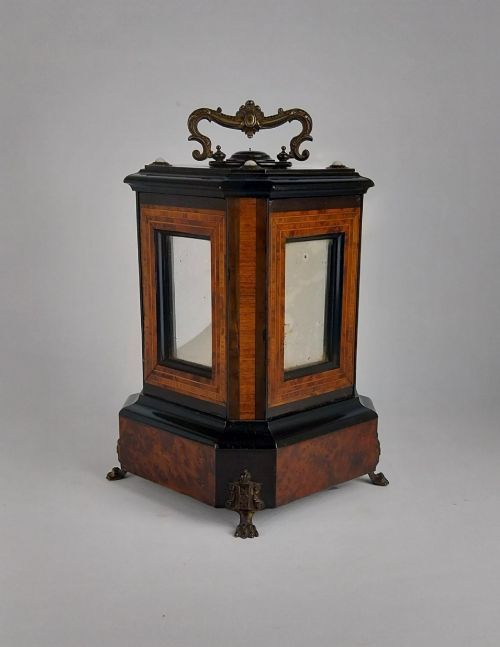


Ebonised Box
An ebonised antique box brings dark, polished theatre to a room, offering a disciplined period container for letters, jewellery or music.
Ebonised Box
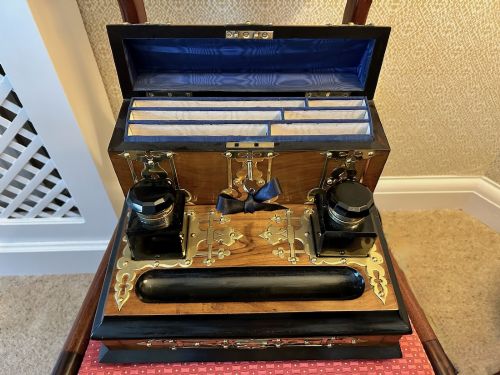
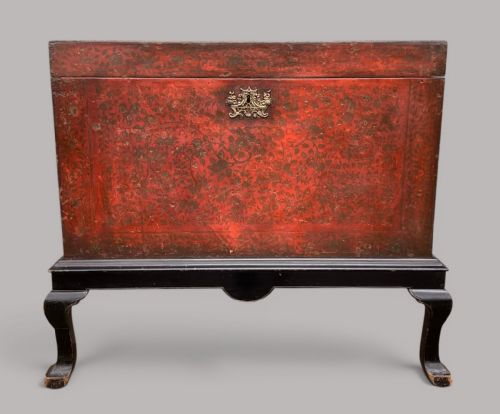
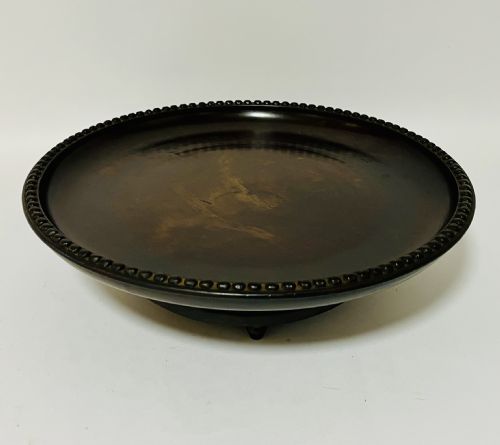
When you search for an ebonised antique box, you encounter items finished to imitate expensive ebony, spanning centuries from the seventeenth through the Victorian era. These pieces take various forms, including table caskets, jewellery receptacles, tea caddies and musical mechanisms designed for domestic amusement.
The Victorian period supplies the highest volume of examples on this page, alongside earlier seventeenth-century Flemish pieces and nineteenth-century French creations. Woods like walnut and pine receive a dark stain or paint treatment to achieve the characteristic dense black surface.
Interior fittings vary widely according to the original purpose of the container, housing velvet pads, compartments for tea canisters, glass bottles or rotating brass pins for musical cylinders. Buyers select these objects for their stark silhouette and historical utility.
How they were made
Craftsmen typically utilised secondary timbers such as walnut, fruitwood or pine, applying a dark pigment or stain to simulate solid ebony. This ebonising process required multiple layers of polish or paint, rubbed down to a smooth, light-reflecting finish.
Many specimens incorporate contrasting inlays of brass, mother-of-pearl, tortoiseshell or exotic hardwoods to break the dark expanse of the surface. Metal mounts, hinges and locks cast in brass or bronze provide structural reinforcement and decorative detail.
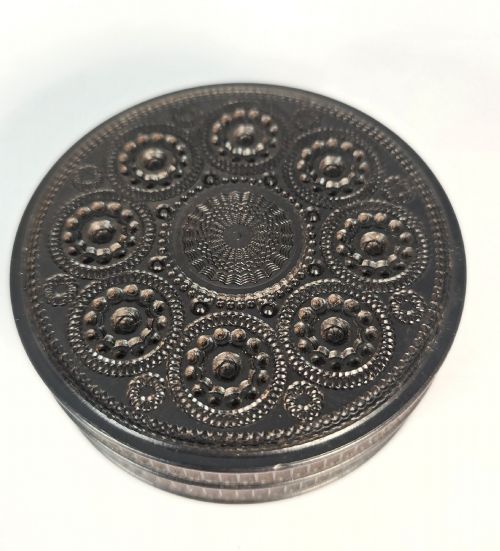
One tiny box once held visitor visiting cards, ready for social calls.
What varies in quality
Quality rests upon the depth of the ebonised finish and the crispness of any applied brass mounts, Boulle marquetry or Pietra Dura panels. Superior pieces display meticulous joinery and retained interior silk linings, mirrors or original key escutcheons.
The complexity of the internal mechanism dictates the standard of musical or specialised storage boxes, where precision engineering matches exterior cabinet work. Finer examples maintain an integrity of materials without modern replacement panels or clumsy restoration.
Langdorff and Fils·Nicole Freres·Jaques
The Ebonised Box Glossary
- Ebonised
- Wood treated with stain, paint or chemical processes to simulate the dark, heavy appearance of natural ebony. This finish gained popularity during various nineteenth-century revival styles.
- Pietra Dura
- An artistic technique using cut and fitted polished coloured stones to create geometric or pictorial designs. These hardstone plaques frequently adorn the lids of nineteenth-century Italian boxes.
- Casket
- A small decorative box or chest used for holding valuables, jewels or documents. They often stand on small feet and include fitted velvet interiors.
- Tea Caddy
- A container designed specifically to store dry tea leaves securely, often featuring internal compartments or canisters. Earlier examples included locking mechanisms to protect expensive tea.
Ebonised Box: Frequently Asked Questions
What is an ebonised antique box used for?
These containers served specific domestic functions in period households, from holding loose leaf tea and writing implements to safeguarding jewellery and playing mechanical tunes. Their robust construction kept valuable items secure from dust and prying eyes.
Today, modern owners repurpose these lidded boxes as striking coffee table accessories or dedicated storage for modern trinkets and letters, blending historical utility with interior display.
How do you clean an ebonised surface?
Maintenance requires gentle dusting with a soft, dry cloth to prevent the accumulation of grit on the polished dark finish. Moisture and harsh chemical cleaners damage the historic polish and underlying stained wood.
Applying a microcrystalline wax occasionally helps protect the exterior sheen without building up heavy residue or darkening the black pigment further.
Are music boxes difficult to maintain?
Cylinder musical movements require careful handling, involving a wind mechanism that releases pins against a tuned metal comb. Keeping the mechanism free from dust and moisture preserves the delicate steel teeth.
Professional intervention becomes necessary if the pins or comb require realignment, as amateur repairs risk destroying the historical sound quality entirely.
How can you tell a Victorian box from an earlier piece?
Seventeenth and eighteenth-century examples often exhibit heavier timber construction, hand-cut dovetails and Flemish baroquely carved or parquetry details. Victorian production frequently utilised machine-sawn elements and mass-produced brass mounts alongside revival styles.
Examining the interior paper linings, screw types and hinge construction offers further clues regarding the manufacturing decade and workshop origin.