



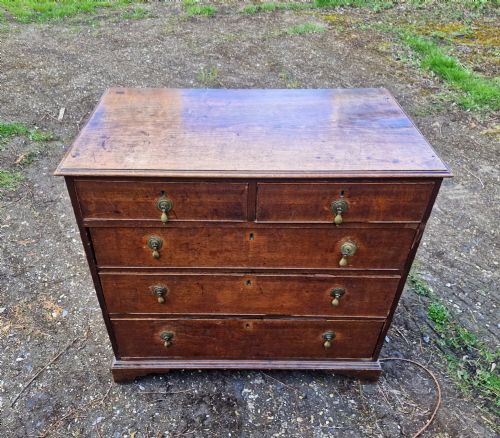


Early Georgian Oak Dresser
An early georgian oak dresser anchors a room with timber grain earned over centuries and practical storage shaped by country life.
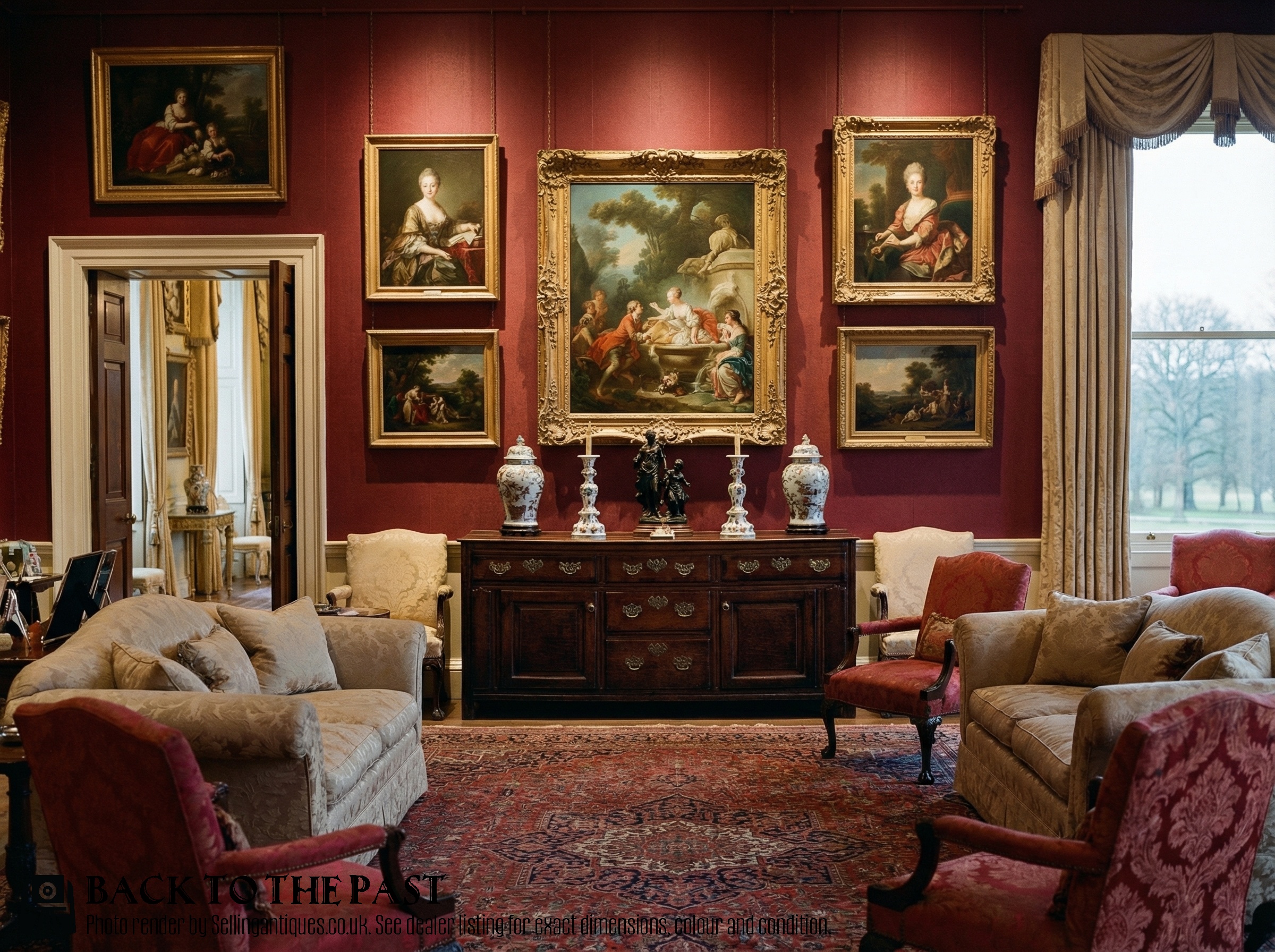
Early Georgian Oak Dresser
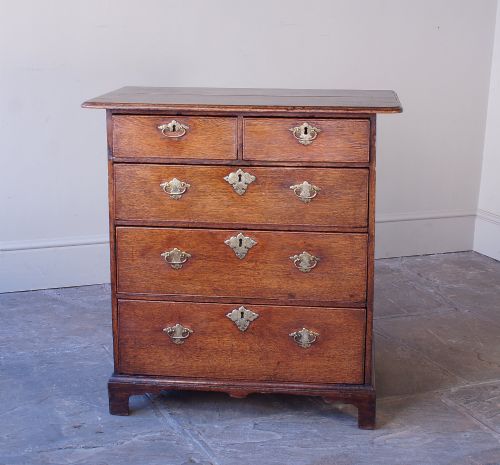
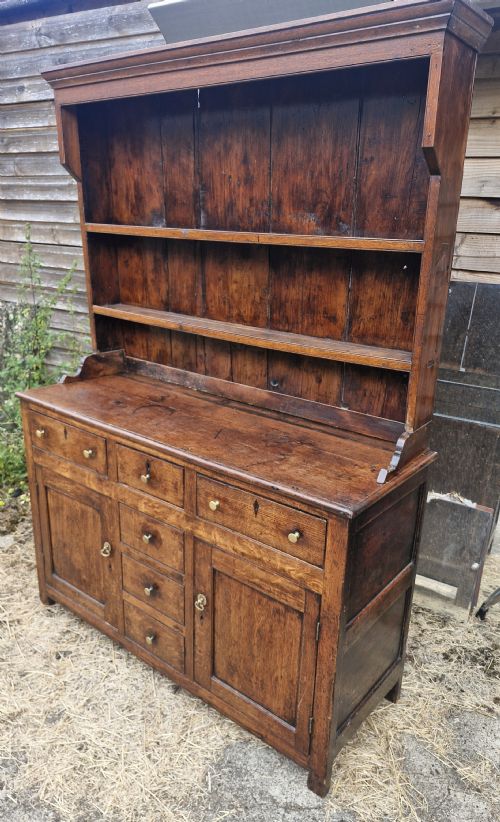
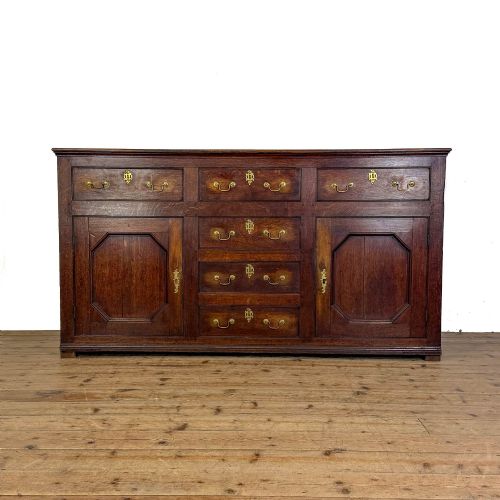
An early georgian oak dresser provides sturdy shelving and drawer space rooted in eighteenth-century vernacular design. These pieces combine closed base cupboards or drawers with open upper plate racks designed for everyday domestic use in English and Welsh country homes.
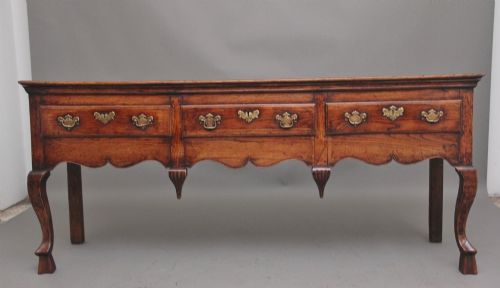
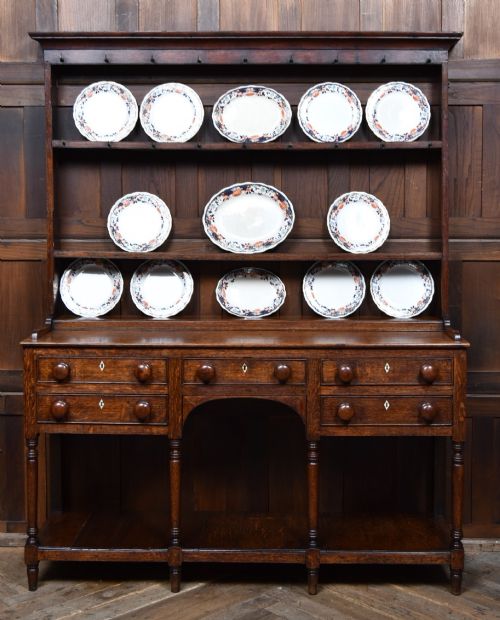
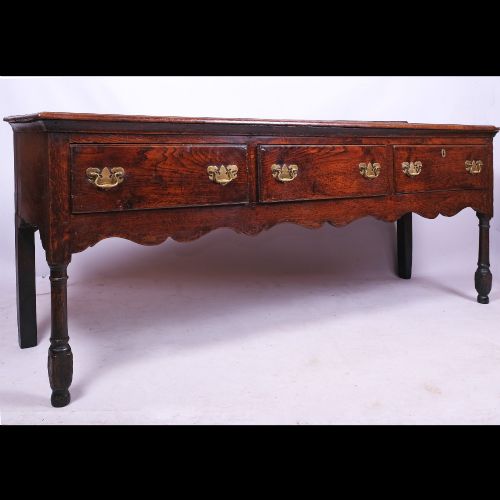
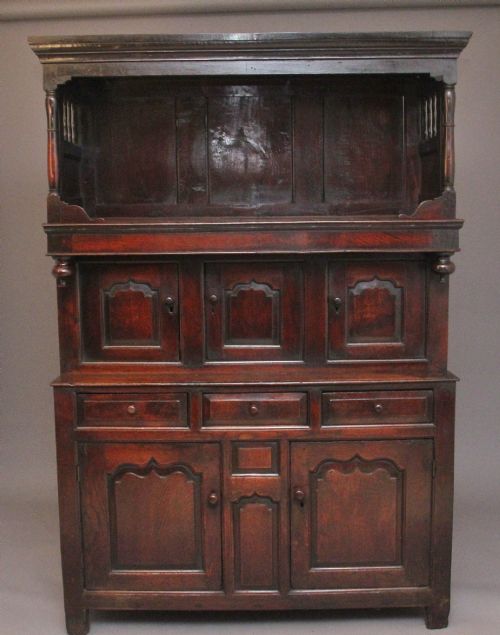
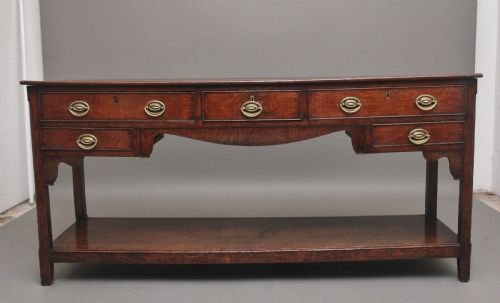
The versions most common here span the eighteenth and early nineteenth centuries, taking forms such as low dresser bases, tridarns, and two-part Welsh dressers. Regional variations bring distinct character through cabriole legs, spice drawers, and potboard lower shelves.
Makers built these items primarily for utility, resulting in honest construction using local hardwoods. Surviving examples offer a direct link to historical domestic routines, serving equally well today for display and storage.
How they were made
Carpenters constructed these items using solid timber boards fixed with traditional joinery methods suited to heavy daily use. Oak forms the principal structure, supplemented occasionally by burr elm for decorative marquetry panels.
Hardware details relied on functional metals like iron for hinges and brass for handles or escutcheons. Internal drawer linings and smaller decorative elements sometimes incorporated bone, whilst timber selection prioritized durability and strong grain patterns.
Listings feature eighteenth and nineteenth-century oak furniture, incorporating brass, iron, and bone elements across styles from Queen Anne to Welsh vernacular.
What varies in quality
Quality in these items rests on the retention of original timber surfaces, proportional harmony, and regional styling. Pieces retaining untouched boards and period hardware command greater interest than heavily restored alternatives.
Proportion and scale dictate the visual weight of the furniture, with smaller dimensions or integrated potboards representing particular stylistic achievements. The integration of secondary timbers like burr elm panels similarly distinguishes finer examples from standard utility pieces.
The Early Georgian Oak Dresser Glossary
- Dresser base
- The lower section of a kitchen or dining storage unit, featuring drawers and cupboards without the upper plate rack.
- Tridarn
- A large three-tier Welsh storage piece incorporating enclosed cupboards and display sections.
- Potboard
- An open lower shelf fitted between the legs of a dresser, historically used for storing heavy pots and pans.
- Plate rack
- The open shelving superstructure mounted above a dresser base to display ceramic plates and platters.
- Cabriole leg
- A furniture leg that curves outward at the knee and tapers inward toward the foot, typical of Queen Anne and early Georgian styles.
Early Georgian Oak Dresser: Frequently Asked Questions
What is the difference between a dresser base and a full dresser?
A dresser base consists solely of the lower section containing drawers and cupboards, designed to stand alone as a sideboard or serving table.
A full dresser includes the upper plate rack attached to the back or wall, intended for displaying ceramics and kitchenware.
Where were most of these dressers made?
Many surviving examples originate from rural workshops across Wales and the English countryside, reflecting local vernacular traditions.
Regional carpenters utilised readily available timber like oak to build sturdy furniture tailored to rural domestic needs.
How do I care for antique oak furniture?
Keep wooden furniture away from direct heat sources and dramatic humidity changes to prevent the timber from splitting or warping.
Apply traditional beeswax occasionally and buff gently with a soft cloth to maintain the natural finish without sealing the grain.
Are plate racks original to the bases?
Many upper plate racks were separated from their original bases over centuries of use, leading to matched or associated pairings.
Examining the timber ageing, construction methods, and fixing marks helps determine whether a base and rack share a common origin.