






Early 18th Century Silver
Early 18th century silver brings the refined craft of the Queen Anne and early Georgian reigns directly into modern hands.
Early 18th Century Silver
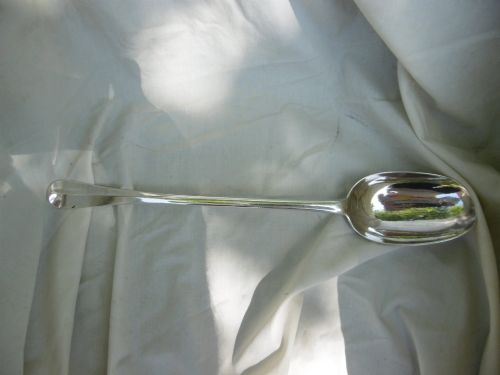
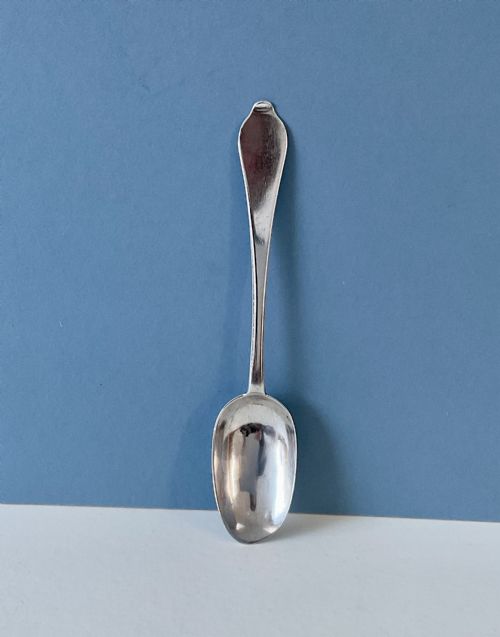
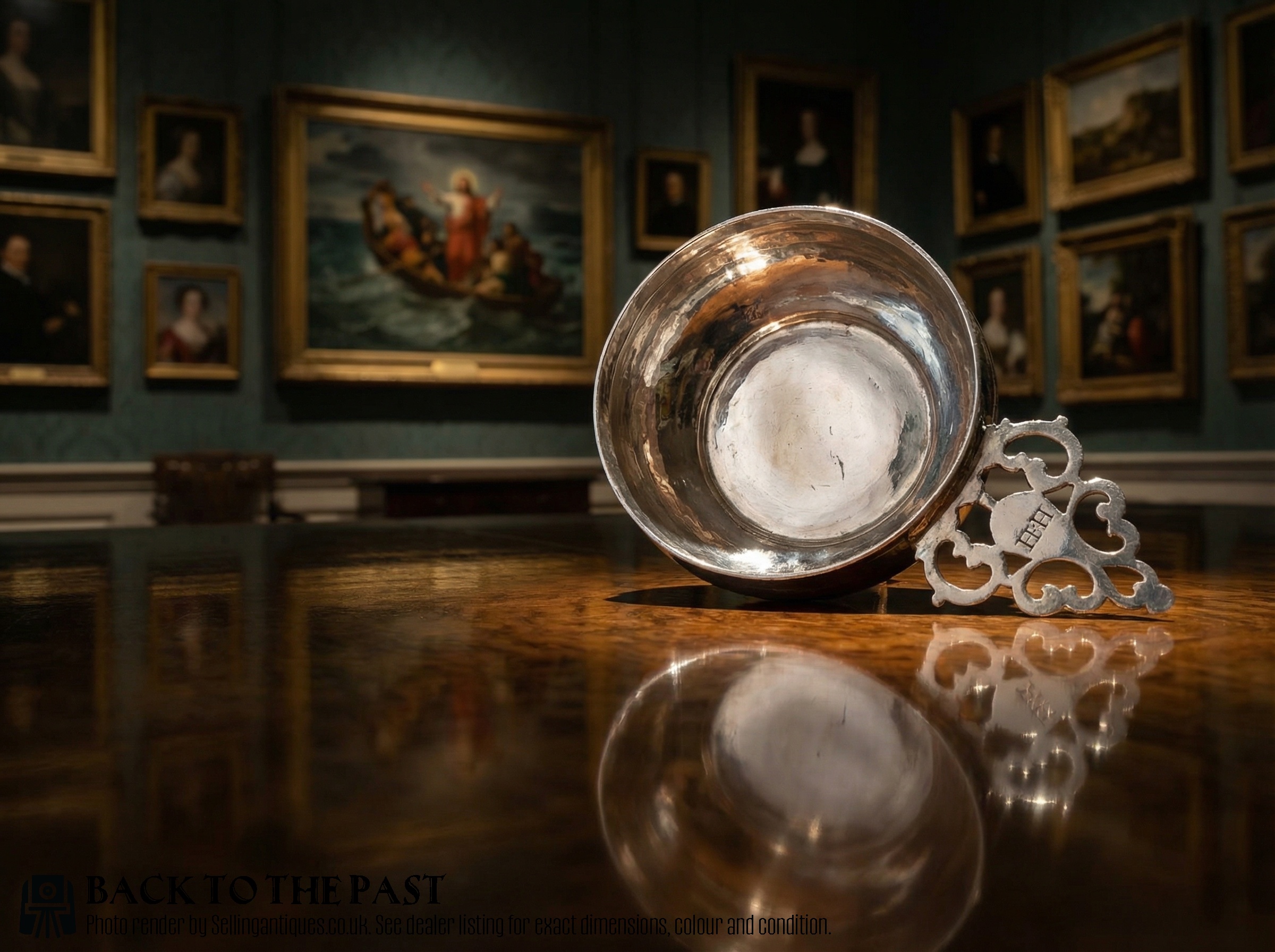
Early 18th century silver spans the reigns of Queen Anne, George I, and George II, capturing a transformative era of British metalwork. Flatware forms like dognose spoons and rat-tail tablespoons appear frequently alongside hollowware such as casters, tankards, and marrow scoops. These objects reflect the domestic habits of the period, from formal dining to tea service.
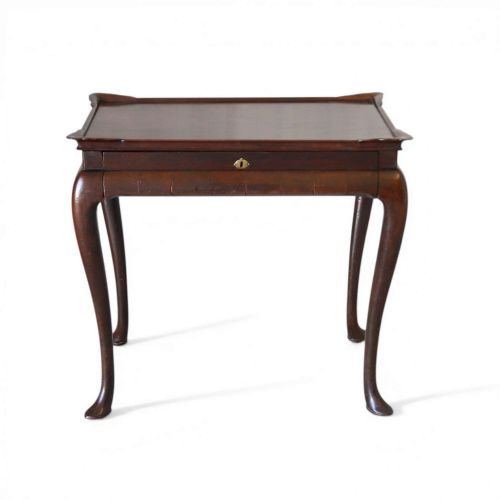
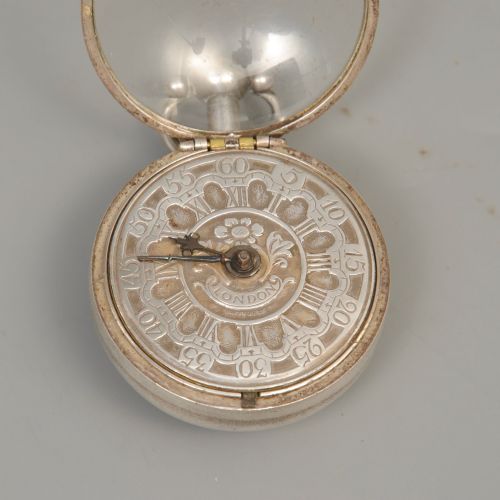
Beyond domestic silver, the search phrase encompasses related material culture from the same decades. Items include pocket watches, flintlock pistols with silver mounts, snuff boxes, and wooden furniture designed to display silver services. Provincial pieces and works by Huguenot refugees fleeing persecution add regional and continental diversity to the selection.
Materials and construction
Silversmiths of this period worked primarily in sterling or the higher-purity Britannia standard silver, shaping metal through hammering, raising, and casting. Handles and vessels often display crisp engraving, hand-punched maker marks, and applied cast details like octagonal rims or rat-tail reinforcements on spoons.
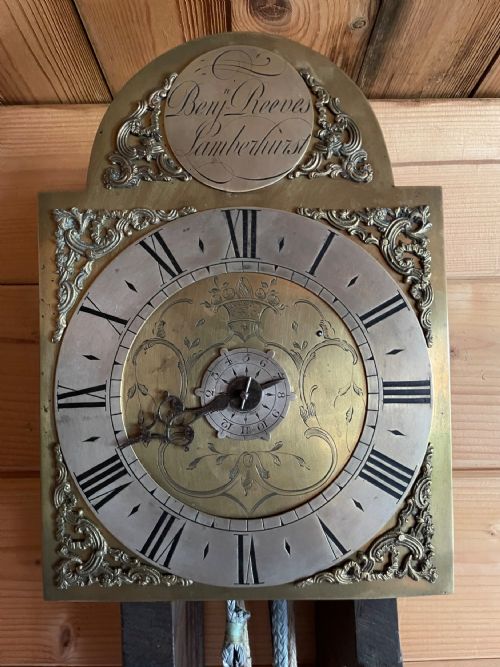
Composite pieces combine silver with organic or ferrous materials, such as walnut stocks on flintlock pistols inlaid with silver wire, or cowrie shells set into spoon bowls. Subsidiary materials like steel, brass, and wood appear in clocks, firearms, and furniture that incorporate silver dials, mounts, or trays.
Several pieces combine precious metal with unexpected organic materials, including a cowrie shell teaspoon and a snuff box carved from Boscobel Oak.
Distinctions in quality
Quality rests heavily on the clarity and completeness of hallmarks, which identify the maker, town, and assay date. Crispness in engraved crests, armorials, and decorative chasing separates superior objects from those worn down by generations of cleaning. Well-preserved original surfaces without excessive polishing retain the subtle tool marks valued by experienced buyers.
The reputation of the maker also dictates distinction, with pieces by noted Huguenot craftsmen or provincial makers commanding particular attention. Structural integrity, such as original hinges on boxes or untouched flintlock mechanisms on pistols, preserves the integrity of the piece.
Andrew Archer·Simon Pantin·John Smith·James Tait·Samuel Blatchford·R. Willoughby·Lawrence Coles·J Ladyman·Thomas Bamford·Jeremiah Lee
The Early 18th Century Silver Glossary
- Britannia standard
- A stricter statutory purity standard for silver introduced in England, containing 95.84 percent pure silver. This standard was mandatory for all silver vessels between 1697 and 1720.
- Dognose spoon
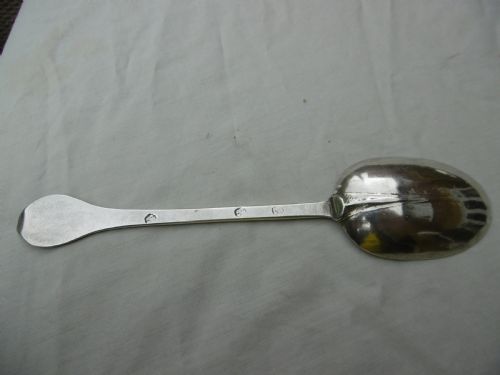
- An early form of English spoon featuring a broad, flat stem with a notched terminal pointing upward. This style immediately preceded the Hanoverian pattern.
- Rat-tail
- A strengthening dorsal ridge running down the back of a spoon bowl from the handle. This feature provides structural reinforcement during use.
- Sugar caster
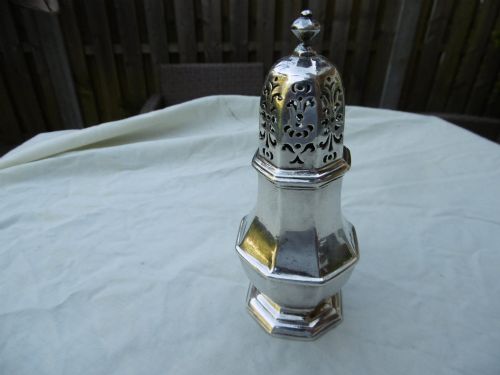
- A standing vessel with a pierced dome top used for sprinkling sugar over food. These pieces frequently exhibit octagonal or baluster forms characteristic of the period.
- Marrow scoop
- A narrow, double-ended silver utensil designed for extracting marrow from bones during formal dining. One end is trough-shaped while the other forms a smaller spoon.
Early 18th Century Silver: Frequently Asked Questions
What is Britannia standard silver?
Britannia standard silver is a higher purity alloy containing 95.84 percent pure silver, introduced by Parliament to curb the melting down of coinage. It was compulsory for English silversmiths from 1697 until 1720.
Objects made during this window often bear distinct hallmarks including the figure of Britannia and the lion's head erased instead of the standard leopard's head.
Are provincial marks different from London marks?
Provincial marks often include local town culls and maker initials that differ from the standard London leopard's head and lion passants. Regional workshops in places like East Anglia or Plymouth produced pieces with unique local character.
These provincial items are studied closely by collectors for their rarity outside the capital.
How should I care for early silver?
Early silver requires gentle cleaning with non-abrasive cloths and specialised silver polishes designed for antiques. Avoid harsh chemical dips that strip away the desirable darker patination in recessed areas.
Store pieces in stable environments away from excessive humidity to preserve both the metal and any accompanying organic materials like wood or shell.