






English Queen Anne Silver
English queen anne silver brings the restrained forms of the early eighteenth century to the table and the desk, prized for the particular brilliance of Britannia standard metal.
English Queen Anne Silver
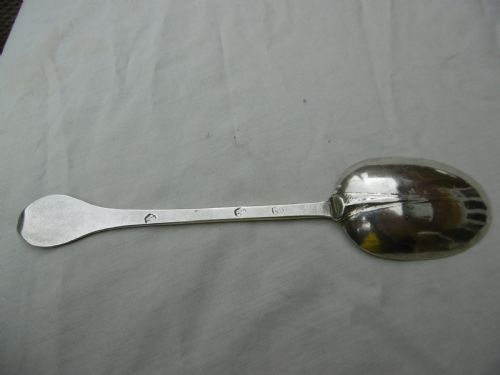
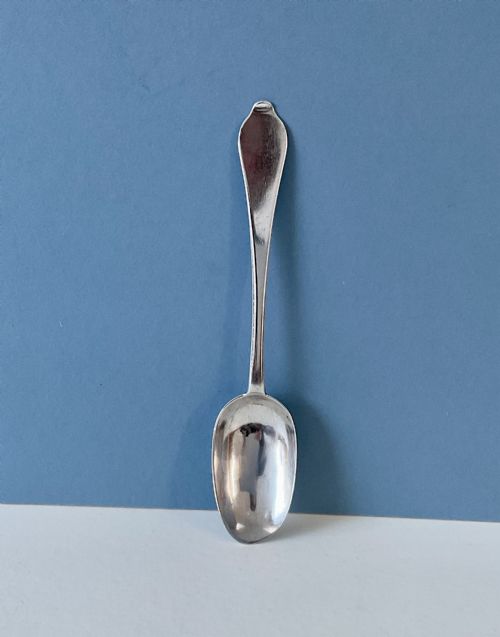
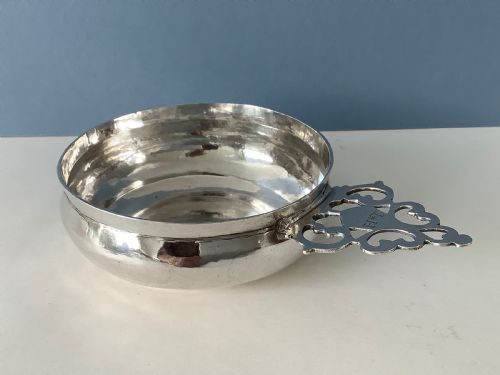
When you search for english queen anne silver, you enter a sphere of domestic and personal plate shaped during the reigns of William and Mary, Anne, and the early Georges. The pieces most often met on this page include flatware such as dognose spoons, alongside hollowware like castors, bleeding bowls, and porringers.
Objects span both the seventeenth and eighteenth centuries, reflecting the British Baroque aesthetic that preceded the full development of Rococo. Alongside silver tableware, related items in walnut, steel, and oil on canvas appear, pointing to the broader material culture of the period.
Materials and Method
Makers utilised high-purity silver, frequently working in Britannia standard silver which contained a higher proportion of fine metal than standard sterling to discourage the melting of coin. Smiths shaped these vessels and utensils by hand, often incorporating rattail attachments on spoons for structural strength.
Decoration relies on restraint rather than excess, employing engraved crests, armorials, and cast details rather than heavy embossing. Where ancillary materials are present, such as steel in firearms or walnut in pistol grips, construction follows traditional joinery and metal inlay techniques.
English Queen Anne Silver Retail Price Guide 2026
Typical asking prices for english queen anne silver among the pieces listed under this phrase on Sellingantiques today, from the lower quarter to the upper quarter. They describe what is for sale here now, not the wider market.
Listings feature silver, sterling silver, steel, walnut, Britannia silver, oil on canvas, and gilded wood across the eighteenth and seventeenth centuries.
Distinctions in Quality
The highest grade of work displays crispness in hallmarks, clear engraving of crests and armorials, and minimal wear to the original bowl shapes and rattails. Finer examples retain their intended gauge of metal, avoiding excessive thinning from polishing over centuries.
The reputation of the maker and the legibility of punch marks heavily influence the standing of a piece. Pieces bearing identifiable provincial or London maker marks command greater attention than unmarked or heavily restored equivalents.
Benjamin Watts·Lawrence Coles·J Ladyman·Thomas Pritchard·George Unite
The English Queen Anne Silver Glossary
- Britannia standard
- A compulsory higher grade of silver introduced in England to prevent the melting of coinage for plate, containing a fineness of ninety-five point eight percent. It is softer than sterling silver.
- Dognose spoon
- An early eighteenth-century flatware form featuring a rounded, downturned terminal that superseded the earlier trifid style. It often includes a central rattail down the back of the bowl.
- Castor
- A small perforated vessel used for sprinkling sugar or spices over food or drinks. Sets of three were commonly made together for different seasonings.
- Porringer
- A small two-handled bowl used for broths and porridges, often produced in silver with embossed or plain sides. Examples from this era frequently feature coin sets or heraldic engraving.
- Bleeding bowl
- A shallow cylindrical vessel with a single flat handle, used in medical bloodletting. Graduated interior markings are sometimes present to measure fluid.
English Queen Anne Silver: Frequently Asked Questions
What is Britannia standard silver?
Britannia standard silver is a stricter alloy containing ninety-five point eight percent pure silver, introduced by law to protect coinage from being melted down into plate. It feels slightly softer in the hand than standard sterling silver.
You will find this higher purity hallmark frequently on pieces produced during the early eighteenth century, marking out items of a specific compositional standard.
Were these items used daily?
Many silver items from this era, such as spoons, castors, and porringers, served active functions in dining and household administration. Wealthy households relied on them for everyday meals and social hospitality.
Over generations, regular use and subsequent polishing naturally softened sharp edges and engraved details, recording the history of each object.
How do I care for antique silver?
Antique silver requires minimal intervention, avoiding harsh abrasive dips that strip the natural patina accumulated over centuries. Soft cloths and gentle, specialised silver cleaning agents preserve the surface.
Store pieces in stable environments away from high humidity to prevent accelerated tarnishing and protect any integrated materials like wood or steel.