



Queen Anne Silver Cutlery
Queen Anne silver cutlery offers exceptional early eighteenth-century craftsmanship, giving your dining table genuine period character through rare spoons and forks.
Queen Anne Silver Cutlery
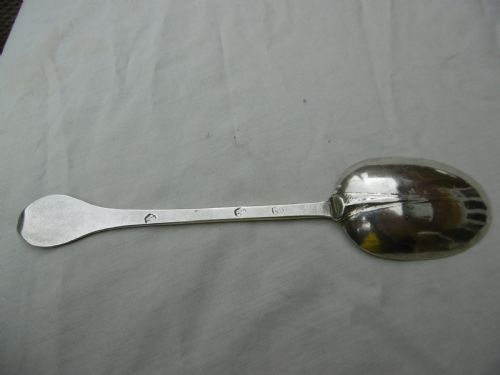
When you search for queen anne silver cutlery, you are looking at items from the early eighteenth century alongside later twentieth-century revivals. The authentic pieces on this page comprise spoons, marrow spoons, table forks, and canteens dating from the 1700s.
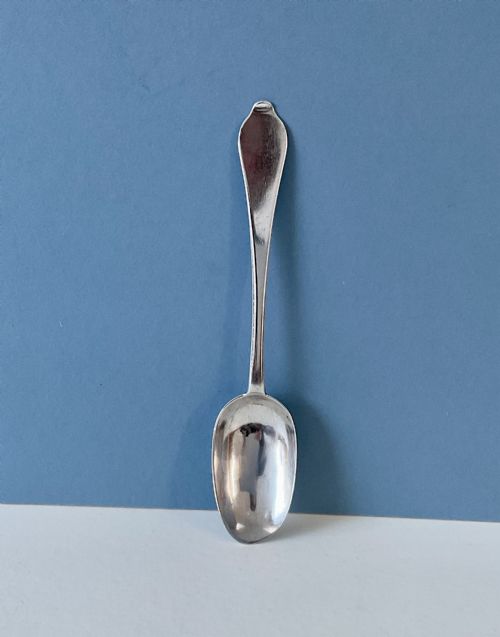
You will most frequently encounter eighteenth-century spoons shaped in the distinctive Dognose pattern alongside complete canteens produced during the 1920 revival. Provincial makers and regional British guilds are well represented among these early surviving forms.
The collection balances genuine period silverware with later fitted canteens incorporating steel and silver plate. Each object reflects the domestic dining habits and table settings of its respective period of manufacture.
How they were made
The genuine eighteenth-century items rely on sterling silver and higher purity Britannia silver, shaped by hand in provincial and metropolitan workshops. Cutlery from the later revival utilises silver plate and steel housed within fitted wooden canteens.
Early makers hammered the metal to achieve the characteristic weight and balance of Dognose spoons and table forks. Engraved armorial crests and lace-back details were then applied manually by skilled silversmiths.
Queen Anne Silver Cutlery Retail Price Guide 2026
Typical asking prices for queen anne silver cutlery among the pieces listed under this phrase on Sellingantiques today, from the lower quarter to the upper quarter. They describe what is for sale here now, not the wider market.
Materials recorded across the inventory include sterling silver, silver plate, Britannia silver, steel, felt, mahogany, and burr walnut.
What varies in quality
The clarity and legibility of maker marks and hallmarks dictate much of the distinction between individual pieces. Crisp armorial crests and intact lace-back detailing demonstrate superior workshop standards from the early eighteenth century.
Proportional wear to the bowls of spoons and the tines of table forks indicates the extent of past usage. Examples retaining their original weight and uncompromised structural form stand distinctly above heavily polished or altered pieces.
Benjamin Watts·John Smith·John Pike of Plymouth·Richard Rae·J Ladyman
The Queen Anne Silver Cutlery Glossary
- Britannia Silver
- A standard of silver stricter than sterling, introduced by Act of Parliament in the early eighteenth century. It contains a higher proportion of pure silver by weight.
- Dognose Spoon
- A popular early eighteenth-century spoon style featuring a rounded terminal turning upward, also known as the transitional spoon. It serves as the direct predecessor to the Hanoverian pattern.
- Marrow Spoon
- A specialised dining implement featuring a narrow trough on each end for extracting marrow from bones. These dual-ended utensils are characteristic of early Georgian table settings.
- Lace-back
- A decorative technique involving intricate scrollwork and foliage engraved on the reverse of the spoon bowl. This ornamental flourish appears on select provincial tablespoons from the period.
- Armorial Crest
- A heraldic design engraved onto the terminal or reverse of silver cutlery to denote family lineage. These crests provide valuable provenance for early pieces.
Queen Anne Silver Cutlery: Frequently Asked Questions
What is a Dognose spoon?
A Dognose spoon is an early eighteenth-century flatware style characterised by a notched, upturned terminal. This form bridges the gap between the Puritan spoon and the later Hanoverian pattern.
You will frequently encounter this specific silhouette among authentic pieces from the 1700s on this page.
How do I spot a genuine period piece?
Genuine eighteenth-century pieces display crisp hallmarks, maker stamps, and often contemporary engraved armorial or stag crests. The physical weight and hand-wrought surface irregularities also help confirm the age.
Items from the later revival period will bear twentieth-century hallmarks or construction methods using silver plate and steel.
What is Britannia silver?
Britannia silver is a higher purity alloy containing ninety-five point eight percent pure silver, mandated by law for a period following sixteen ninety-six. This standard was enforced to prevent the melting down of coinage for silverware.
Objects bearing this standard display specific hallmarks including the figure of Britannia and the lion's head erased.
How were marrow spoons used?
Marrow spoons were utilised during formal eighteenth-century dinners to extract edible marrow from animal bones. The narrow, trough-like bowls at each end were specifically proportioned for this culinary task.
These specialised implements form a desirable subcategory of early dining silver.