





Early 18th Century Glass
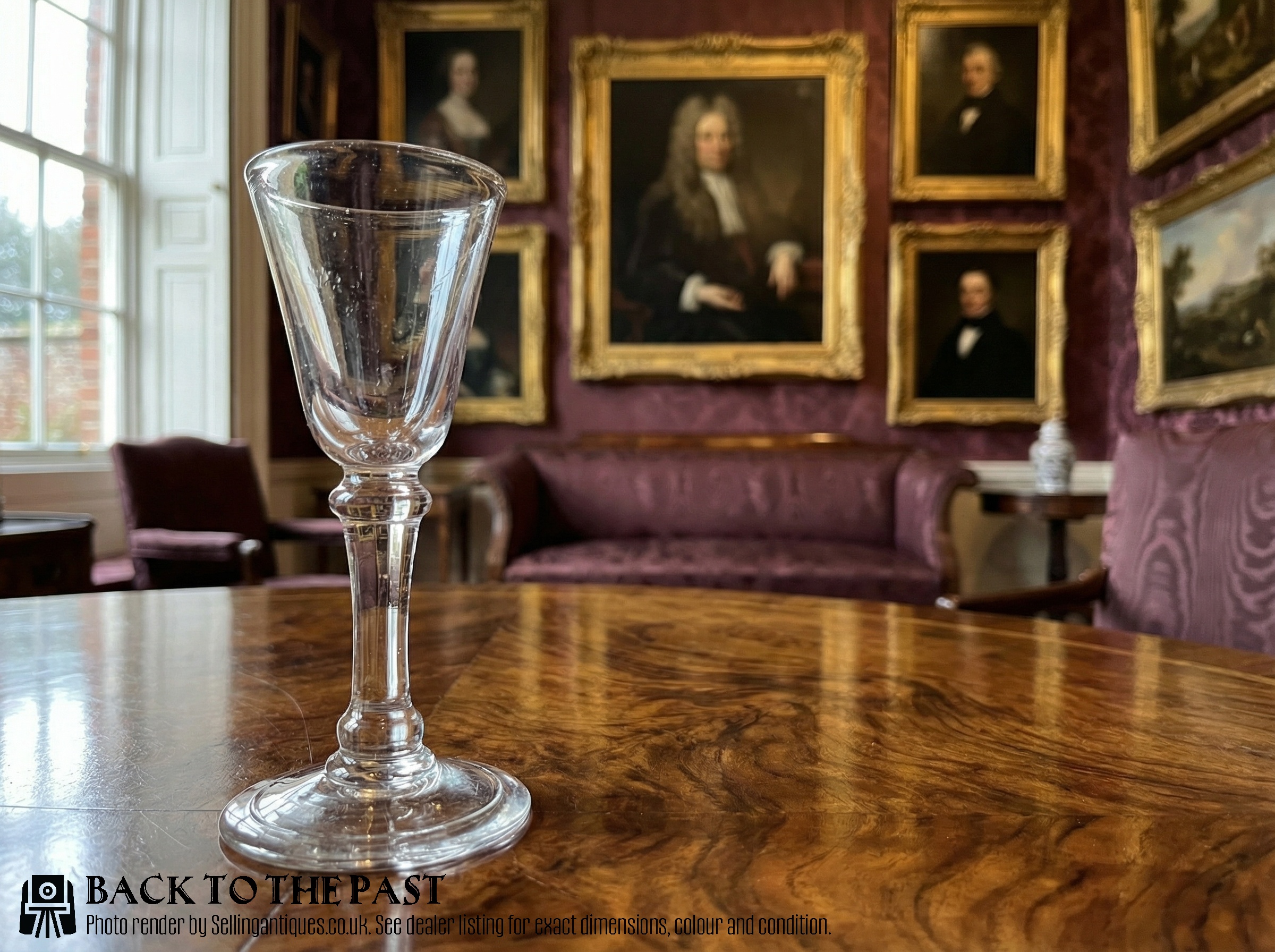
Early 18th century glass brings tactile weight, deep metal density and singular bubbles to a room.
Early 18th Century Glass
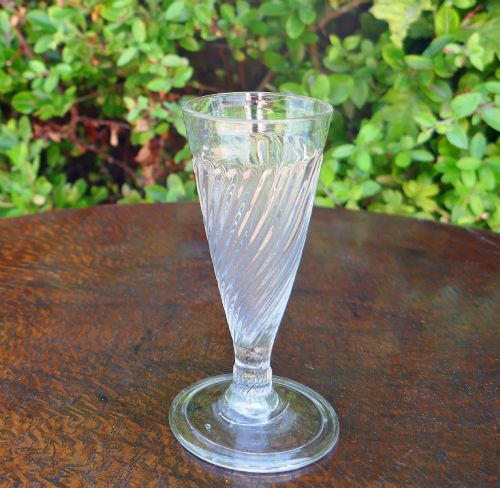
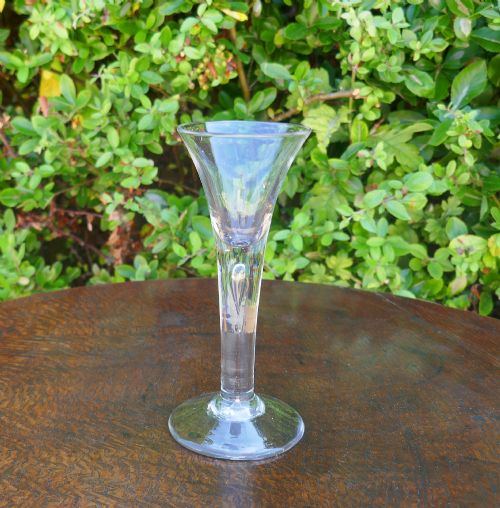
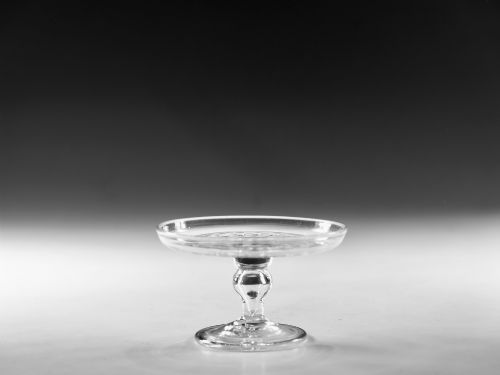
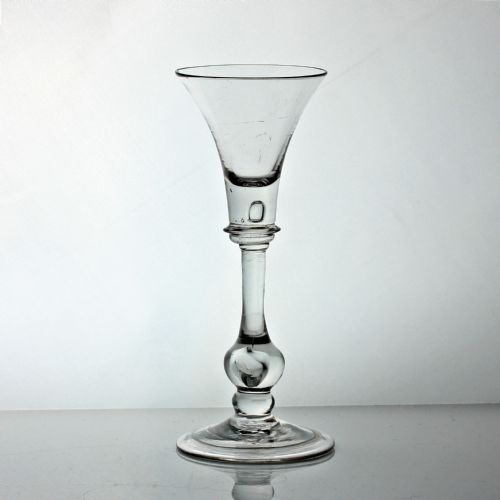
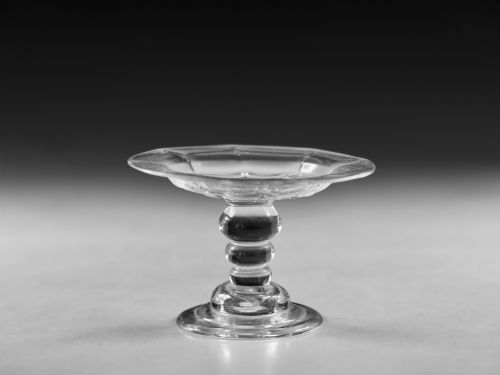
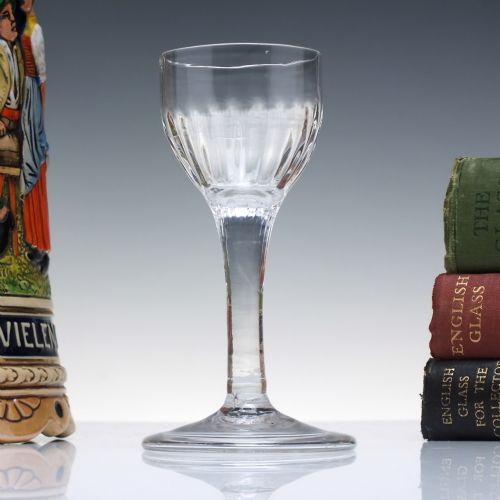
When searching for early 18th century glass, you encounter functional drinking vessels alongside decorative mirrors and wall furniture framed in walnut, giltwood and brass. The glassware on this page spans heavy baluster wine glasses, dram glasses, sweetmeat plates, onion wine bottles and toastmaster glasses from the Georgian, Queen Anne and George I periods.
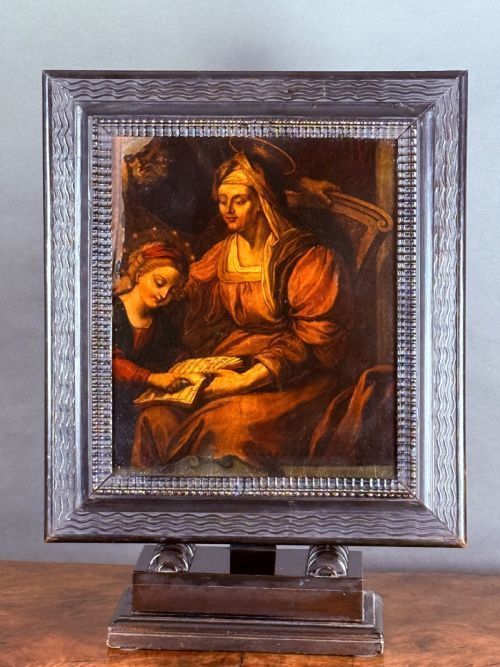
Drinking vessels dominate the selection, featuring thick lead glass and flint glass configured with baluster, balustroid or pedestal stems. Alongside vessels, mirrors utilising original mercury plates and reverse glass paintings reflect the broader decorative arts output of the early 1700s.
How early 18th century glass was made
The material foundation relies heavily on lead glass and flint glass, which introduced higher density, refractive brilliance and weight compared to continental soda glass. Molten metal was gathered, blown and shaped by hand, often incorporating trapped air bubbles intentionally or accidentally within stems and bases.
Forming techniques included ribbing, wrythen twisting, nut moulding and the application of folded feet for stability. Associated pieces in wood, such as walnut dressing mirrors and barometer frames, utilised traditional cabinetmaking alongside gesso and giltwood finishes.
Early 18th Century Glass Retail Price Guide 2026
Typical asking prices for early 18th century glass among the pieces listed under this phrase on Sellingantiques today, from the lower quarter to the upper quarter. They describe what is for sale here now, not the wider market.
Listings combine drinking vessels in lead glass with walnut and giltwood mirrors spanning the reigns of Queen Anne and George II.
What varies in quality
Quality rests upon the purity of the metal and the dexterity displayed in forming stems, bowls and feet. Heavier lead glass with strong optical clarity and well- proportioned baluster nodes represents superior physical execution.
In related mirror and furniture pieces, the retention of the original mercury plate or glass plate alongside untouched timber surfaces distinguishes the finest examples. Secondary elements such as basal bubbles, folded feet and crisp wheel engraving elevate individual drinking vessels.
Luisetti of London
The Early 18th Century Glass Glossary
- Lead glass
- Heavy, high-refractive glass developed in England utilising lead oxide. It provides the dense substance characteristic of early Georgian drinking vessels.
- Baluster
- A thick, swelling stem form resembling an architectural pillar. This shape defined heavy wine glasses and goblets produced in the early 1700s.
- Folded foot
- A glass base where the rim is turned under to create a thickened, rounded edge. This technique added physical weight and structural strength to wine glasses and patch stands.
- Mercury plate
- A mirror glass sheet backed with a tin-mercury amalgam. It produces a warm, mottled reflection distinct from modern aluminum backing.
- Wrythen
- A spiral or twisted pattern moulded into the body or stem of glassware. It creates subtle optical movement across the surface of ale and wine glasses.
Early 18th Century Glass: Frequently Asked Questions
How do I identify early 18th century glass?
Look for heavy lead metal content, deep pontil marks on the underside, and distinct stem forms such as balusters or balustroids. These physical traits distinguish early English glass from later, lighter soda glass productions.
Examine the foot for a folded rim and check the bowl for tool marks or accidental air bubbles trapped within the metal during the blowing process.
Why do these glasses feel so heavy?
The weight comes from the high proportion of lead oxide added to the batch during melting. This British formula increased density and brilliance while changing the balance of the vessel.
Drinking glasses from this era were engineered to withstand robust handling in taverns and dining rooms.
Can I use antique glassware for drinks?
While early 18th century glasses were created for consumption, their age and irreplaceable nature mean most collectors display them rather than use them. Hand washing in warm water is essential if handled.
Thermal shock and modern dishwashers will damage the fragile lead metal and historical surfaces.