




Pattern Moulded Glass
Pattern moulded glass pieces combine optical texture and sculptural form, offering collectors tangible examples of historical glassmaking skill.
Pattern Moulded Glass
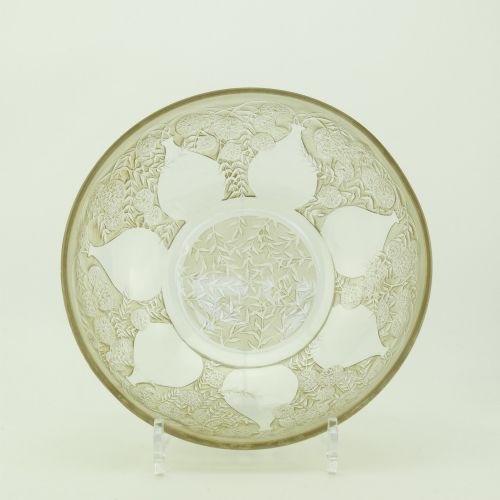
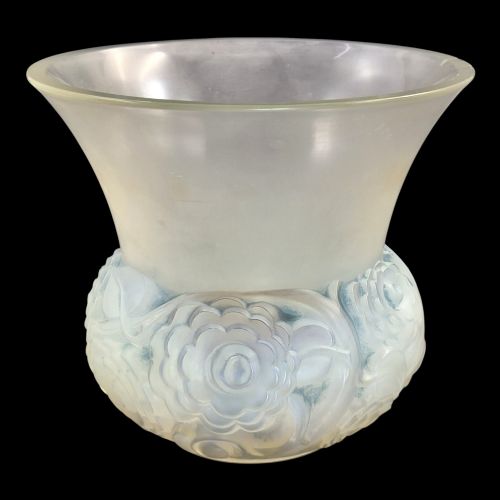
When you search for pattern moulded glass, you encounter items ranging from Georgian wine glasses to Art Deco opalescent bowls and vases. The selection leans heavily towards twentieth-century French production, particularly pieces associated with René Lalique, alongside eighteenth-century English and continental examples.
Forms vary from utilitarian flasks and cigarette holders to decorative plates, salvers, and large ornamental vessels. These objects display distinct surface decoration imparted during the initial forming stages rather than through later cutting.
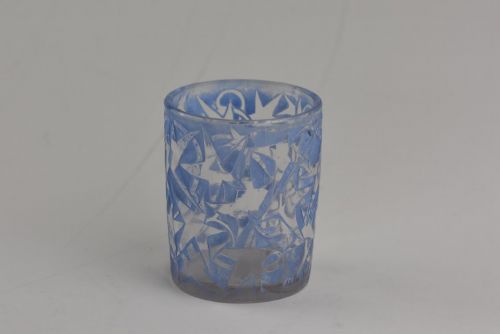
The material composition spans clear, frosted, opalescent, and opaque glass, sometimes enhanced with blue staining or enamel. Dating stretches from the seventeen hundreds through the Victorian era and into the nineteen twenties and thirties.
How they were made
Makers produced pattern moulded glass by blowing molten metal into a pre-patterned partial or full-size dip mould to impress ribs, flutes, or quilted designs onto the surface. Subsequent expansion and inflation of the gather developed the pattern further, creating harmonious optical effects within the vessel wall.
Twentieth-century works utilised press-moulding and sophisticated cooling techniques to achieve contrasting frosted and clear finishes, while earlier pieces relied on free-blowing into ribbed or quilted moulds. Master craftsmen manipulated opacity and colour through chemical additions to the glass batch, resulting in the milky opalescence seen in many twentieth-century items.
Pattern Moulded Glass Retail Price Guide 2026
Typical asking prices for pattern moulded glass among the pieces listed under this phrase on Sellingantiques today, from the lower quarter to the upper quarter. They describe what is for sale here now, not the wider market.
Early glassblowers occasionally trapped tiny air bubbles in the quilted pattern, leaving microscopic pockets of breath preserved in the glass forever.
What varies in quality
Quality rests upon the crispness of the moulded relief and the intentional contrast between transparent and frosted areas. Superior examples maintain structural balance and clear definition in the motif without distortion.
The brilliance of the crystal or opalescent glass and the subtlety of any surface staining define the upper tier of production. Hand-finishing, including fire-polishing and careful patination, separates standard items from exceptional studio pieces.
René Lalique·Jobling
The Pattern Moulded Glass Glossary
- Opalescent Glass
- Glass that diffuses light with a milky, iridescent sheen, often shifting in tone from blue to amber depending on the angle of illumination. This effect results from specific chemical agents added to the molten batch.
- Quilt Moulded
- A surface pattern featuring a diamond or lozenge lattice impression created by blowing the glass into a specific ribbed or checkered dip mould. It appears frequently on nineteenth-century flasks.
- Frosted Glass
- A matte surface finish achieved through acid-etching or sandblasting to diffuse light and highlight sculptural relief details. It contrasts sharply with polished clear areas.
- Salver
- A flat, footed tray or decorative dish used for presentation, often executed in heavy moulded glass during the Art Deco period. These items function as centrepieces or desk accessories.
Pattern Moulded Glass: Frequently Asked Questions
How do I clean pattern moulded glass?
Wash the glass gently in warm, soapy water using a soft cloth, avoiding abrasive pads that might damage frosted or stained surfaces. Dry thoroughly with a lint-free cloth to maintain the clarity of the material.
Take care with pieces featuring delicate blue staining or enamel, as harsh chemical immersion can degrade historic pigments. Support heavy bases during handling to prevent accidental chipping.
Are these items suitable for daily use?
Most decorative bowls, vases, and salvers serve best as display pieces rather than everyday tableware, particularly fragile opalescent or enameled works. Eighteenth-century wine glasses and nineteenth-century flasks require careful handling due to their age.
Reserve decorative plates and desk accessories for gentle placement where they will not suffer impact from harder objects. Proper placement away from high-traffic edges preserves their condition.
How can I distinguish period pieces?
Examine the weight, surface wear on the base, and characteristics of the glass metal to understand the manufacturing era. Eighteenth-century and Victorian items display different pontil mark traits and tactile qualities compared to twentieth-century pressed or mould-blown output.
Reference marks, signatures, and stylistic indicators such as Art Deco geometry or Georgian silhouettes help confirm the specific period of origin.
What causes opalescence in these items?
Makers introduced bone ash, arsenic, or other agents into the molten glass formula, which separated into microscopic crystallites during the cooling and reheating process. This internal structure scatters light to create a milky, blue-white glow.
The intensity of the opalescence varies according to the precise chemical recipe and the thickness of the glass wall at any given point.