




Early 18th Century Clock
An early 18th century clock brings domestic timekeeping from the age of walnut, oak and brass directly into a modern room.
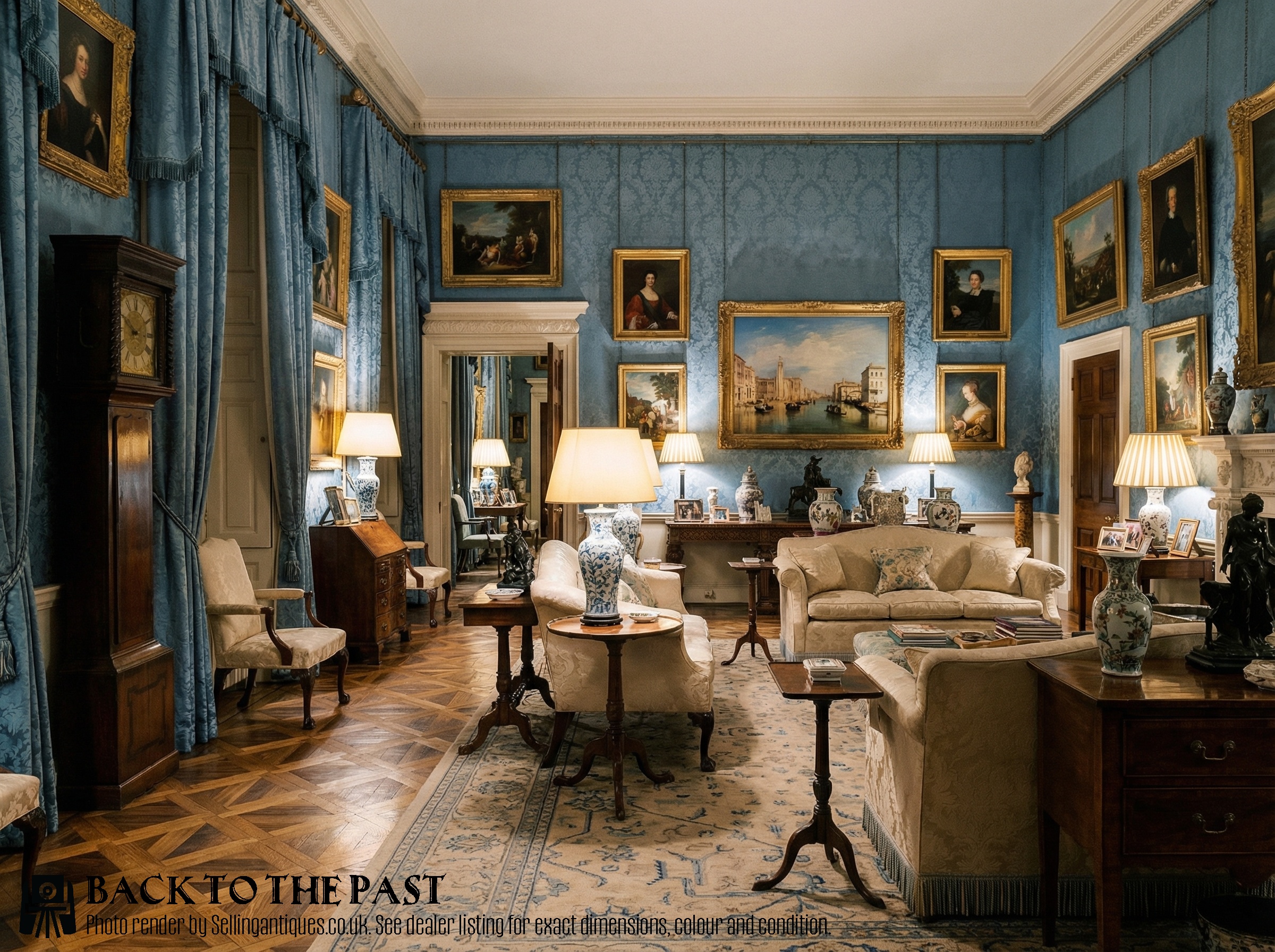
Early 18th Century Clock
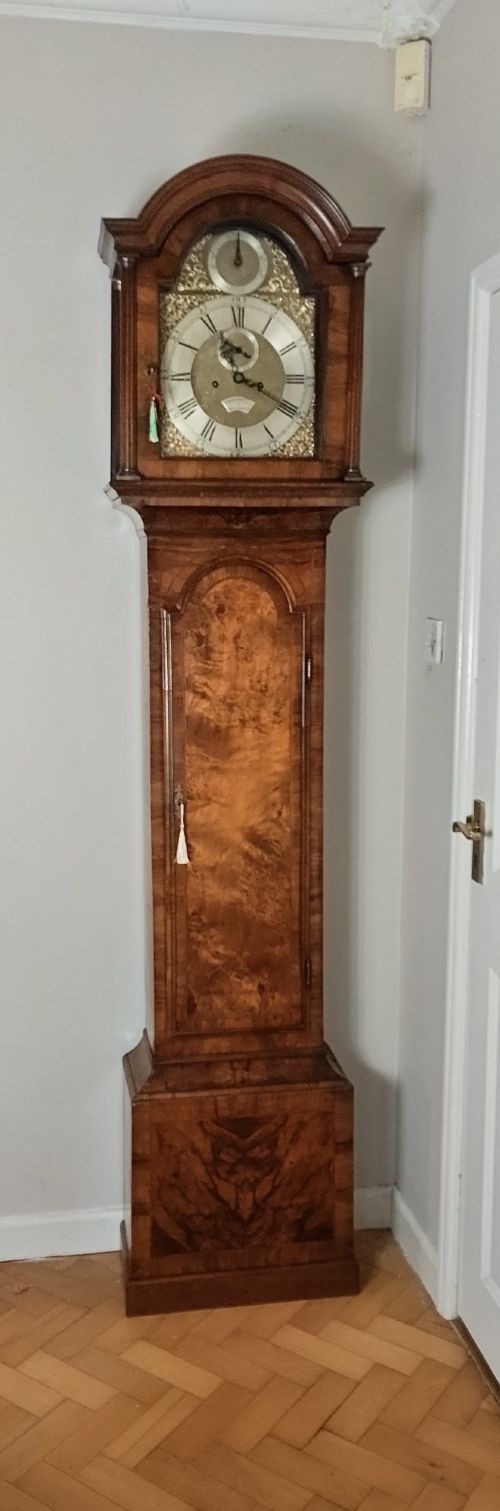
An early 18th century clock encompasses tall case timepieces, wall clocks and lantern clocks produced during the Georgian, Queen Anne and early 1700 periods. Longcase clocks dominate the selection, appearing frequently in sturdy oak, figured walnut and occasional painted finishes.
Buyers encounter regional provincial work alongside signed London pieces, ranging from simple thirty-hour movements to complex eight-day mechanisms with strike or silent options. Forms span grandfathers housed in burr walnut and mahogany-banded cases to smaller wall-mounted timepiece and alarm configurations.
Materials and construction
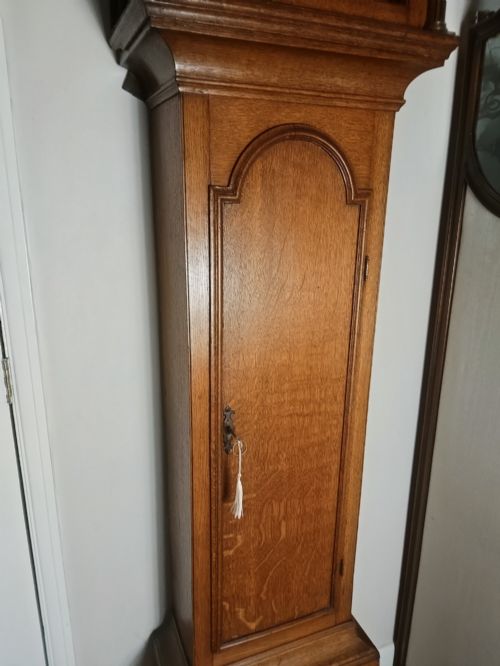
Cabinetmakers constructed the tall cases using solid oak, walnut and mahogany, often incorporating glass viewing panels and intricate inlay work. Metal components utilised brass, steel, silvered brass and iron for dials, bezels and internal gear trains.
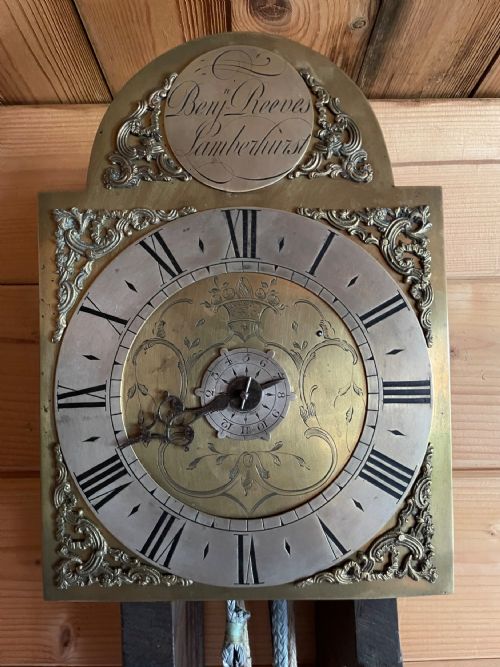
Movements relied on traditional mechanisms like birdcage frames and count wheels, housed securely inside protective wooden or wall-mounted iron frameworks. Dial faces featured engraved chapter rings and decorative brass spandrels alongside hand-hammered wall fixings.
Early 18th Century Clock Retail Price Guide 2026
Typical asking prices for early 18th century clock among the pieces listed under this phrase on Sellingantiques today, from the lower quarter to the upper quarter. They describe what is for sale here now, not the wider market.
Geographic origins span London workshops alongside regional English and Welsh makers operating during the early 18th century and Georgian period.
Quality variations
Case timber selection dictates much of the visual hierarchy, with figured burr walnut and rich patinated oak sitting above plain or later-altered surfaces. Dial execution also separates examples, distinguishing finely engraved silvered brass chapters and signed brass work from simpler provincial faces.
Internal movement originality and complexity define the technical tier of each piece, distinguishing straightforward single-handed thirty-hour trains from multi-pillar eight-day movements with sophisticated strike options.
Thomas Webbe·Benj Reeves·John Waller·John Harrington·George Adams·John Welsh·Joseph Jackeman·John Shepley·John Rowe·Newman of Norwich·Blackburn of Oakham·Peter Bower·John Taylor·John Stancliffe
The Early 18th Century Clock Glossary
- Longcase clock
- A tall freestanding weight-driven timekeeper housed in a wooden case, commonly known as a grandfather clock. These floor-standing pieces protect the pendulum and weights behind a glazed door.
- Lantern clock
- An early brass wall-mounted timekeeper driven by weights suspended below, featuring exposed side doors and a bell on top. They represent some of the earliest domestic mechanical clocks used in British homes.
- Chapter ring
- The outer metal circle on a clock dial that bears the hour numerals. Silvered brass rings provide high contrast against engraved brass backing plates.
- Spandrel
- The decorative metal corner ornament placed outside the chapter ring on a square dial. These cast brass corners fill the space between the circular track and the square frame.
- Count wheel
- An internal mechanical component that controls the striking sequence of a clock. It uses a slotted rotating disc to determine how many times the bell sounds each hour.
Early 18th Century Clock: Frequently Asked Questions
What is the difference between an oak and a walnut longcase?
Oak cases typically reflect robust provincial English craftsmanship with straightforward timber grains and durable everyday utility. Walnut versions often display more decorative burr veneers and higher status styling suited to formal interior spaces.
Both timber types house similar brass mechanical movements, though walnut examples frequently correlate with sophisticated London maker signatures and finer dial engraving.
How do thirty-hour and eight-day movements differ?
Thirty-hour movements require winding once a day using shorter cords and simpler gear trains, often operating with a single hand. Eight-day movements utilise heavier weights and more intricate gearing to run for over a week between windings.
Eight-day clocks generally incorporate two hands for hours and minutes, alongside subsidiary dials or strike-silent functions depending on the maker.
Where were hook and spike wall clocks placed?
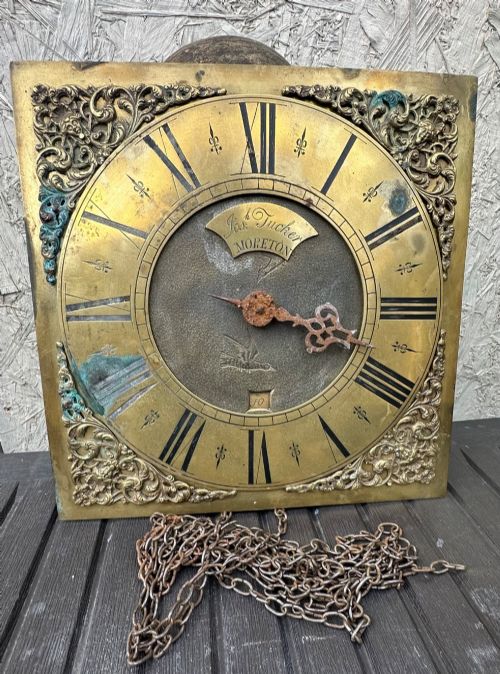
Hook and spike wall clocks hung directly from sturdy wall pins using an iron bracket fixed to the back of the movement. They served kitchens, workshops and smaller rooms where floor space remained limited.
Their open weight-driven design allowed easy access for daily winding and time adjustment without needing a protective wooden floor case.
How can I identify a provincial maker?
Provincial makers inscribed their names and towns directly onto the brass dial plate, recording regional hubs like Preston, Halifax, or Norwich. These pieces often feature simpler oak cases constructed by local joiners rather than metropolitan cabinetmakers.
Examining the dial signature and local archives reveals the working geography of these regional Westmoreland, Yorkshire or Welsh clockmakers.