

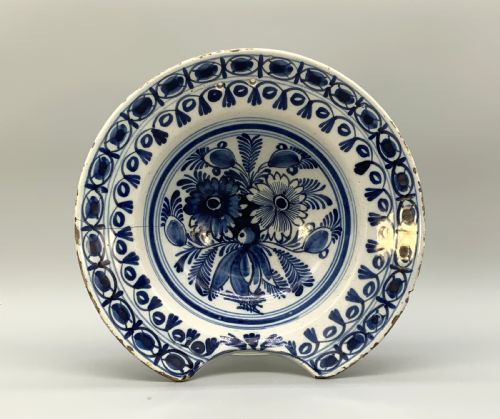


Dutch Tin Glazed Dish
A dutch tin glazed dish brings the vibrant blue-and-white motifs of the golden age straight onto the wall or table.
Dutch Tin Glazed Dish
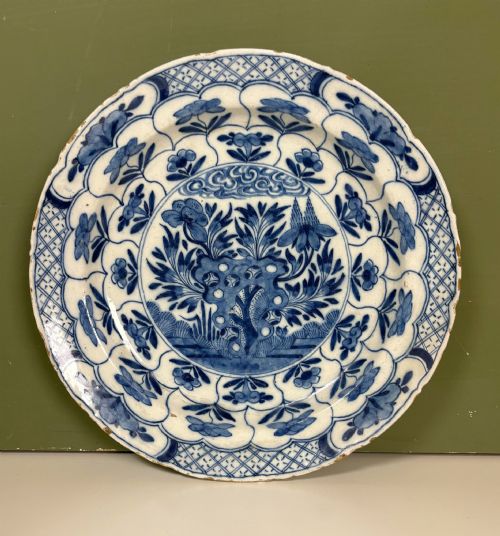
A dutch tin glazed dish is an earthenware vessel shaped as a charger, plate, bowl or specialised piece like a barber bowl or sweetmeat presentier. These objects emerge primarily from the seventeenth and eighteenth centuries, reflecting the height of regional ceramic production.
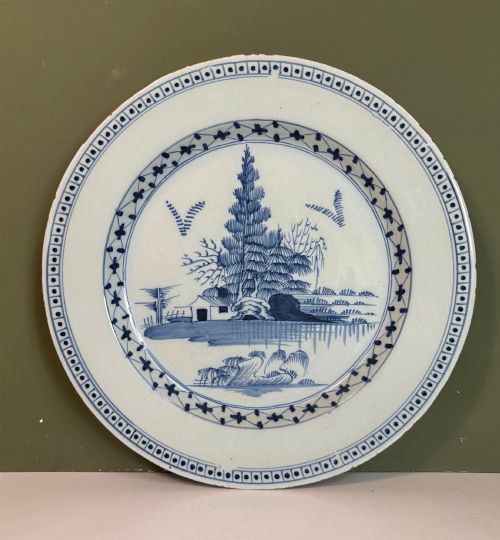
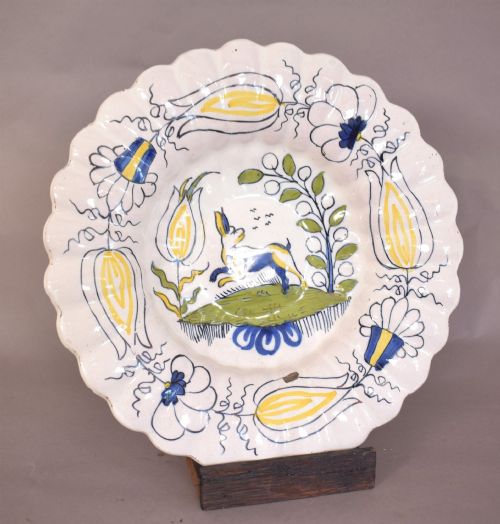
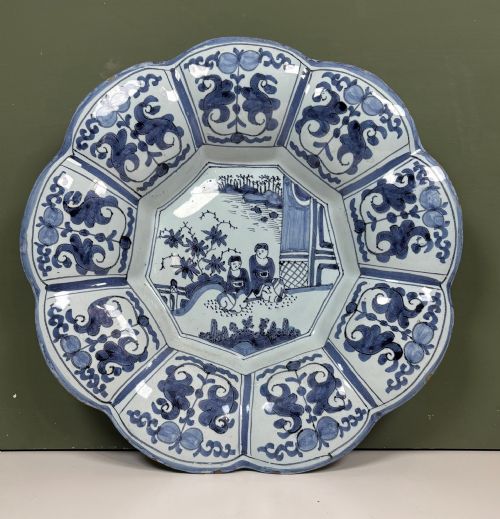
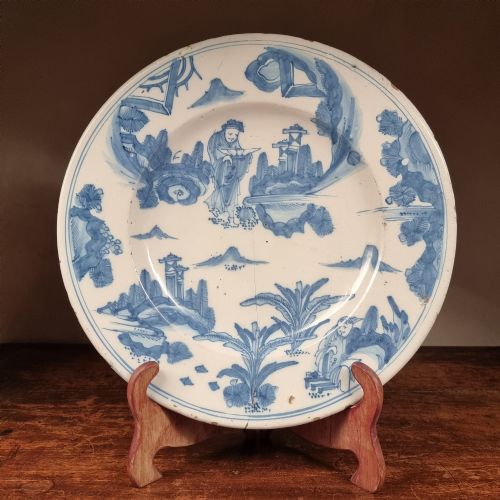
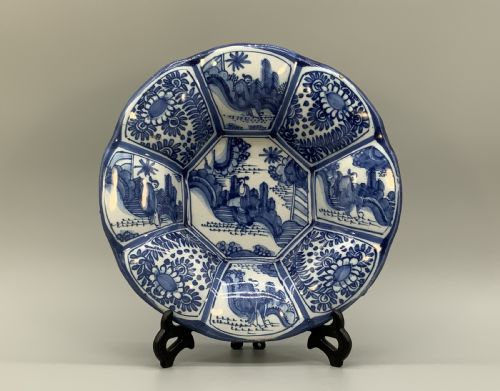
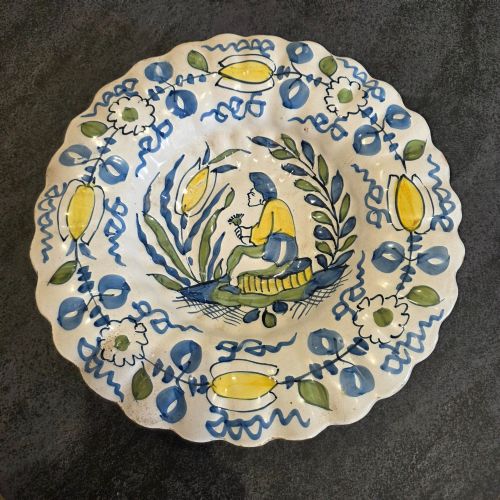
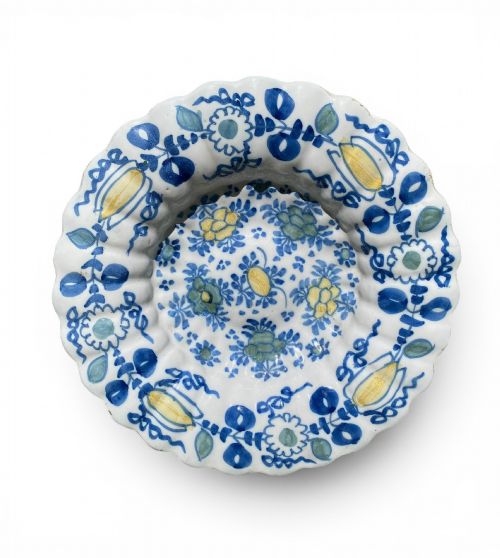
Buyers frequently encounter large chargers and shallower plates decorated in classic blue and white schemes or richer polychrome palettes. The forms range from plain circular dishes to lobed variations influenced by imported Chinese styles.
Materials and Construction
Potters formed these items from basic earthenware, covering the porous body with an opaque white tin glaze that provided a smooth canvas for painting. Artisans applied cobalt pigment directly onto this unfired glaze, absorbing the mineral into the surface during the kiln firing.
The decorative schemes encompass traditional European floral patterns alongside direct interpretations of Kraak and Chinese-inspired motifs. Pigments rely heavily on cobalt oxide for deep blues, occasionally joined by broader polychrome colour palettes.
Some seventeenth-century barbers managed to bleed their clients over specially indented bowls designed to fit snugly against a customer's neck.
Assessing Quality and Execution
Quality rests upon the crispness of the painted brushwork and the stability of the tin glaze across the earthenware body. Superior examples display confident, fluid cobalt application without blurring or running in the kiln.
The ambition of the form also dictates distinction, moving from standard plates to large chargers, lobed dishes and complex serving forms. Preservation of the glaze layer and clarity of the pictorial design elevate individual pieces.
The Dutch Tin Glazed Dish Glossary
- Tin-Glazed Earthenware
- Earthenware pottery covered with a lead glaze made opaque by the addition of tin oxide. This provides the white background typical of delftware.
- Charger
- A large decorative plate intended for display on a wall or sideboard rather than for everyday dining. These substantial dishes often feature the most elaborate painted scenes.
- Polychrome
- Decoration employing multiple colours rather than a single hue. In these ceramics, it describes palettes combining reds, greens and yellows alongside traditional blue.
- Kraak Style
- Chinese porcelain export style characterised by panels radiating from a central medallion. Dutch potters frequently copied these designs on plates and chargers.
- Sweetmeat Presentier
- A specialised shallow dish or pedestal vessel used for serving confectionery. These items represent more uncommon forms within domestic pottery.
Dutch Tin Glazed Dish: Frequently Asked Questions
Were these dishes used for eating?
Many smaller plates saw actual service at the dining table during the seventeenth and eighteenth centuries, though large chargers served primarily for display on walls or sideboards.
Specialised shapes, such as barber bowls or presentiers, fulfilled distinct domestic and grooming functions within wealthy households.
What is the difference between delftware and tin glazed earthenware?
Delftware is simply the specific regional name given to tin-glazed earthenware produced in the Netherlands, particularly around Delft. All Dutch delftware falls under the broader technical category of tin-glazed earthenware.
Regional production developed distinct stylistic traits and blue-and-white painting techniques that set Dutch pieces apart from other European factories.
How do I distinguish blue and white from polychrome?
Blue and white pieces utilise cobalt pigment exclusively against the white tin glaze background, creating a unified tonal scheme. Polychrome examples introduce additional colours such as iron red, green and yellow into the painted composition.
Both decorative approaches appear across seventeenth and eighteenth-century forms.