



Dutch Delftware Dish
A dutch delftware dish brings seventeenth and eighteenth-century ceramic art into the home through tin-glazed earthenware painted in cobalt pigment.

Dutch Delftware Dish
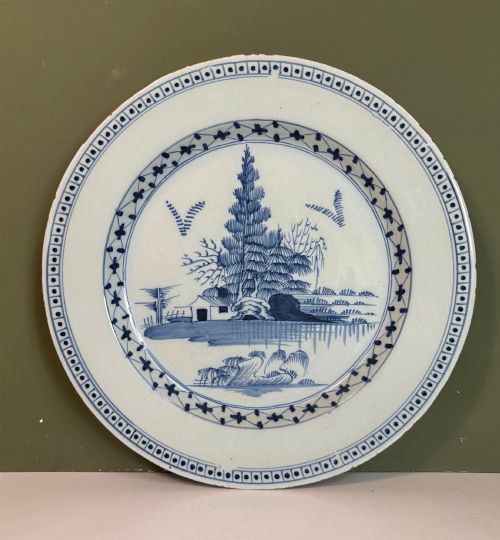
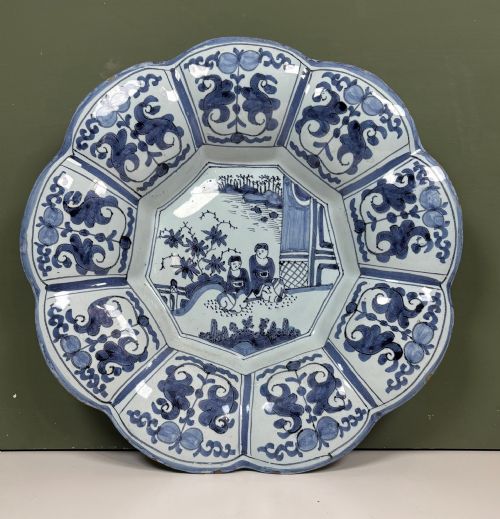
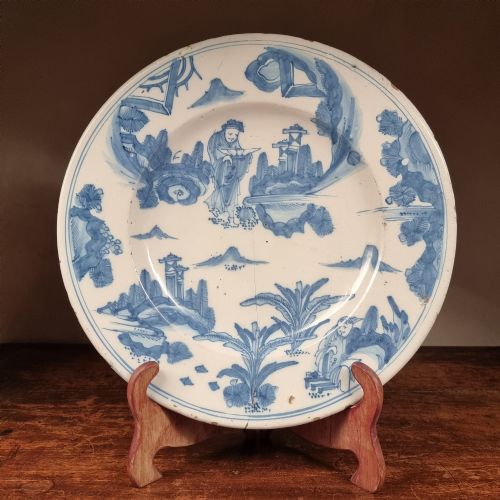
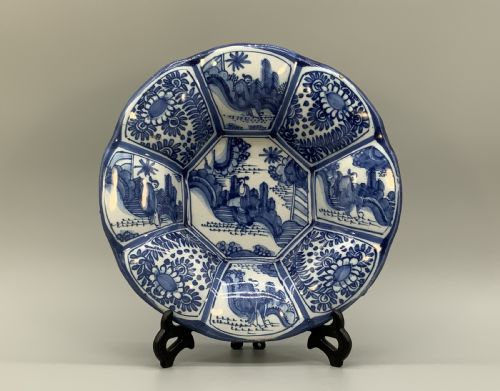
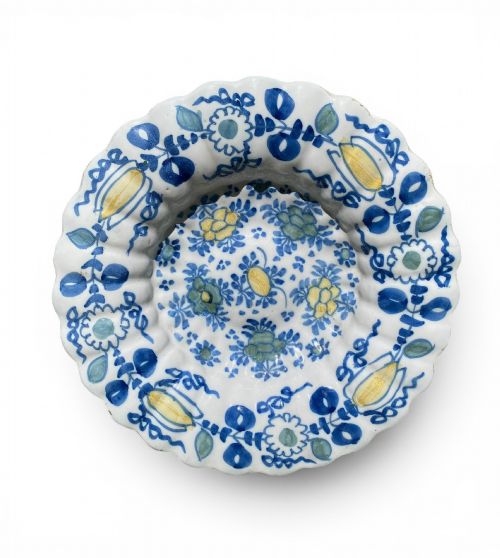
When you search for a dutch delftware dish, you encounter chargers, decorative plates, and shallow bowls originating from the seventeenth and eighteenth centuries. These items reflect the domestic and decorative aspirations of the Dutch Golden Age and subsequent periods.
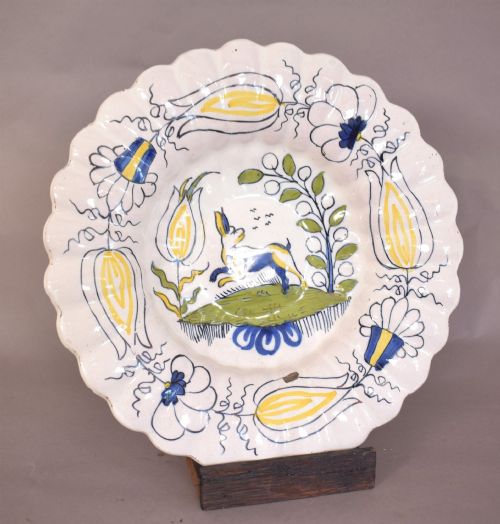
The version you are most likely to meet on this page is an eighteenth-century charger or plate, often decorated in blue and white or polychrome palettes. These larger display pieces and smaller serving forms capture the traditional aesthetic of European tin-glazed ceramics.
How they were made
Potters shaped earthenware bodies which were subsequently coated in an opaque tin glaze to create a white or pale ground for painting. Cobalt pigment and cobalt oxide were then applied directly onto the unfired glaze.
The painted surfaces absorbed the metallic oxides before a final firing fused the decoration into the glossy glaze layer. This technique required steady brushwork as the porous surface absorbed the pigment instantly.
Listings span the seventeenth, eighteenth, and nineteenth centuries, featuring tin-glazed earthenware decorated with cobalt pigment and cobalt oxide.
What varies in quality
The distinction between standard domestic wares and superior examples rests upon the crispness of the cobalt painting and the ambition of the design. Kraak-inspired motifs and intricate polychrome florals demand greater brush control than simple geometric borders.
The purity of the tin glaze and the control achieved during the high-temperature kiln firing determine the visual depth of the piece. Superior specimens display minimal glaze pooling or kiln disruption, allowing the painted narrative to remain clear and sharp.
The Dutch Delftware Dish Glossary
- Charger plate
- A large decorative plate traditionally used for ceremonial display rather than daily dining. These substantial pieces provide a wide surface for narrative or botanical painting.
- Tin-glazed earthenware
- Earthenware pottery covered with a lead glaze made opaque by the addition of tin oxide. This surface serves as a smooth canvas for painted decoration.
- Polychrome
- Decoration employing multiple colours rather than a single pigment. In these ceramics, this typically involves combinations of iron red, green, yellow, and blue.
- Baroque
- An ornate artistic style prevalent during the seventeenth century. It influences the dynamic forms and robust floral compositions found on early plates.
Dutch Delftware Dish: Frequently Asked Questions
How were chargers used originally?
Chargers served primarily as impressive table centrepieces or display items on sideboards during grand meals rather than everyday plates.
Their substantial size allowed hosts to showcase wealth and taste through intricate imported or domestic ceramic designs.
How do I tell seventeenth and eighteenth-century pieces apart?
Seventeenth-century examples often lean towards robust Dutch Baroque forms and direct Kraak-style Chinese inspirations with heavy potting.
Eighteenth-century items frequently exhibit lighter bodies, refined floral motifs, and a broader adoption of polychrome palettes alongside traditional blue and white.
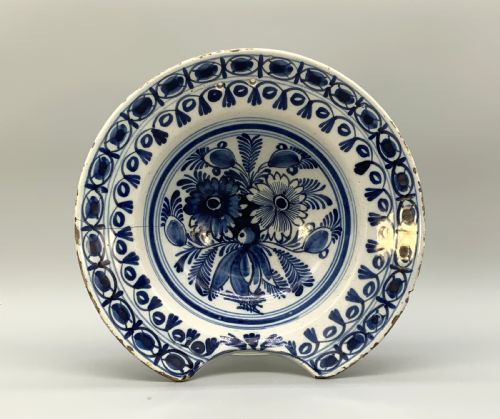
What is a barber's bowl?
A specialised dish featuring a semicircular cut-out on the rim designed to fit snugly against a customer's neck during shaving.
These functional vessels were produced in tin-glazed earthenware and decorated with cobalt blue patterns matching standard tableware.
How should I display a charger safely?
Display chargers using sturdy wall hangers specifically designed for heavy earthenware plates or secure vertical plate stands on stable surfaces.
Ensure the mounting hardware distributes the weight evenly across the base and rim to prevent stress fractures.