





Dutch Baroque Display Bookcase
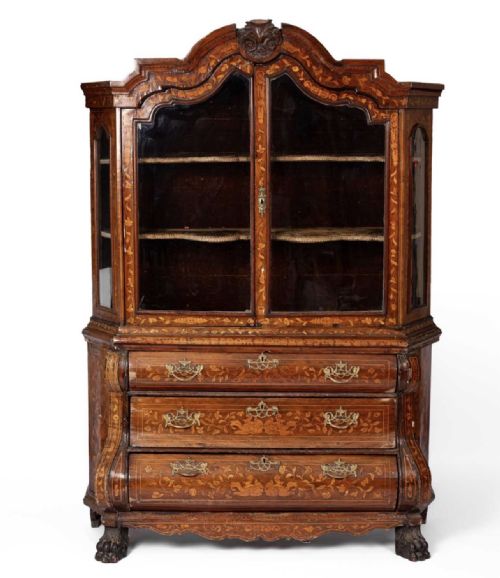
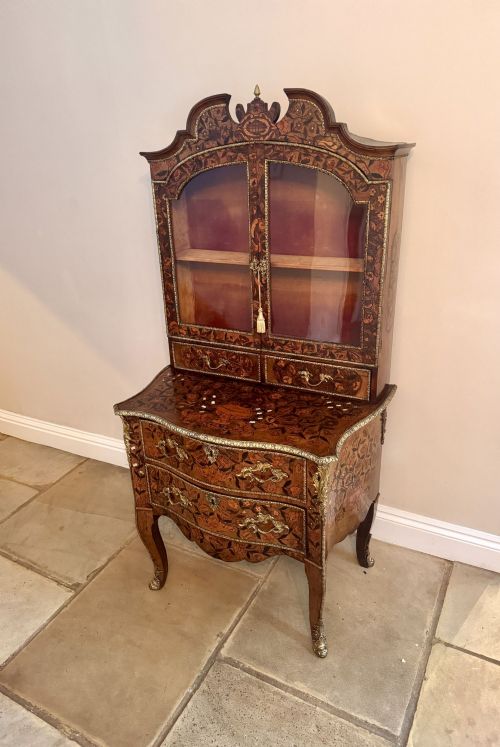
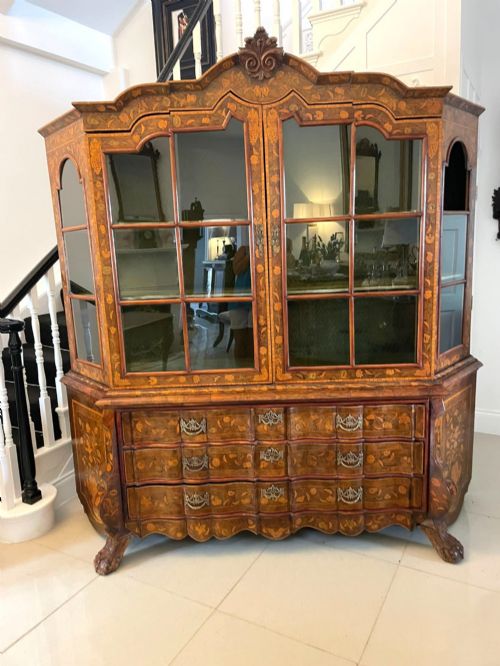
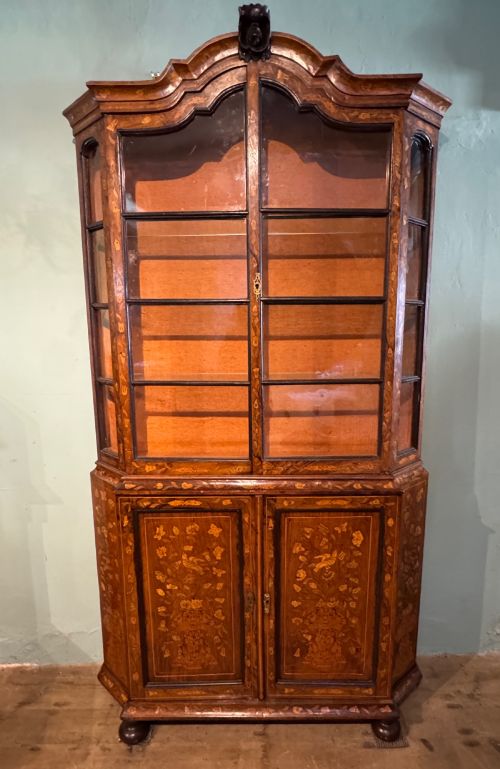
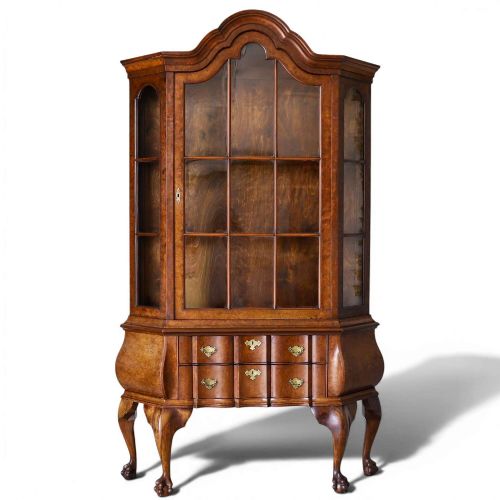
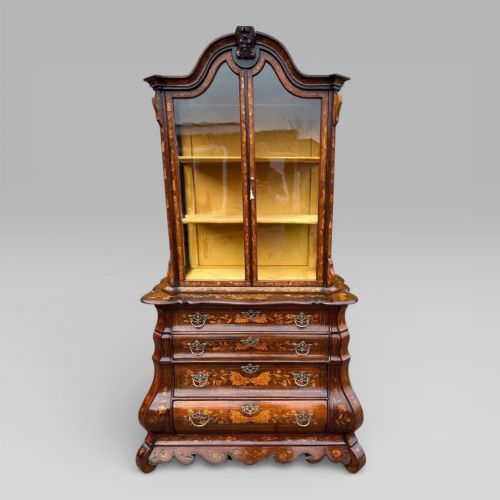
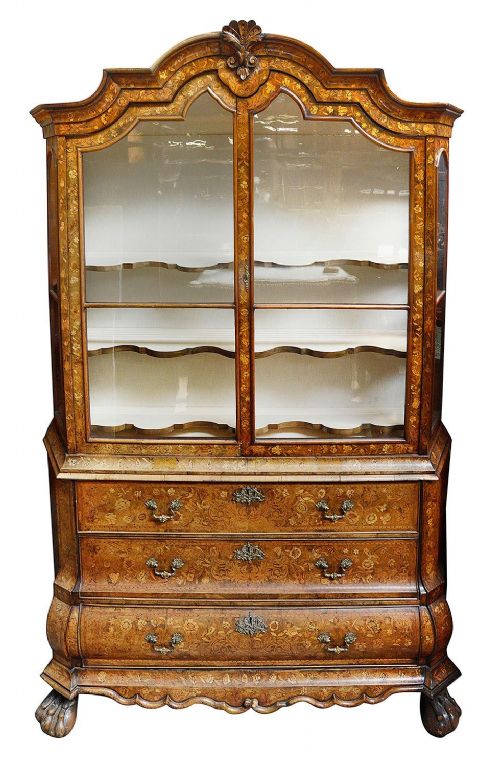
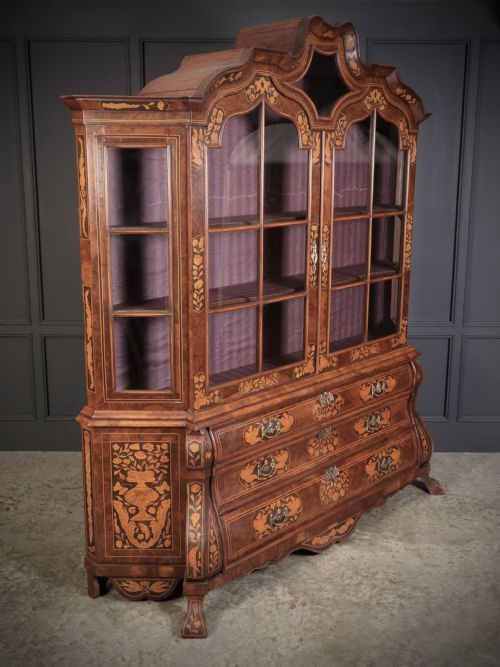
These Dutch baroque display bookcase examples bring rich walnut veneers, bombé curves and detailed marquetry straight into a room.
Dutch Baroque Display Bookcase
A dutch baroque display bookcase bridges the gap between functional storage and grand architectural display, drawing the eye with substantial proportions and complex silhouettes. When browsing this selection, buyers encounter pieces ranging from authentic eighteenth-century examples to later revival interpretations from the nineteenth and early twentieth centuries.
The primary forms appearing here include bureau bookcases, glass-fronted vitrines, and display cabinets resting upon bombé chests or lower cupboards. These configurations often combine glazed upper sections for holding books or porcelain with lower cabinet storage featuring swelling drawer fronts.
Origins span formal eighteenth-century workshop traditions alongside later revival pieces produced across the nineteenth and twentieth centuries. Walnut veneers and elaborate marquetry inlay remain the dominant aesthetic markers uniting these varied decades of production.
Materials and construction methods
Makers built these cabinets using sturdy foundational timbers like oak, applying rich surface veneers of walnut, burr walnut, and fruitwood. Elaborate floral and figural marquetry inlay utilised contrasting woods to create intricate decorative panels across the doors and drawer fronts.
Cabinetmakers shaped the characteristic bombé profile through careful shaping of the timber carcass to achieve the swollen, outward-curving lower section. Glazed upper doors incorporated wooden framing to house glass panes, while brass hardware such as drop handles and escutcheons finished the storage sections.
Dutch Baroque Display Bookcase Retail Price Guide 2026
Typical asking prices for dutch baroque display bookcase among the pieces listed under this phrase on Sellingantiques today, from the lower quarter to the upper quarter. They describe what is for sale here now, not the wider market.
Materials appearing across the inventory include figured walnut, burr walnut, glass, brass, and diverse fruitwood marquetry applied to oak carcasses.
Distinctions in quality and execution
The sophistication of the marquetry design and the choice of veneer figure set the finer examples apart from simpler iterations. Crisp floral details and balanced composition in the inlaid fruitwood indicate a higher level of workshop skill.
Structural harmony in the bombé shaping and the smooth integration of the upper display cabinet with the lower chest define superior construction. Well-preserved original glass panes and cleanly fitted brass hardware further elevate a piece's standing.
Edwards & Roberts
The Dutch Baroque Display Bookcase Glossary
- Bombe
- A swelling, outward-curving furniture shape characteristic of baroque design. This undulating contour requires advanced woodworking skill to build.
- Marquetry
- The art of applying decorative pieces of veneer to a structure to form intricate patterns or pictures. Craftsmen frequently used fruitwood and walnut for these detailed inlays.
- Vitrine
- A glass-displayed cabinet designed specifically for showing porcelain, books, or curiosities. The glazed doors protect the contents while offering clear visibility.
- Veneer
- A thin layer of fine wood applied to a base timber to provide a decorative surface. Burr walnut veneers frequently appear on these cabinet exteriors.
- Escutcheon
- A flat plate surrounding a keyhole, often cast in brass. These hardware elements add both protection to the wood and a decorative accent.
Dutch Baroque Display Bookcase: Frequently Asked Questions
What is a dutch baroque display bookcase?
These pieces combine upper glass shelving for books or display with lower enclosed storage, united by baroque styling. They frequently feature rich wood veneers and decorative marquetry.
Originating in the Netherlands, the style embraces dramatic curved silhouettes and intricate floral inlays that make the furniture a striking focal point in any interior.
How do I distinguish eighteenth-century pieces from later revivals?
Eighteenth-century originals show period construction techniques, hand-cut joinery, and patination developed over centuries of use. Revival pieces from the nineteenth and twentieth centuries often employ cleaner internal framing while mimicking earlier baroque aesthetics.
Examining the secondary timbers inside the drawers and the style of the brass hardware helps clarify the exact manufacturing period of the cabinet.
Where should I place a bombé cabinet?
The swelling curves of a bombé base demand ample floor space so the silhouette is not obscured by surrounding furniture. Placing the piece against a flat wall in a principal room allows the walnut and fruitwood grain to catch the light.
Because these cabinets are tall and heavy, securing them properly to the wall ensures stability, particularly when housing heavy books or delicate glassware.
How do I care for walnut veneer and marquetry?
Keep these cabinets away from direct sunlight and steady heat sources to prevent the delicate fruitwood and walnut veneers from drying out or lifting. Regular dusting with a soft, dry cloth maintains the surface sheen.
Applying occasional appropriate furniture wax nourishes the timber and preserves the depth of the marquetry inlay without building up harmful residues.