

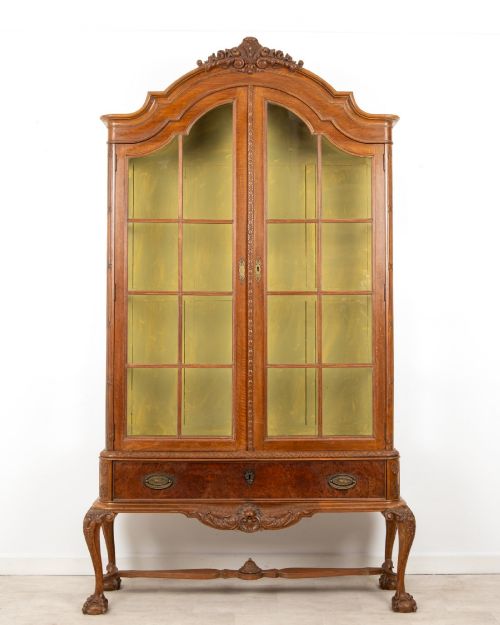
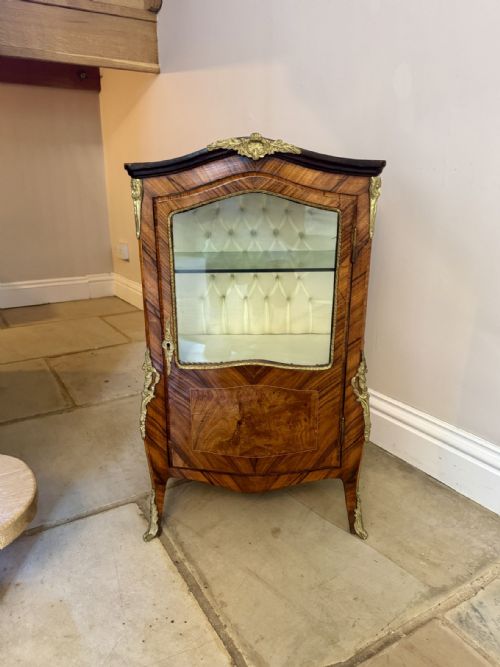
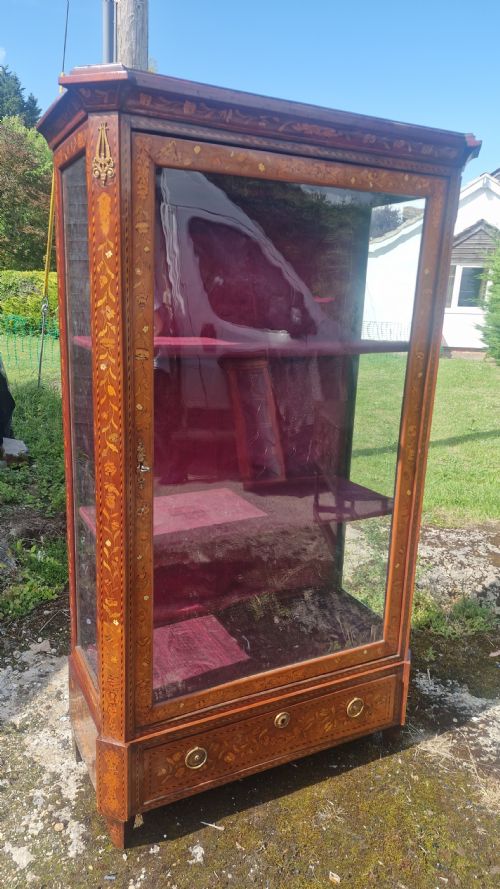
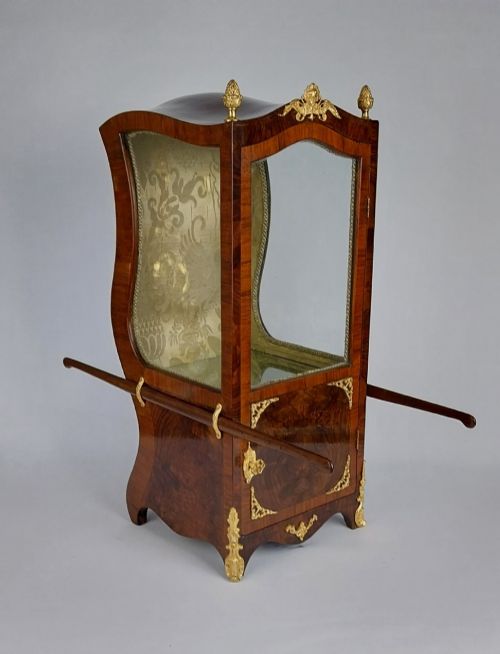


Curio Display Cabinet Walnut
A curio display cabinet walnut brings together glazed timber and prized possessions, offering a refined stage for small treasures.
Curio Display Cabinet Walnut
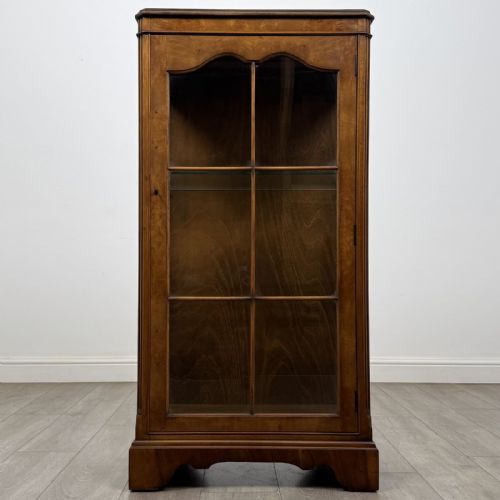
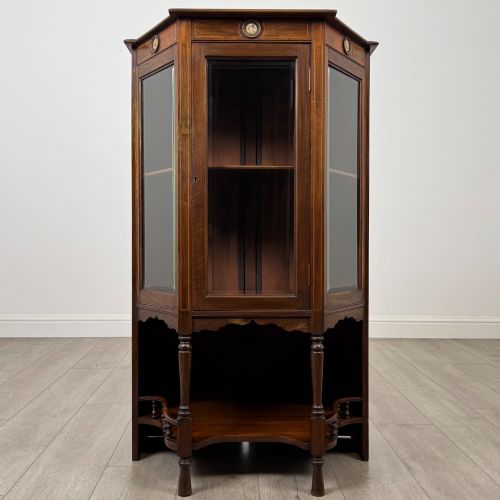
A curio display cabinet walnut serves primarily to showcase collections behind protective glass while adding warmth to a room. Buyers searching this phrase encounter several distinct forms, ranging from towering floor-standing vitrines to compact table cabinets and wall-mounted units.
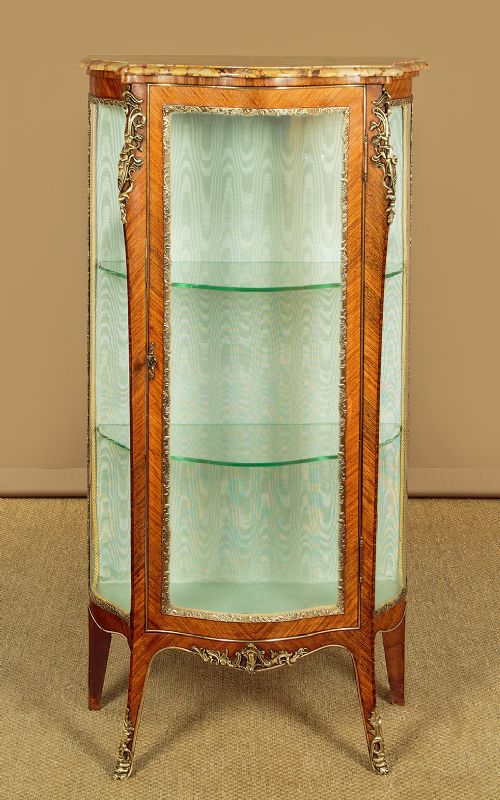
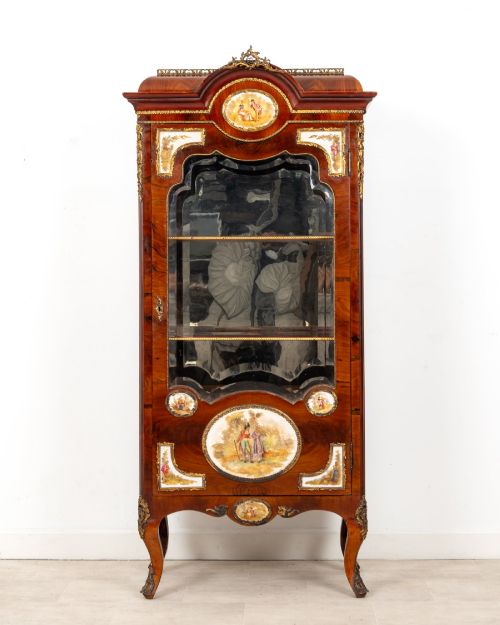
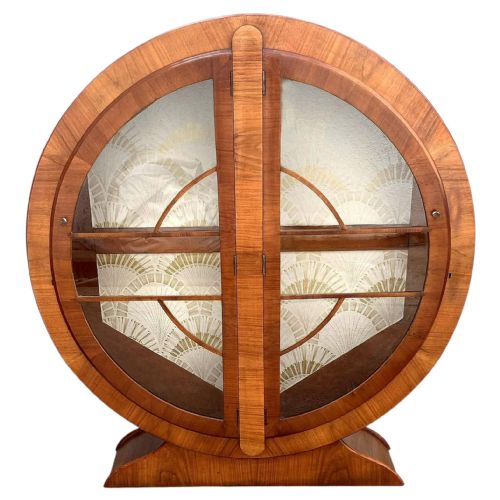
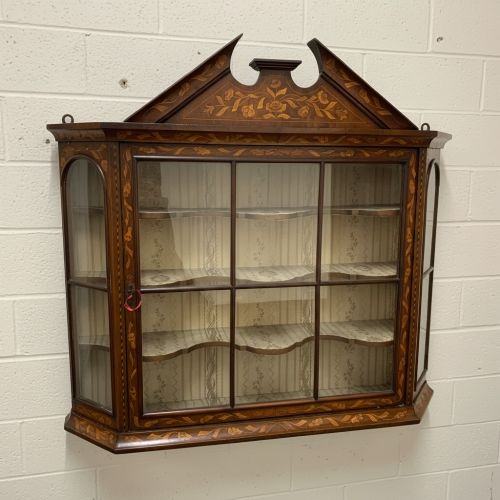
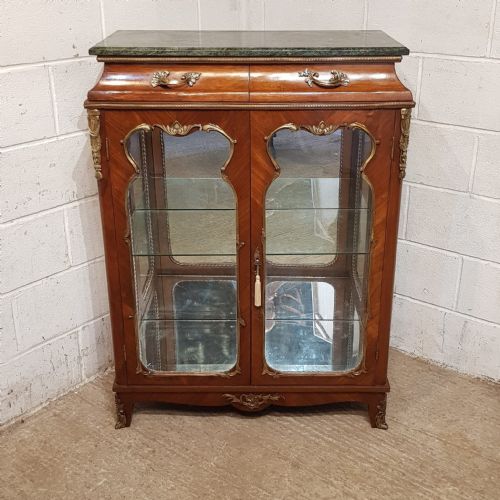
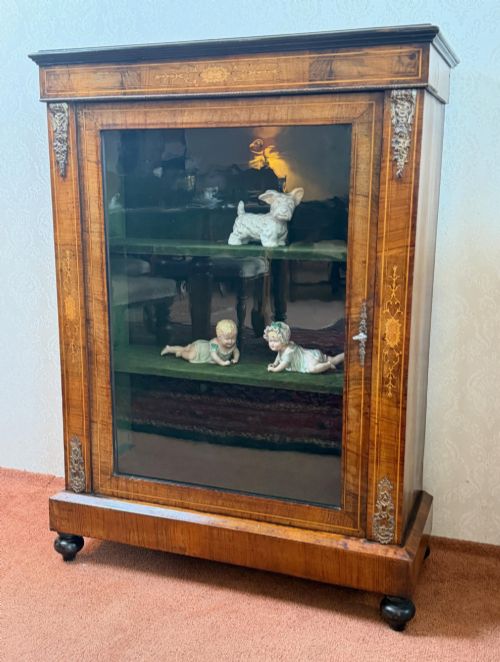
The pieces appearing here span multiple eras and design influences, including Victorian pier cabinets, Edwardian glazed cupboards, and geometric Art Deco creations. French Louis XV style vitrines and Dutch marquetry bombé cabinets also surface frequently among the listings.
Origin and period heavily dictate the silhouette, with mid-nineteenth-century examples favouring curvaceous mounts and twentieth-century interpretations leaning towards clean circular or octagonal geometries. Buyers frequently select these items to anchor a formal interior or to display porcelain, glass, and small antiques.
How they were made
Cabinet makers utilised walnut timber as the primary structural and visual canvas, often selecting burr walnut or figured veneers to create striking grain patterns across flat surfaces and curved doors. Marquetry inlay involving lighter and darker woods frequently decorates the panels of Dutch and French pieces.
Mounts cast in ormolu, gilt bronze, or brass accent the corners, feet, and cornices of nineteenth-century vitrines, providing a metallic contrast to the dark wood. Silk velvet or fabric linings frequently cover the internal shelves and bases to cushion displayed objects.
Glass panels are fitted into glazed wooden doors or curved frames, allowing maximum light penetration into the interior chamber. Marble tops occasionally cap French cabinets, adding a heavy, polished stone surface above the wooden carcase.
Curio Display Cabinet Walnut Retail Price Guide 2026
Typical asking prices for curio display cabinet walnut among the pieces listed under this phrase on Sellingantiques today, from the lower quarter to the upper quarter. They describe what is for sale here now, not the wider market.
Listings feature walnut alongside ormolu, glass, fabric, and velvet across styles ranging from Art Deco to Dutch Baroque.
What varies in quality
The skill of the cabinet maker determines the precision of the joinery and the fluidity of curved veneered surfaces, particularly on bombé or serpentine forms. Superior examples display seamless grain matching across doors and drawers, whereas lesser pieces show rushed assembly and abrupt grain interruptions.
The casting and channelling of metal mounts reveal the workshop standard behind a vitrine, with crisp, heavy ormolu fittings far outshining thin, pressed brass replacements. Similarly, the complexity of marquetry inlay, from simple stringing to elaborate floral pictorial scenes, separates standard production furniture from masterworks.
Linke·Rurka
The Curio Display Cabinet Walnut Glossary
- Vitrine
- A glass-fronted cabinet designed specifically for displaying fine porcelain, curiosities, and decorative objects. These pieces often feature glass sides to maximise internal illumination.
- Marquetry
- The art of applying decorative veneer pieces in wood, metal, or shell to form intricate geometric patterns or pictorial scenes. It appears frequently on Dutch and French cabinets.
- Ormolu
- Gilded bronze mounts applied to furniture edges, feet, and pediments during the eighteenth and nineteenth centuries. This decorative technique adds a bright metallic contrast to dark woods.
- Bombé
- A swelling, bulging contour found on furniture fronts and sides, most notably seen in continental European pieces. This voluptuous shape requires advanced woodworking skill to construct accurately.
- Pier cabinet
- A low cabinet designed specifically to stand against the narrow section of wall between two windows. These often include mirrored backs and glazed doors.
Curio Display Cabinet Walnut: Frequently Asked Questions
What is a curio display cabinet walnut used for?
These cabinets were historically designed to protect and exhibit delicate collections of porcelain, miniature sculptures, and curiosities gathered during travels. The glass doors and sides allowed owners to display their prized possessions safely away from dust and handling.
Today, they serve much the same purpose in domestic interiors, providing a dedicated focal point for personal collections while introducing rich wood tones and historic character to a room.
How do I tell Victorian from Art Deco cabinets?
Victorian cabinets typically feature dark walnut timbers, ornate ormolu mounts, glazed arched doors, and stylistic nods to earlier French or Gothic revivals. Their silhouettes are often curved, pillar-supported, or heavily carved.
Art Deco cabinets from the 1930s embrace streamlined geometry, featuring circular, octagonal, or clean rectangular shapes with figured walnut veneers and minimal metal ornamentation, reflecting a modern aesthetic.
Are all these cabinets made of solid walnut?
Most cabinets combine solid walnut framing with walnut veneers applied over secondary woods like oak or pine. Veneering allowed makers to display dramatic burr and figured grain patterns that would be unstable if carved from a single solid plank.
High-end pieces use thick, expertly matched veneers on all visible surfaces, ensuring durability alongside striking visual movement across the doors and panels.
Where should I place a vitrine cabinet?
Vitrines require careful placement away from direct sunlight to protect internal fabric linings and sensitive collectibles from fading. Placing them against a steady interior wall ensures stability, particularly for taller or top-heavy floor models.
Because many cabinets feature glass side panels, positioning them where ambient room light can pass through the sides enhances the visibility of the objects stored inside.