





Dutch Baroque Chest
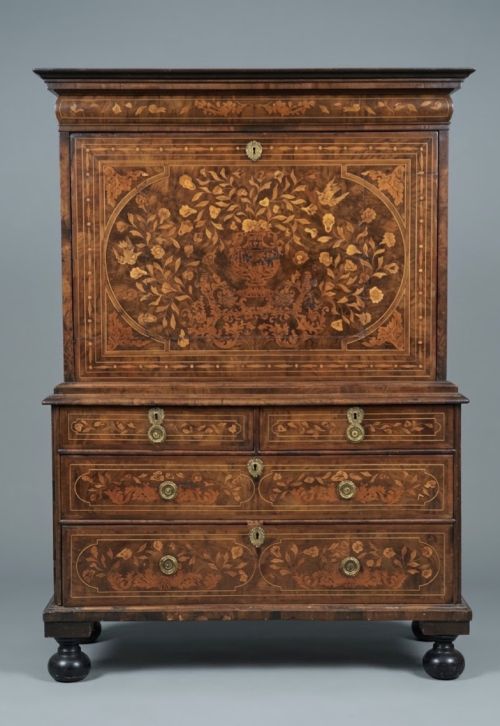
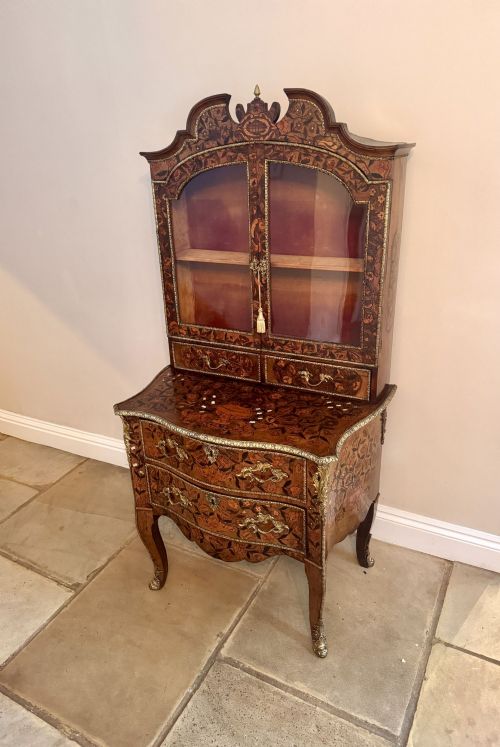
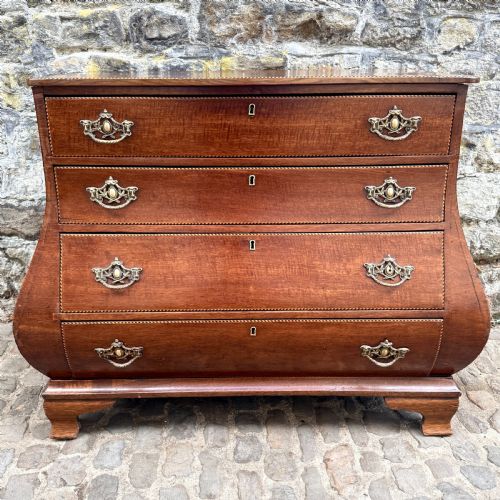
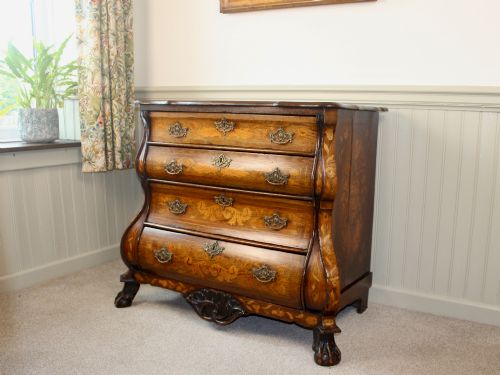
A dutch baroque chest brings heavy walnut, floral marquetry, and swollen bombe curves into a room with striking presence.
Dutch Baroque Chest
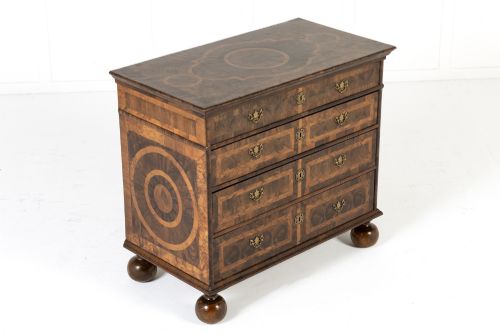
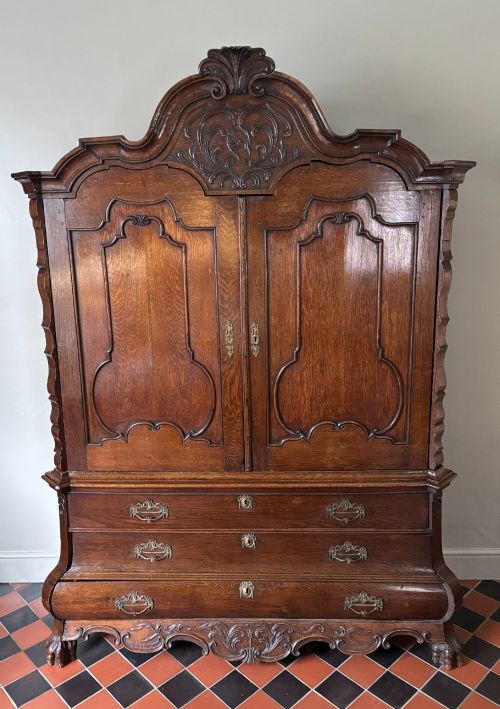
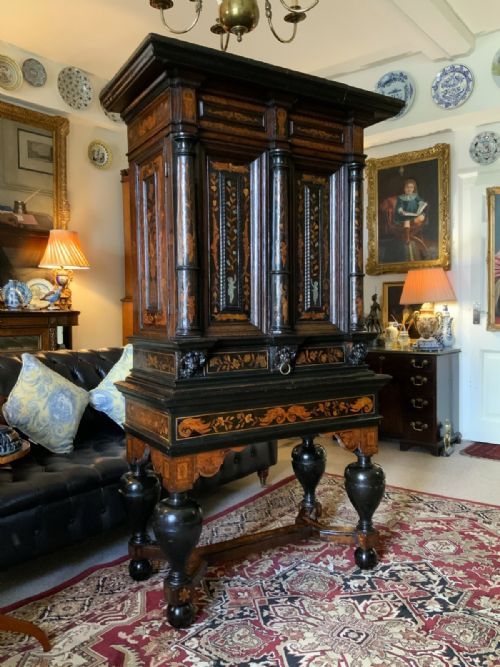
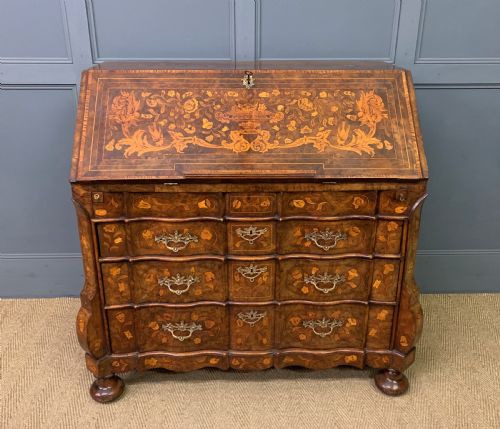
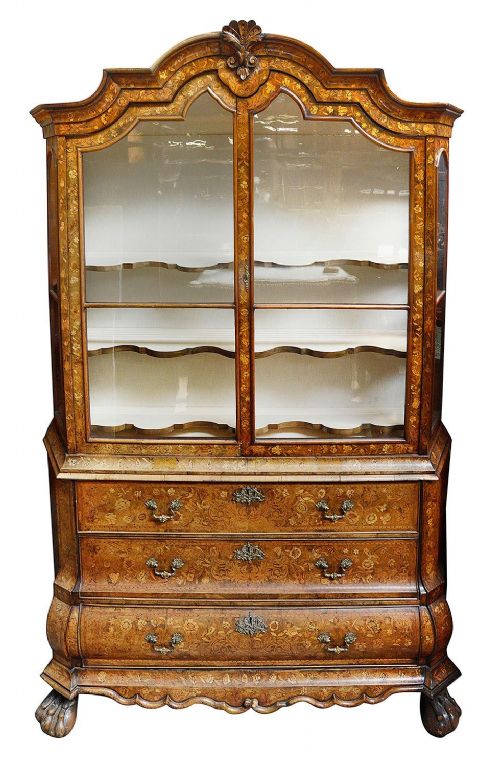
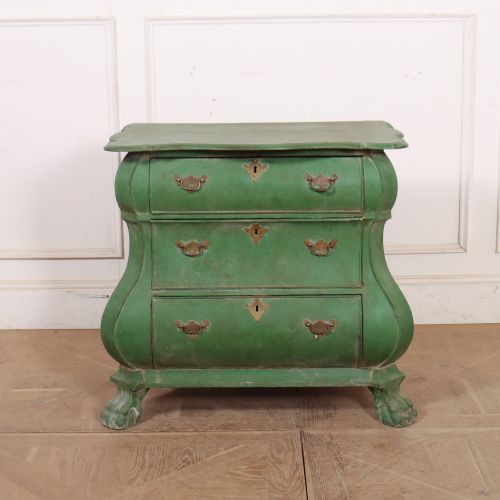
When you search for a dutch baroque chest, you encounter case furniture defined by sweeping serpentine lines and elaborate wood inlays. These pieces include commodes, bureaus, and linen presses originating predominantly from the seventeenth and eighteenth centuries, alongside later nineteenth and twentieth-century revivals.
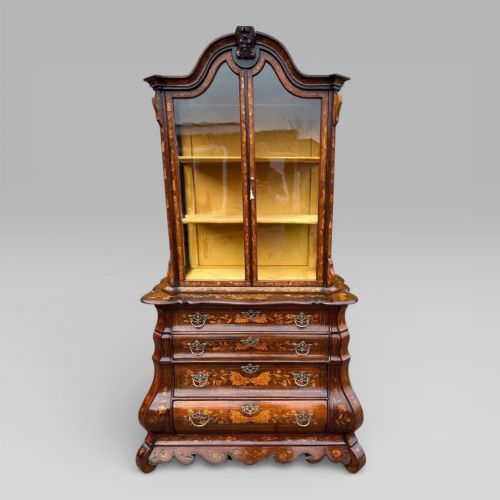
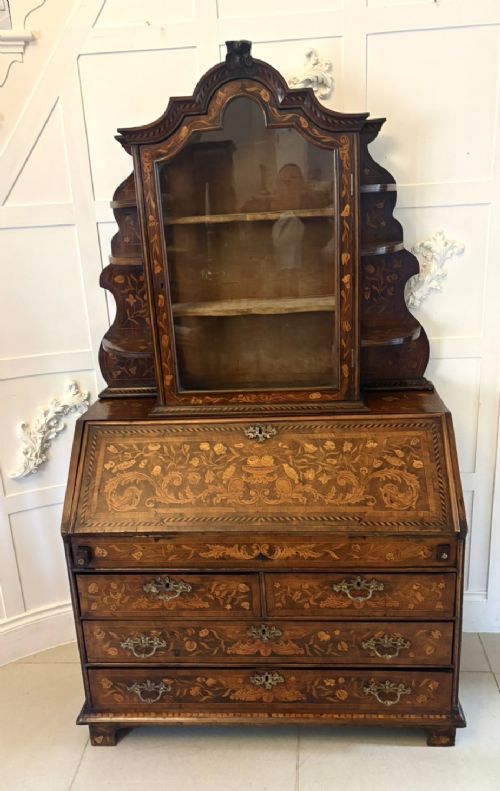
The version most commonly met on this page is the bombe chest of drawers, shaped with a prominent outward swell to the front and sides. Alongside these stand cabinets on stand, bureau bookcases, and display cabinets sharing the same heavy proportions and decorative ambition.
Makers and workshops from the period utilised native and imported timbers to build functional storage that doubled as ornamental display. The survival of such forms demonstrates the enduring appeal of baroque mass combined with intricate floral detail.
Separating the ordinary from the exceptional
Quality in these pieces rests upon the ambition and execution of the marquetry and the harmony of the bombe shaping. Pieces featuring dense floral inlay executed in varied fruitwoods and pewter display a higher level of artisan skill than simpler veneered surfaces.
The integrity of the timber movement across the swollen curves also dictates excellence, as wood shrinkage tests the original joinery over centuries. Well-preserved patination on the walnut and burr walnut surfaces distinguishes untouched examples from those stripped of their historical depth.
Dutch Baroque Chest Retail Price Guide 2026
Typical asking prices for dutch baroque chest among the pieces listed under this phrase on Sellingantiques today, from the lower quarter to the upper quarter. They describe what is for sale here now, not the wider market.
Listings span from the 17th century through the Edwardian era, featuring walnut, oak, fruitwood, and pewter inlay.
Edwards and Roberts·King Willem I
The Dutch Baroque Chest Glossary
- Bombe
- A swollen, convex shaping applied to the front and sides of a chest or commode. This profile requires advanced carpentry to curve timber without losing structural integrity.
- Marquetry
- A technique where different coloured wood veneers, and occasionally pewter, are cut and fitted together to form pictorial designs such as floral sprays. It covers foundational carcases to create decorative surfaces.
- Commode
- A low chest of drawers originating in France and adopted across the Netherlands during the eighteenth century. These storage units often feature bombe contours.
- Bureau bookcase
- A writing desk combined with upper shelving or display cabinetry, enclosed by doors or a sloping fall-front. They provide dual utility for correspondence and storage.
- Parquetry
- Geometric wood inlay forming repeating patterns like chequers or diagonals across a surface. It appears on cabinet doors and tabletops.
Dutch Baroque Chest: Frequently Asked Questions
What is a bombe chest?
A bombe chest is a storage piece featuring a distinct outward convex curve along its front and sides, giving the carcase a swollen appearance.
This sculptural form required specialist joinery to shape thick timbers and veneer without splitting the wood over time.
How do I spot floral marquetry?
Floral marquetry appears as detailed inlaid patterns depicting flowers and foliage, constructed from contrasting wood veneers like fruitwood and walnut.
Close inspection reveals individual pieces of veneer cut and fitted by hand into the surrounding timber background.
Were these chests used for clothes?
These pieces served multiple domestic storage purposes, ranging from linen presses holding textiles to commodes storing garments in private chambers.
Bureau variations added a writing surface for household accounts and correspondence alongside drawer storage.
How do I distinguish eighteenth-century pieces from later revivals?
Eighteenth-century examples display natural timber oxidation, hand-cut dovetails, and organic wear patterns accumulated through generations of use.
Nineteenth and twentieth-century revivals often utilise machine-cut elements and exhibit different surface patination despite copying baroque forms.