


Dr Wall Worcester Dish
These eighteenth-century pieces of dr wall worcester dish show the delicate painting and soft-paste porcelain that serious ceramic collectors prize.
Dr Wall Worcester Dish
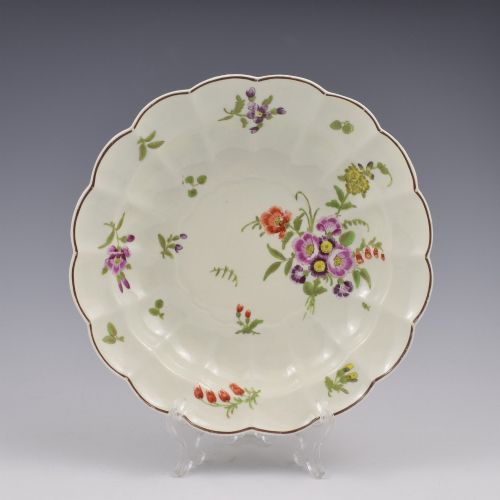
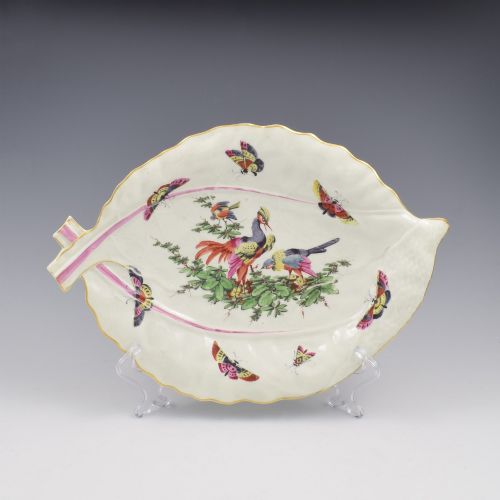
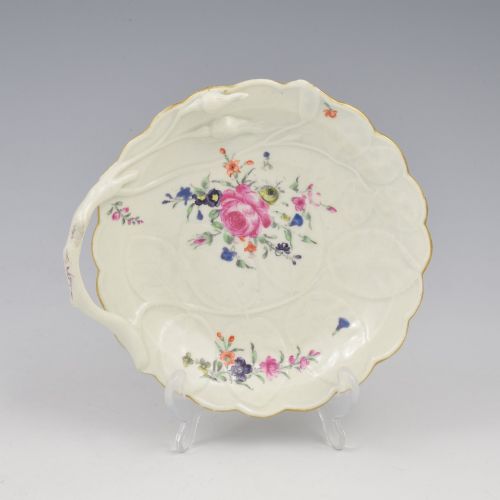
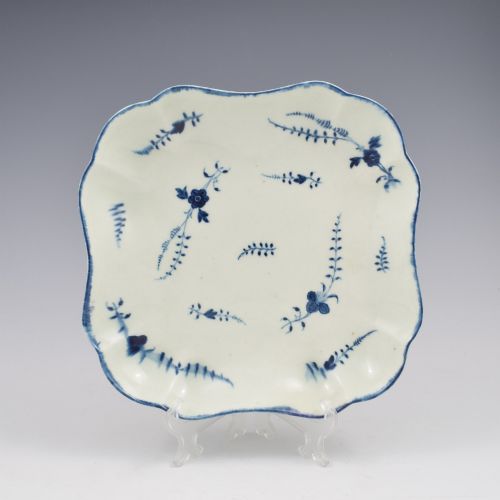
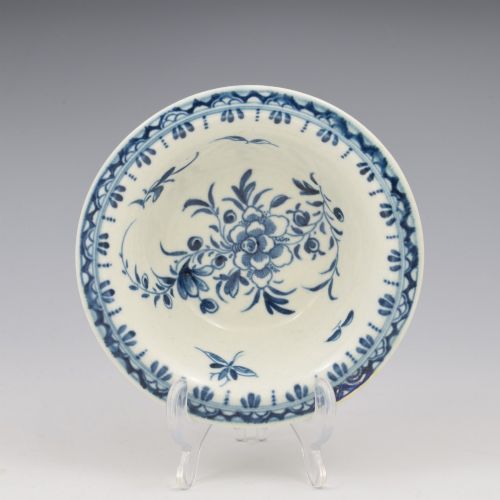
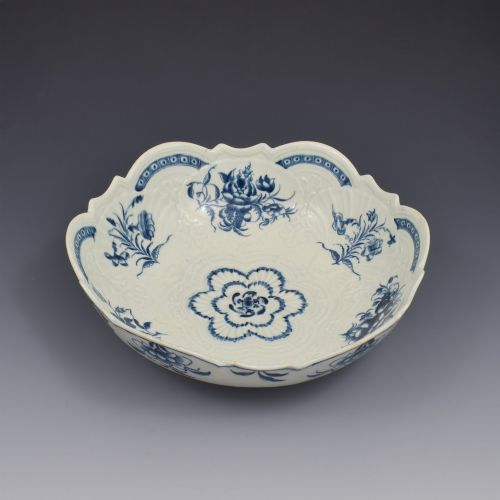
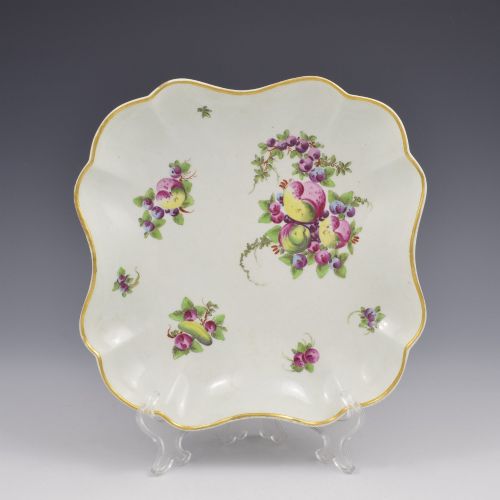
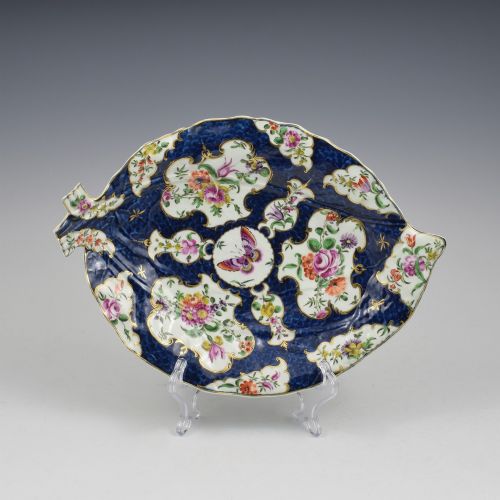
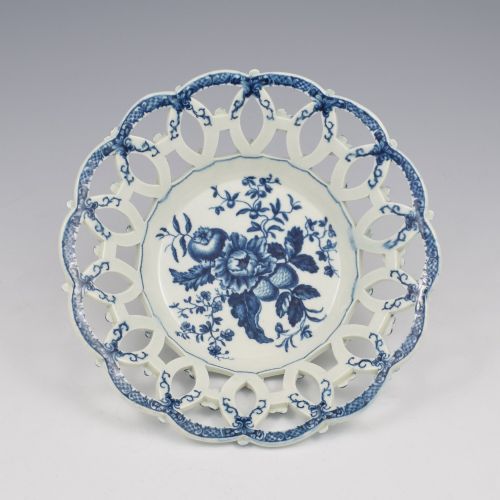
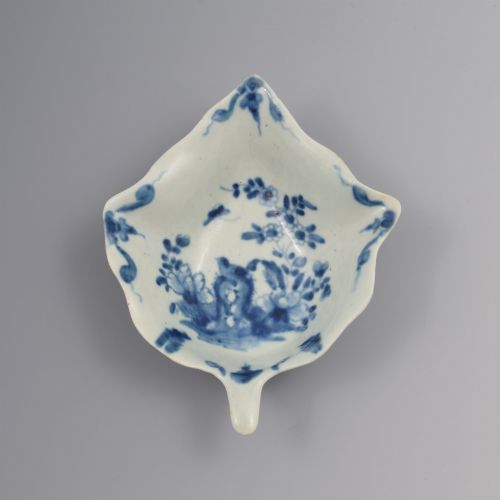
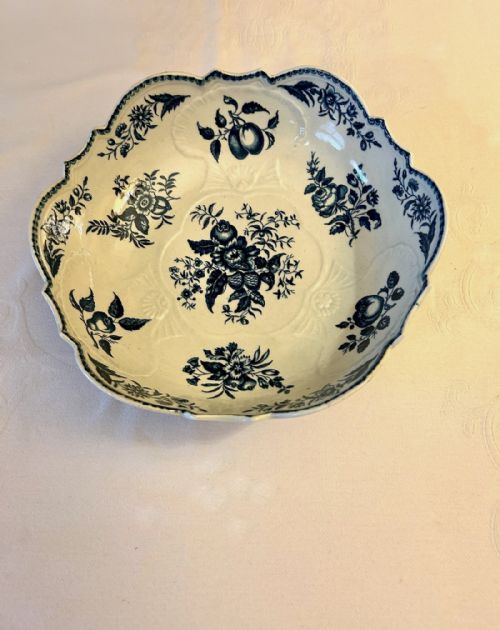
When you examine a dr wall worcester dish, you are looking at eighteenth-century English porcelain produced during the foundational period of the Worcester factory under the direction of Dr John Wall. These items primarily take the form of dessert dishes, pickle dishes, leaf dishes, baskets, and saucer dishes designed for dining tables of the Georgian era. The most common examples encountered on this page feature intricate blue and white underglaze painting, floral motifs, or colourful Chinoiserie scenes.
The objects span from the mid-eighteenth century to the late eighteenth century, representing the early milestones of English ceramic manufacturing. Forms range from simple shell-shaped sweetmeat stands to large lobed dessert plates and circular baskets with openwork sides. Collectors seek these pieces for their combination of utilitarian table use and sophisticated artistic decoration.
Moulded shapes mimic natural forms such as leaves, shells, and pine cones, reflecting the prevailing Georgian taste for nature-inspired tableware. Many pieces incorporate specific decorative patterns like the pine cone design, fancy birds, or peony rock bird motifs. Each form demonstrates the versatility of the Worcester manufactory in adapting oriental styles and European botanical subjects.
How they were made
Potters created these items using soft-paste porcelain, a vitreous composition of white clay, glass frit, and soapstone that yielded a creamy body beneath the glaze. Artisans shaped the paste either by throwing on a wheel or by pressing it into intricate moulds, such as those used for leaf dishes and shell centrepieces. This material absorbed enamel colours and underglaze cobalt with a characteristic softness that distinguishes early Worcester work from later hard-paste porcelain.
Decoration relied on hand-painting executed either under the glaze using cobalt oxide or over the glaze using enamel colours and gold leaf. Potters applied a transparent glaze over the body before a high-temperature firing fixed the underglaze blue, while enamel and gilt details required subsequent lower-temperature firings. Scale blue grounds and detailed bird or floral panels demanded steady brushwork from skilled ceramic painters in the factory.
Dr Wall Worcester Dish Retail Price Guide 2026
Typical asking prices for dr wall worcester dish among the pieces listed under this phrase on Sellingantiques today, from the lower quarter to the upper quarter. They describe what is for sale here now, not the wider market.
Listings for this phrase feature pieces from the eighteenth century, incorporating soft-paste porcelain, enamel, gold leaf, and glaze in forms such as dessert dishes, baskets, and pickle pans.
What varies in quality
Quality in these ceramics rests primarily on the crispness of the moulding and the execution of the hand-painted decoration. Top-tier examples display sharply defined leaf veins or shell ribs, paired with meticulously detailed bird panels or floral sprays that show no blurring of the cobalt blue. Lesser pieces may exhibit minor firing imperfections, pooling of the glaze, or hasty brushwork in secondary pattern areas.
The complexity of the palette and the presence of supplementary gilding also separate standard items from superior specimens. Pieces featuring rich enamel grounds, intricate Chinoiserie subjects, or gold leaf embellishments represent the upper tier of eighteenth-century output. The clarity of the porcelain body itself, showing minimal warping from the kiln, further indicates the skill involved in its creation.
Dr Wall Worcester
The Dr Wall Worcester Dish Glossary
- Soft-paste porcelain
- A ceramic body made from a mixture of clay, glass, and soapstone rather than hard kaolin clay. This material fires at a lower temperature and produces a warm, slightly creamy ground beneath the glaze.
- Underglaze blue
- Pigment applied to the ceramic body before the application of a transparent glaze and subsequent firing. This technique protects the blue decoration from wear during daily use.
- Chinoiserie
- European artistic style reflecting Chinese and East Asian motifs. Worcester painters utilised these fantastical landscapes and figures extensively on dessert and saucer dishes.
- Scale blue
- A patterned dark blue enamel ground resembling fish scales, often applied in panels around bird or floral reserves. This technique required exceptional precision from the decorator.
- Sweetmeat dish
- A small tableware vessel intended for serving confections, nuts, or dried fruits at the end of a meal. These often took whimsical forms such as shells or leaves.
Dr Wall Worcester Dish: Frequently Asked Questions
What is a dr wall worcester dish?
It is an eighteenth-century piece of soft-paste porcelain made at the Worcester factory during the proprietorship of Dr John Wall. These items served dining and dessert functions in Georgian households.
They encompass a variety of forms including leaf dishes, pickle pans, baskets, and saucer dishes. Each piece reflects the artistic output of a formative era in English ceramic history.
How were these dishes used originally?
Georgian households utilised these ceramics primarily for serving sweetmeats, desserts, small pickles, or fruits during formal dining courses. Table settings often incorporated matching pairs of shell centrepieces or baskets as decorative centrepieces.
While some functioned as tableware, others remained largely decorative items displayed on sideboards. Their delicate soft-paste bodies meant they were handled with care during dessert services.
How do I identify a First Period Worcester piece?
First Period pieces generally date between the founding of the factory in the mid-eighteenth century and the departure of the original proprietors. Look for soft-paste bodies that display a warm tone under transmitted light and characteristic underglaze blue painting or vibrant enamel colours.
Many bear crescent marks, square seal marks, or disguised numeral marks on the underside. The potting techniques and naturalistic moulded forms like leaves and shells also point to this specific manufacturing era.