

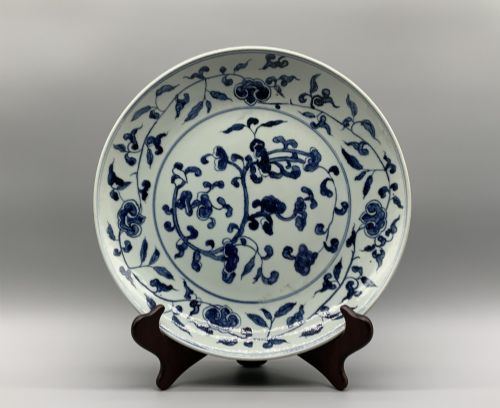
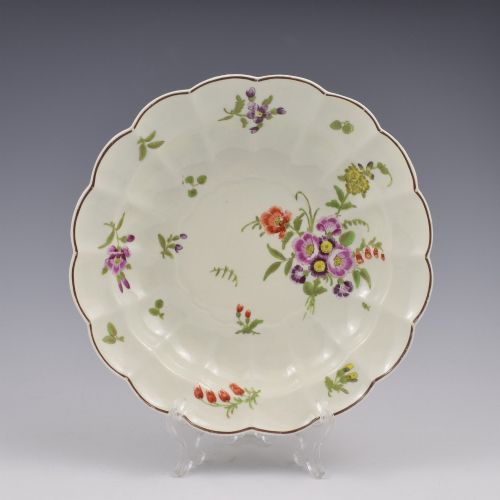
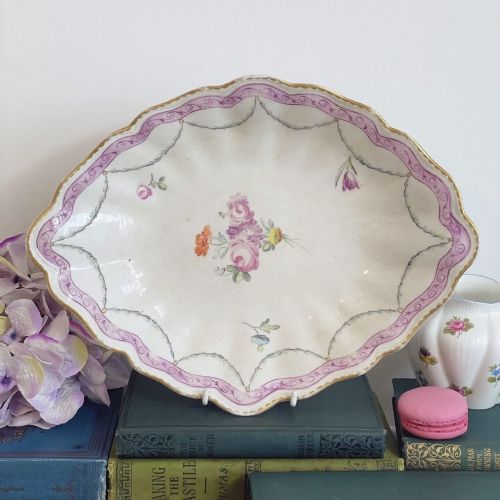

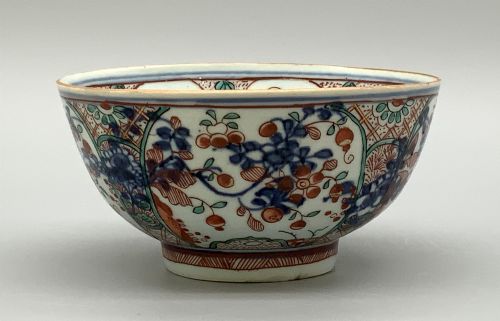
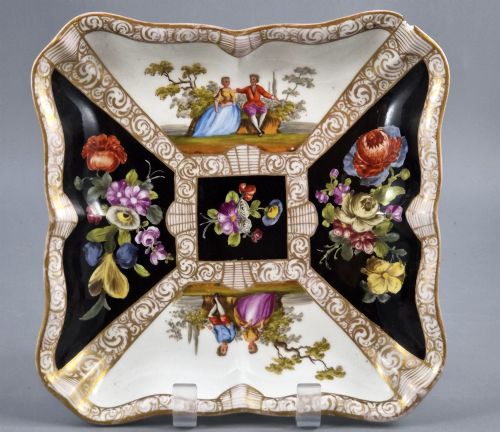
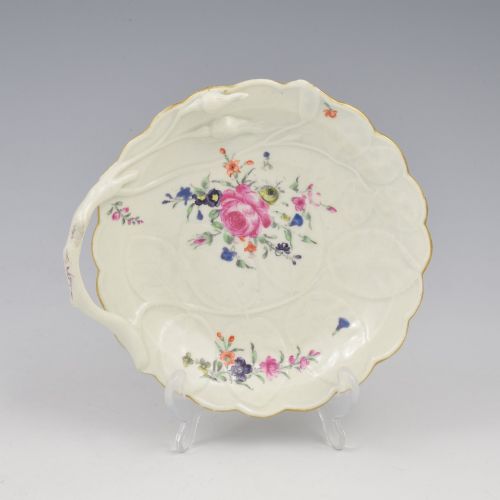

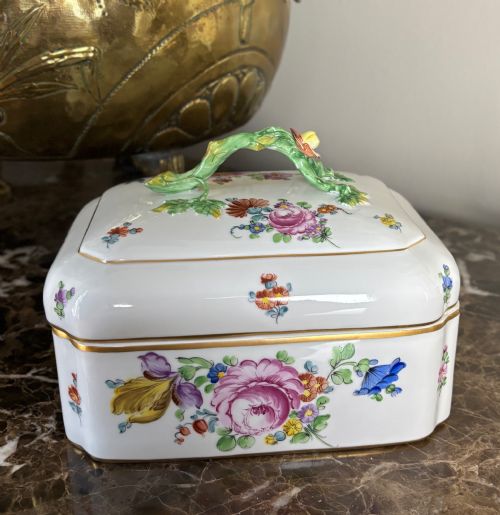
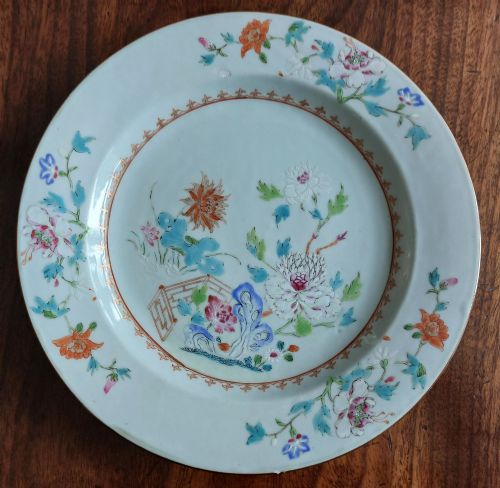

Floral Porcelain Dish
These floral porcelain dish pieces span centuries of ceramic artistry, offering delicate botanical handpainting and rich glaze work to collectors.
Floral Porcelain Dish
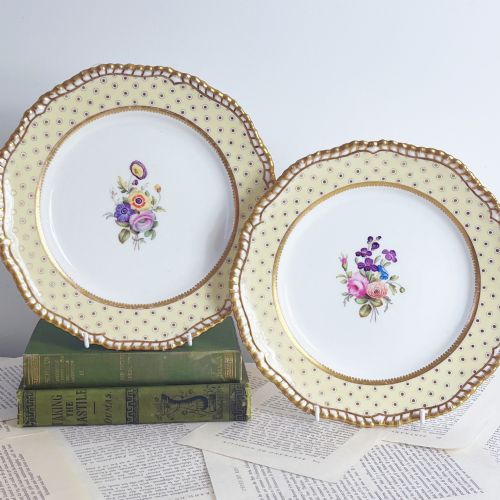
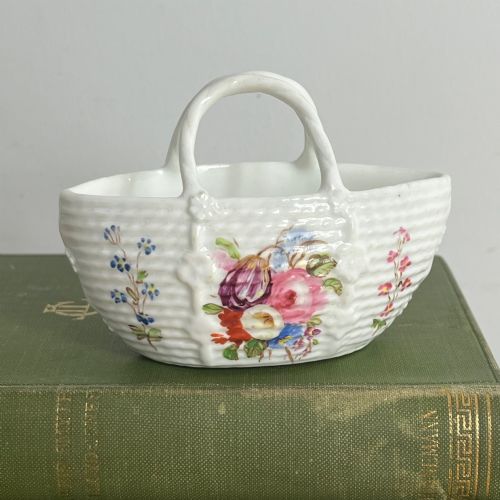
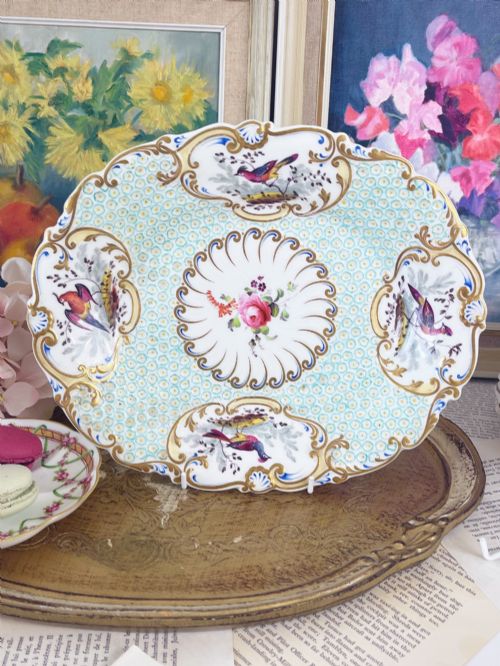
When you search for a floral porcelain dish, you enter a diverse field encompassing serving vessels, cabinet plates, and sweetmeat bowls made across English, European, and Asian kilns. The pieces meeting this description range from eighteenth-century soft-paste porcelain to nineteenth-century bone china and ironstone, taking forms such as lobed bowls, scallop-edged chargers, and miniature baskets.
English factories like Worcester, Derby, and Spode appear frequently alongside continental makers from Meissen and Sèvres, as well as Japanese Imari wares from the Meiji period. Domestic table service items sit alongside decorative cabinet pieces, reflecting both everyday dining traditions and high-status display practices across the 1700s, 19th Century, and 1900 periods.
How they were made
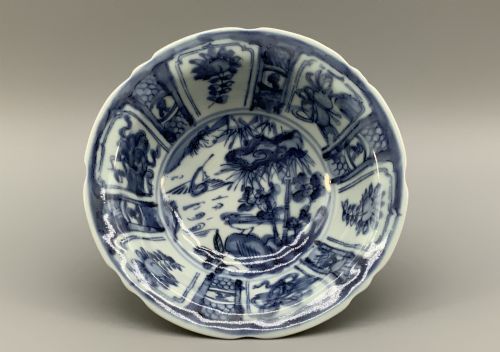
Maker operations relied on refined ceramic bodies, combining porcelain, ceramic, and ironstone shaped into plates, bowls, and dishes. Artisans applied cobalt underglaze pigments before the initial firing, or painted enamel motifs over the glaze in polychrome palettes.
Surface enrichment often involved handpainting botanical subjects alongside the application of gold leaf and gilding. Kiln workers utilised techniques spanning soft-paste formulas, blue and white transfer printing, and intricate hand-finished details.
Listings feature porcelain, enamel, and gold leaf, spanning periods from the 1700s through the Victorian era to 1910.
What varies in quality
The standard of a floral porcelain dish rests on the crispness of its handpainted botanical detail and the sureness of the brushwork across petals and leaves. Superior pieces exhibit precise control over cobalt underglaze or vibrant enamels that remain crisp against the white ceramic ground.
Execution of gilded highlights, whether flat gold leaf or burnished gilding, distinguishes high-tier factory output from ordinary production. The finesse of the moulding, visible in lobed rims and scallop edges, further separates standard wares from exceptional cabinet pieces.
Spode·Flight Barr & Barr·H & R Daniel·Meissen·Royal Crown Derby·Chamberlains Worcester·Limoges·Hicks & Meigh·Sèvres·Edmé Samson & Cie·Royal Doulton·John Davenport·Coalport
The Floral Porcelain Dish Glossary
- Cobalt Underglaze
- Pigment applied beneath the glaze layer before firing, yielding a deep blue tone that withstands high kiln temperatures without fading. This technique defined centuries of fine blue and white porcelain production.
- Soft-Paste
- A glassy ceramic composite fired at lower temperatures than hard-paste porcelain, creating a warm, creamy body common in eighteenth-century European factories.
- Imari
- A decorative style originating in Japan, characterised by a palette of iron red, cobalt blue, and gold applied to porcelain surfaces.
- Enamel
- Opaque vitreous colours fused to the ceramic surface during a secondary, lower-temperature firing to provide rich botanical palettes.
- Gilding
- The application of gold leaf or powdered gold mixture to ceramic rims and motifs, enhancing the decorative status of the dish.
Floral Porcelain Dish: Frequently Asked Questions
How do I care for antique porcelain?
Wash these pieces gently by hand in warm water using mild soap, avoiding dishwashers and abrasive sponges entirely.
Store them securely on flat surfaces or use coated plate hangers for display to protect the glazed and gilded rims.
Are these dishes safe for food?
Older ceramic pieces, particularly those from the eighteenth and nineteenth centuries, often feature lead-based glazes or vulnerable enamels that unsuitable for modern dining.
Collector items serve best for display, cabinet exhibition, or dry presentation rather than active daily use with acidic foods.
How do I date an antique dish?
Examine the base for factory marks, painted ciphers, or impressed numbers that correspond to known operational periods of the kiln.
Consider the weight of the ceramic body, the characteristics of the glaze pooling, and the painting style to narrow down the decade of production.
What is the difference between soft-paste and hard-paste?
Soft-paste porcelain contains glass and clay substitutes fired at moderate temperatures, resulting in a slightly softer body with a creamy translucent appearance.
Hard-paste porcelain utilises true petuntse stone and kaolin fired at extreme heat, producing a denser, completely vitrified material that resists scratching.