


Distressed Painted Dining Chairs
These distressed painted dining chairs bring together centuries of provincial craftsmanship, worn surface finishes and varied seating forms for the modern dining room.
Distressed Painted Dining Chairs
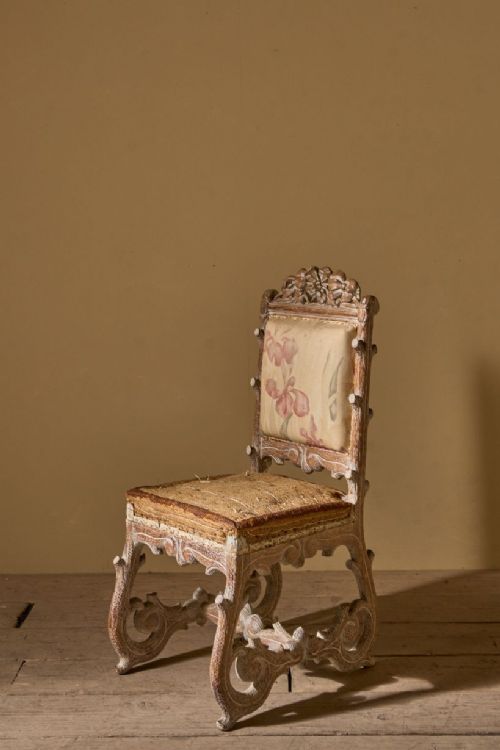
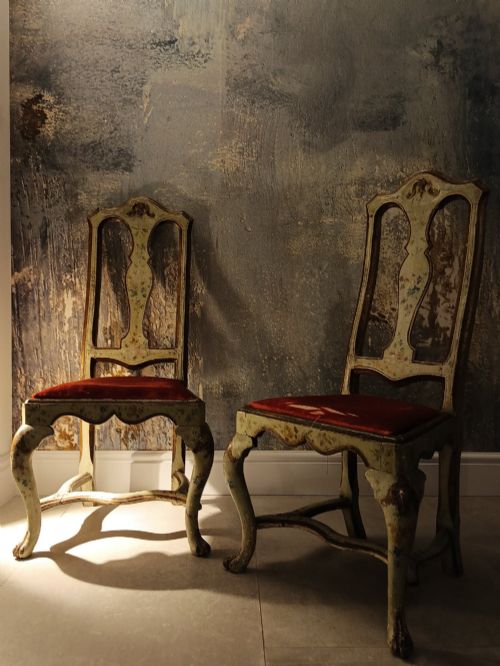
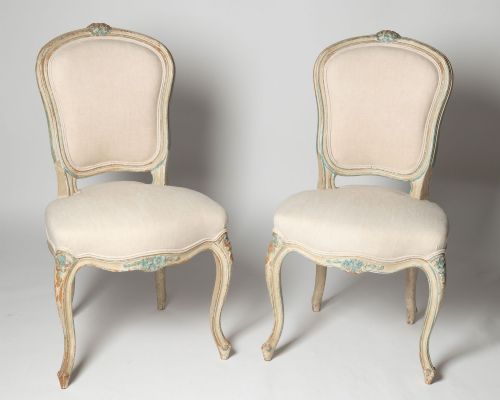
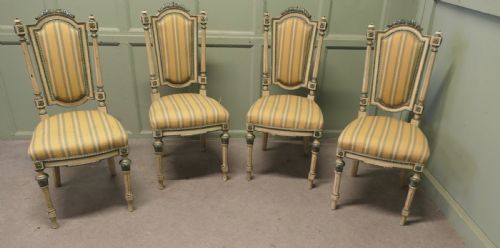
Distressed painted dining chairs encompass a broad selection of antique seating forms, ranging from country side chairs and armchairs to larger matched sets designed for the table. You will frequently encounter French, Gustavian, Italian and English pieces shaped by regional traditions across the eighteenth and nineteenth centuries.
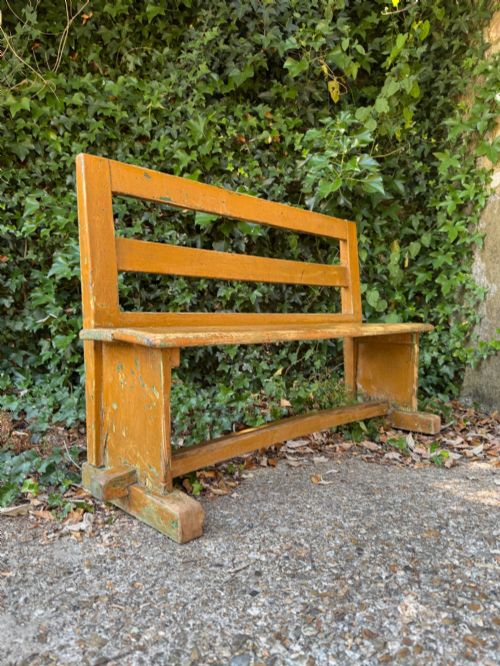
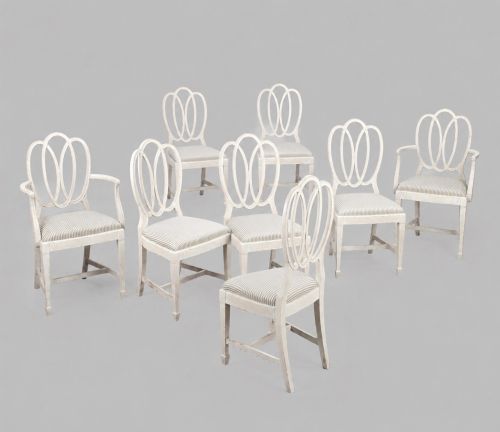
The inventory on this page demonstrates various seating configurations, including side chairs, salon chairs, benches, and larger sets spanning up to fourteen pieces. Materials range from solid wood and carved timber to painted wood enhanced by rush, plaited straw, or fabric upholstery such as velvet.
Stylistic influences span from rustic country and Victorian chinoiserie to Louis XV, Louis XVI, and Queen Anne interpretations. These seats function practically around a dining table while offering historical decorative character through their aged painted surfaces.
How they were made
Makers constructed these chairs using traditional timbers such as beech, ash, and pine, often shaped through turning, carving, and joinery methods appropriate to each period. Structural integrity relied on robust joints like mortise and tenon, alongside sturdy frames designed to withstand daily dining use.
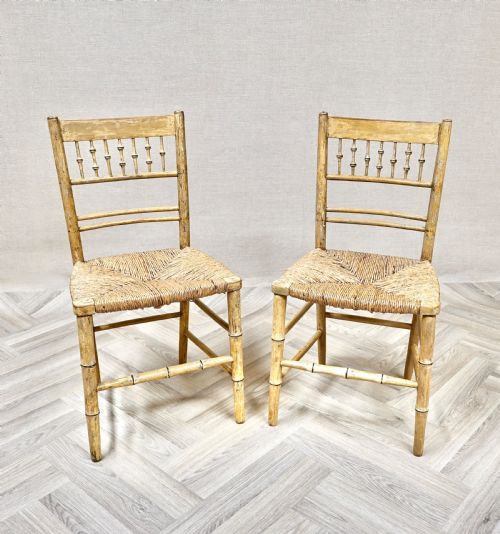
Surfaces received layers of paint, lacquer, or faux bois finishes, which naturally aged, chipped, and wore down over decades of use. Seats were frequently completed with woven materials like rush and súgán plaited straw, or upholstered using traditional stuffing methods covered in fabrics such as velvet.
Even chairs intended for formal salons occasionally turned up in rustic Irish farmhouses wearing layers of humble green paint.
What varies in quality
Quality in these chairs rests upon the integrity of the original timber frame, the harmony of the proportions, and the authenticity of the surface patina. Pieces retaining their early or original painted layers display a depth of finish that later decorative painting rarely replicates.
The completeness of a matched set heavily influences desirability, particularly when dealing with larger groupings of eight or more chairs. Refined carving details, such as those found on Gustavian, Rococo, or George III examples, distinguish sophisticated urban commissions from simpler provincial work.
The Distressed Painted Dining Chairs Glossary
- Faux bois
- A decorative painting technique imitating the natural grain and texture of wood. This finish was frequently applied to nineteenth-century seating to give standard timbers the appearance of more exotic woods.
- Gustavian
- The Swedish interpretation of French neoclassical design, characterised by restrained carving and light, pale painted finishes. These chairs often feature fluted legs and symmetrical oval or rectangular backs.
- Súgán
- An Irish term for twisted straw or hay used to create resilient woven seats. Traditional chairs utilising this method often pair ash frames with organic cordage.
- Yoke-back
- A distinctive chair back rail shaped to resemble an ox yoke, seen in various regional and traditional designs. This upper rail curves gently to support the sitter and provide structural strength.
- Rococo
- An ornate design style originating in France, marked by asymmetrical C-scrolls, naturalistic plant motifs, and flowing curves. Italian and French pieces of the eighteenth century frequently display these fluid carved elements.
Distressed Painted Dining Chairs: Frequently Asked Questions
How do I care for antique painted chairs?
Keep painted wooden chairs away from direct sunlight and dramatic temperature fluctuations to prevent the aged finish from flaking further or the timber from splitting.
Dust them gently with a dry, soft cloth and avoid harsh chemical cleaners that might strip the historic layers of paint or lacquer.
Are mismatched chairs suitable for a dining table?
Mixing different styles, such as pairing rustic country side chairs with formal salon chairs, creates an eclectic interior scheme rooted in historical precedent.
Ensure the seat heights align reasonably well with your dining table to maintain comfortable posture during meals.
What is a faux bois finish?
Faux bois is an artistic paint application designed to simulate the natural appearance of wood grain on a solid or prepared surface.
This technique was utilised in the nineteenth century to elevate simpler timbers with decorative surface patterns.
How do I distinguish Gustavian chairs from French styles?
Gustavian pieces generally exhibit a more restrained, geometric Swedish elegance compared to the more elaborate curves found in Louis XV and Italian Rococo furniture.
They typically feature paler painted surfaces and subtle neoclassical motifs rather than heavy gilding or excessive ornamentation.
Can I use rush seat chairs daily?
Traditional rush and plaited straw seats possess natural flexibility and strength designed to support daily seating requirements.
Avoid exposing them to excessive moisture, which can cause the organic cordage to weaken or rot over time.