




Grey Painted Dining Chairs
Grey painted dining chairs bring understated charm and tonal depth to a room, offering both practical seating and distinct period character.
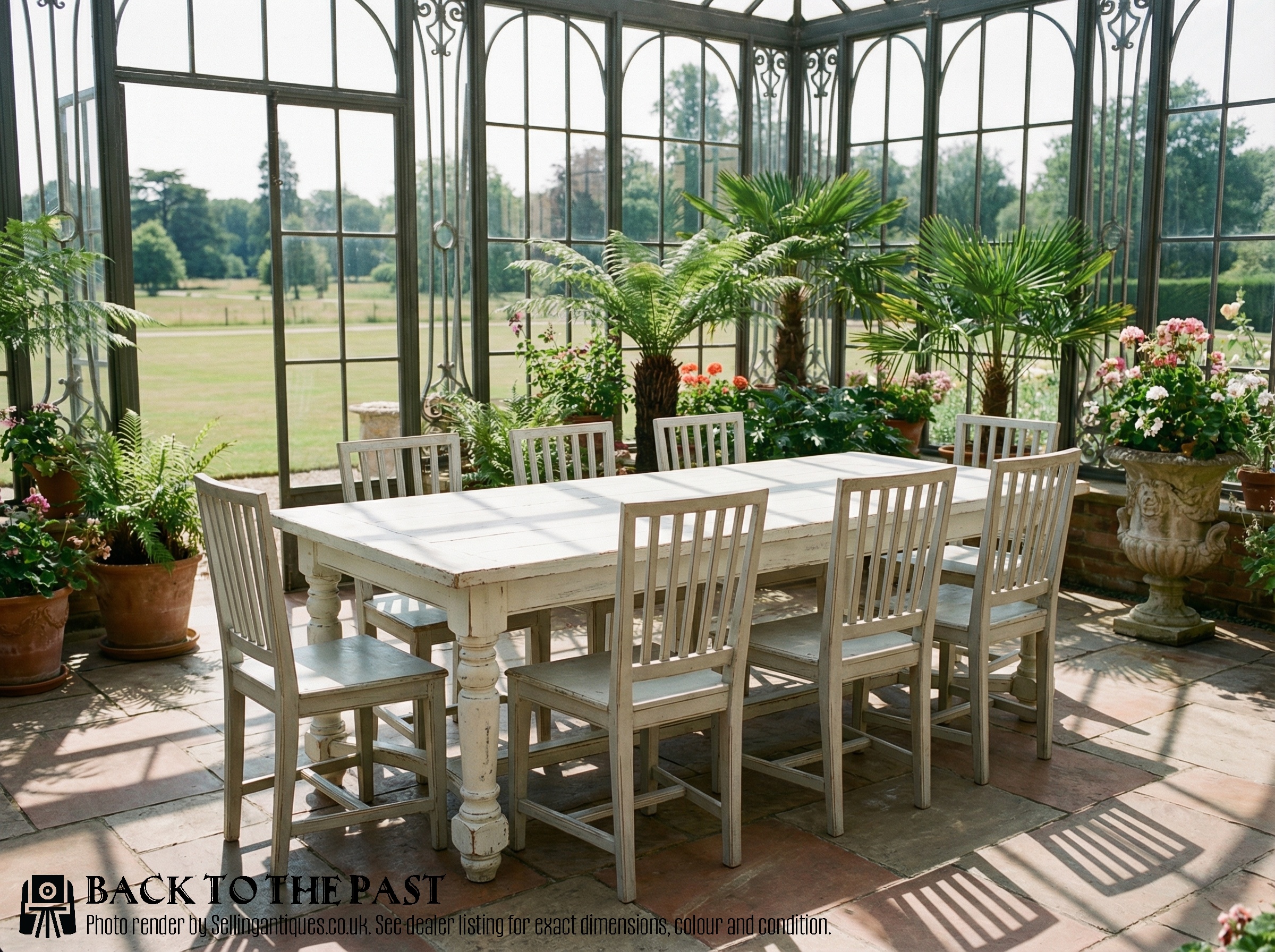
What grey painted dining chairs are
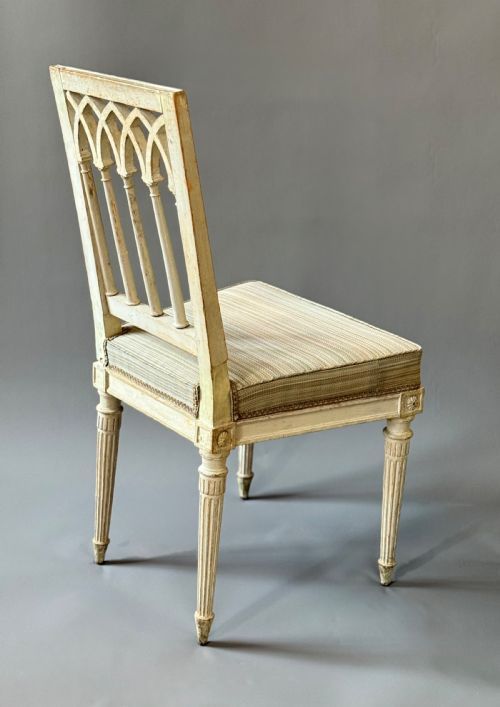
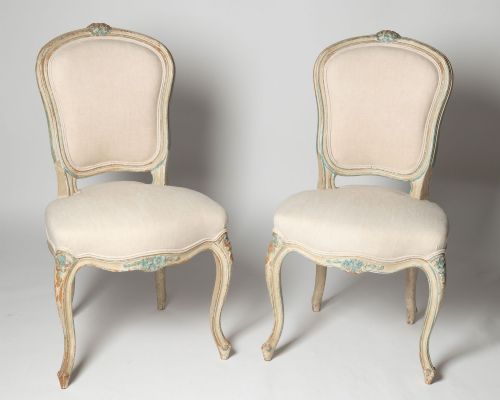
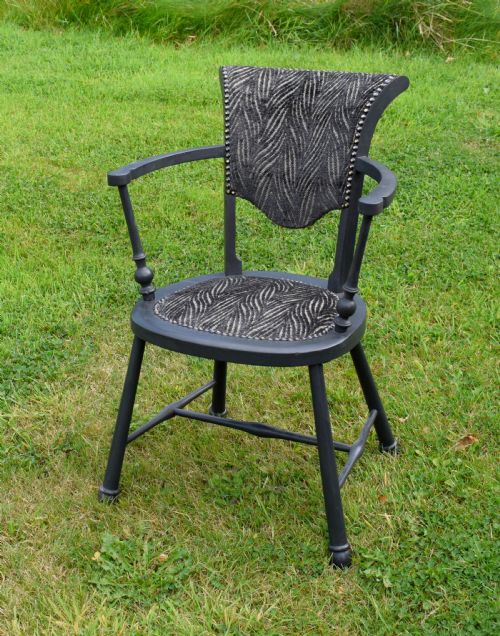
Grey painted dining chairs span multiple eras, including pieces from the nineteenth century, the Edwardian period, and the 1920s and 1930s. Buyers searching for grey painted dining chairs encounter various stylistic influences, notably French Provincial, French Chateau, Gustavian, and Queen Anne Revival designs.
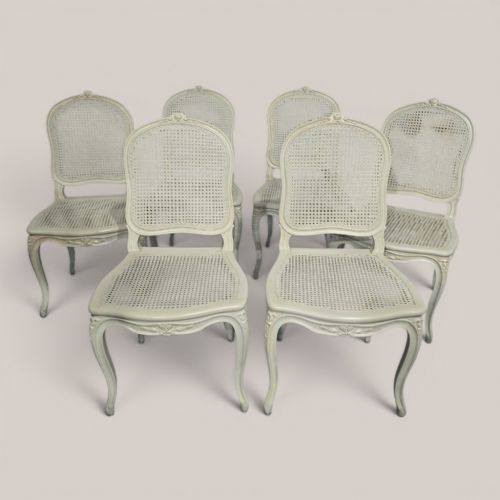
Sets range in size from six to eight pieces, making them suitable for larger dining tables. The forms include standard dining configurations alongside bergere models with woven cane panels and carved oak versions reflecting regional British furniture traditions like Derbyshire.
How they were made
Construction relies on traditional timber frames, with oak and various carved woods forming the structural foundation. Skilled joinery secures the components, while surface finishes apply paint directly over the wood to achieve the characteristic grey tone.
Upholstery and seating surfaces incorporate textile, fabric, and rattan cane. Craftspeople weave natural cane tightly into chair backs and seats, while upholstered pads utilise traditional stuffing and textile covers.
Retail Price Guide 2026
Typical UK retail prices for grey painted dining chairs, calculated from the Sellingantiques database of over a million retail prices indexed since 2003. This retail price guide relies exclusively on Sellingantiques data; no external sources or auction records are used, so the figures do not describe the wider market.
Listings feature oak, painted wood, and rattan cane across pieces dated from the nineteenth century to the 1930s.
What varies in quality
Quality rests in the integrity of the original wooden frame and the precision of the carving work. Pieces displaying deep, hand-carved details or refined regional characteristics command greater interest than plain or heavily restored frames.
The application and age of the paint surface also determine distinction. Original or layered historical paint finishes hold more character than recent commercial overpainting, while intact rattan cane and sturdy joinery separate superior examples.
The Grey Painted Dining Chairs Glossary
- Bergere
- A type of enclosed upholstered armchair or dining chair featuring wooden frames and woven cane panels. This French seating style often incorporates exposed carved woodwork.
- Gustavian
- The Swedish interpretation of French neoclassical design, characterised by restrained carving and pale painted finishes. This style favours functional elegance and muted colour palettes.
- Derbyshire
- A regional style of seventeenth-century English chair design, later revived, known for distinctive carved back rails and turned wooden supports. These chairs make heavy use of solid oak.
- Rattan Cane
- A material woven from the peeled outer bark of climbing palms, utilised for flexible and breathable chair seats and backs. It requires careful hand-weaving techniques.
Frequently Asked Questions
What periods do these grey chairs come from?
The available pieces originate from the nineteenth century, the Edwardian era, and the 1920s and 1930s. They encompass various stylistic revivals and regional traditions.
Dates range from specific decades like nineteen-ten and nineteen-twenty to broader nineteenth-century classifications.
Are these chairs sold in sets?
Yes, the listings comprise sets ranging from six to eight matching dining chairs. This makes them practical for outfitting full dining tables without mixing styles.
Buyers find sets numbering six chairs, six bergere chairs, or larger groupings of eight.
What materials are used in these chairs?
Construction primarily involves timber, specifically oak and carved wood, finished with paint and protective coatings. Seating elements incorporate fabric, textiles, and rattan cane.
The combination of solid wood frames and woven cane or upholstered pads defines the material makeup.
What design styles are represented?
The selection includes French Provincial, French Chateau, Gustavian, and Queen Anne Revival aesthetics, alongside English regional styles like Derbyshire.
These design traditions reflect continental European influences as well as British cabinetmaking history.