





French Provincial Dining Chairs
French provincial dining chairs bring rustic charm to a room, offering sturdy timber frames and classic rush or upholstered seats.
What French provincial dining chairs are
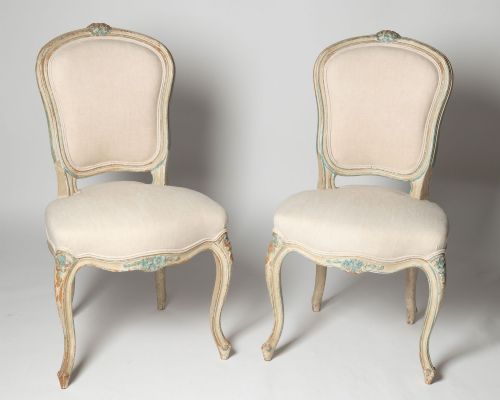
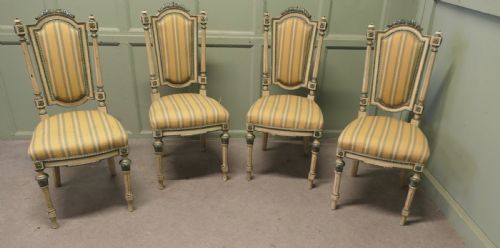
French provincial dining chairs are traditional seating options originating from regional France, prized for their rural elegance and practical design. When searching for French provincial dining chairs, buyers encounter sets ranging from four to twelve pieces, often suitable for larger gatherings.
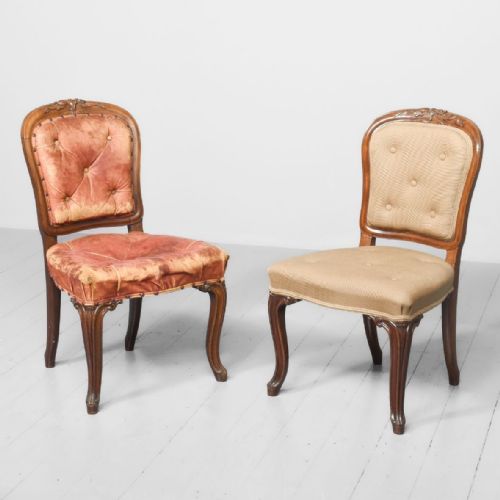
The selections span the nineteenth century, the Edwardian era, and early twentieth-century decades up to nineteen thirty. Common styles include French provincial, French chateau, and Louis XV style variations.
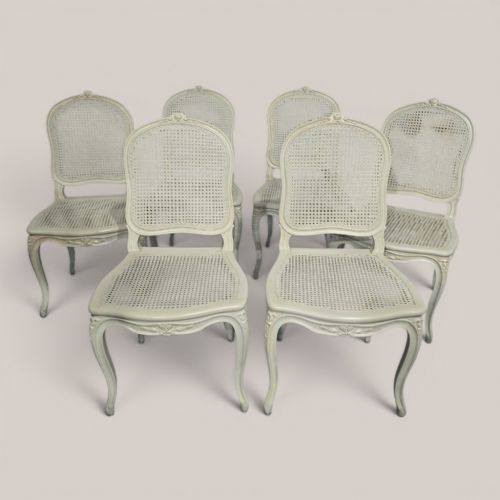
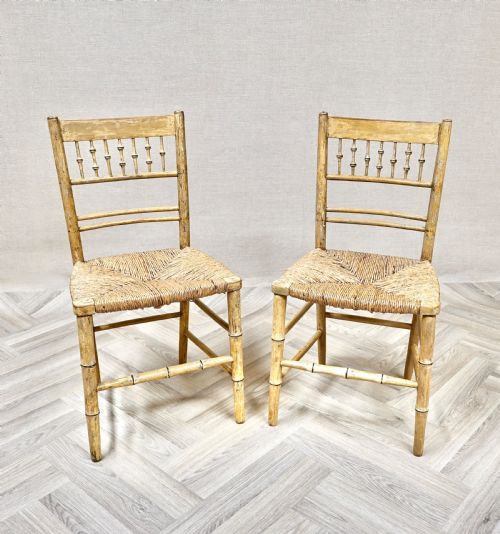
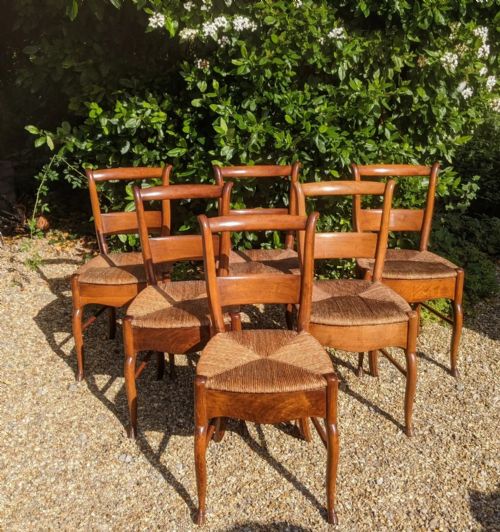
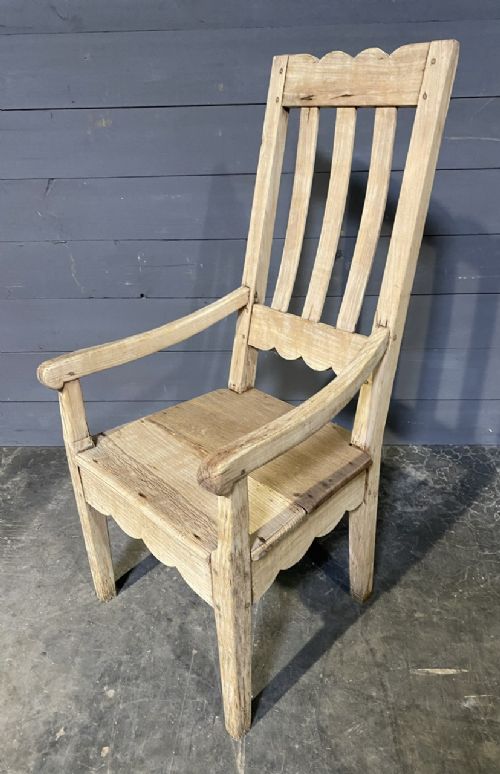
Forms include ladder back chairs, high back chairs, bergere chairs, and spindle back kitchen dining chairs. Materials and construction reflect regional traditions, utilising timber frames combined with rush, rattan cane, fabric, painted wood, or brass details.
How they were made
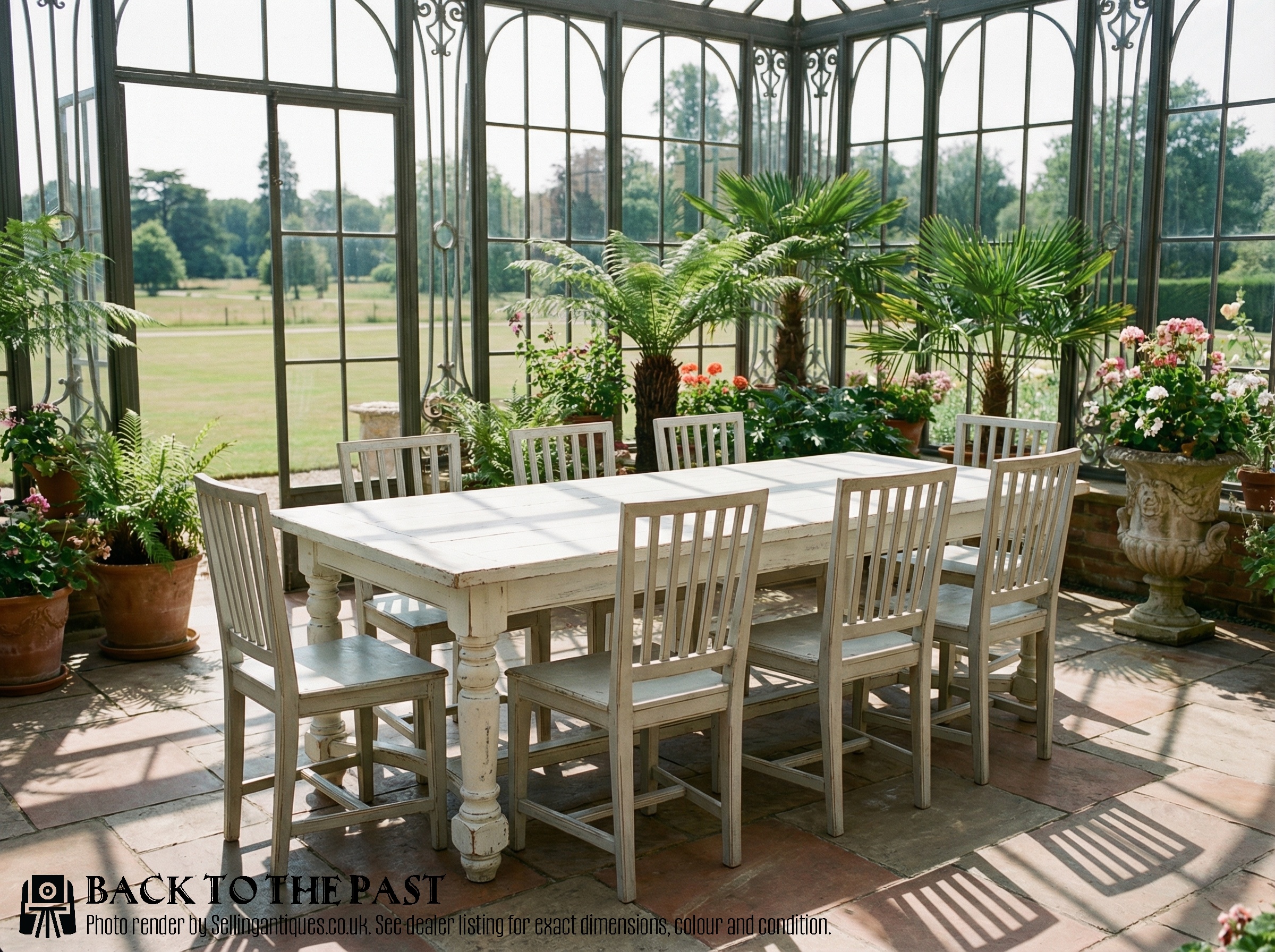
These chairs rely on solid timber construction, utilising woods such as oak, fruitwood, walnut, beech, and general timber. Craftsmen shaped these materials into robust frames, sometimes applying a grey painted finish or preserving the natural grain of the wood.
Seats incorporate traditional techniques including woven rush and rattan cane, alongside upholstered fabric cushions. Additional detailing includes carved wooden elements, hoof feet, and brass accents.
Ladder backs and spindle backs are constructed with fitted wooden stretchers and vertical slats to provide structural support for daily use around the dining table.
Retail Price Guide 2026
Typical UK retail prices for french provincial dining chairs, calculated from the Sellingantiques database of over a million retail prices indexed since 2003. This retail price guide relies exclusively on Sellingantiques data; no external sources or auction records are used, so the figures do not describe the wider market.
Listings feature oak, fruitwood, walnut, beech, and painted wood, alongside rush, rattan cane, and fabric seats.
What varies in quality
The condition and tightness of woven rush or rattan cane seats separate standard examples from finer ones. Carved details, such as hoof feet or shaped ladder backs, reflect the level of craftsmanship invested in the individual set.
The French Provincial Dining Chairs Glossary
- Bergere
- An enclosed upholstered armchair with wooden framing, offering comfortable seating with enclosed sides. It appears in early twentieth-century French seating.
- Ladder back
- A chair back featuring multiple horizontal wooden rails resembling a ladder. This style provides robust support in kitchen and dining environments.
- Fruitwood
- Timber derived from fruit-bearing trees such as cherry or pear, valued for its warm tone and smooth grain. It is commonly found in nineteenth-century French seating.
- Rattan cane
- A pliable material woven into open patterns for chair seats and backs. It offers a lightweight yet resilient seating surface.
Frequently Asked Questions
How were these chairs used?
These chairs served primarily as practical seating around dining tables in rural French homes and kitchens.
Their sturdy construction accommodated daily family meals and gatherings, combining utility with regional decorative styles.
How do I live with these chairs?
Living with these pieces involves daily use around the dining table while protecting woven rush or cane seats from excessive moisture.
Regular dusting and careful placement away from direct heat sources help preserve the timber frames and painted finishes.
How do I tell periods apart?
Distinguishing periods relies on observing material treatments, construction methods, and stylistic influences recorded across the nineteenth and early twentieth centuries.
Nineteenth-century examples often display fruitwood or rush, while later pieces from the Edwardian era or nineteen thirty introduce painted finishes and specific regional variations.