








French Provincial Side Chairs
French provincial side chairs bring rustic elegance and timeless seating to any interior through classic carved woodwork and natural rush or fabric seats.
French Provincial Side Chairs
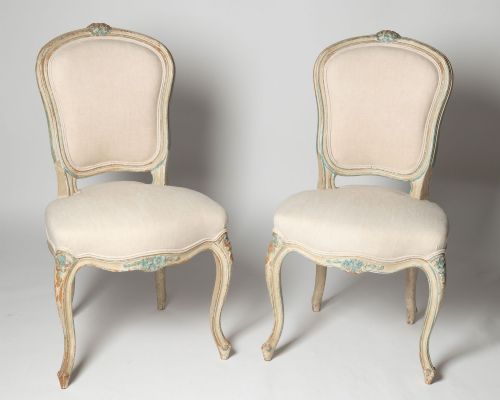
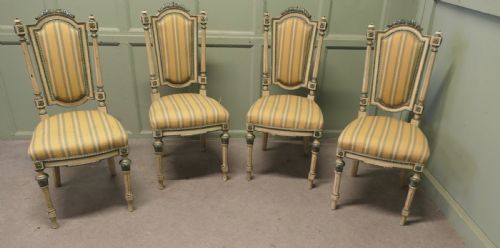
French provincial side chairs encompass a range of dining, salon, and kitchen seating options originating across the nineteenth and early twentieth centuries. These pieces reflect regional European styling influenced by classic periods like Louis XV and the Second Empire.
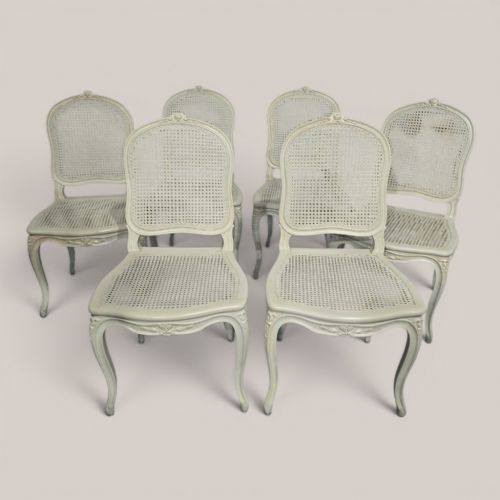
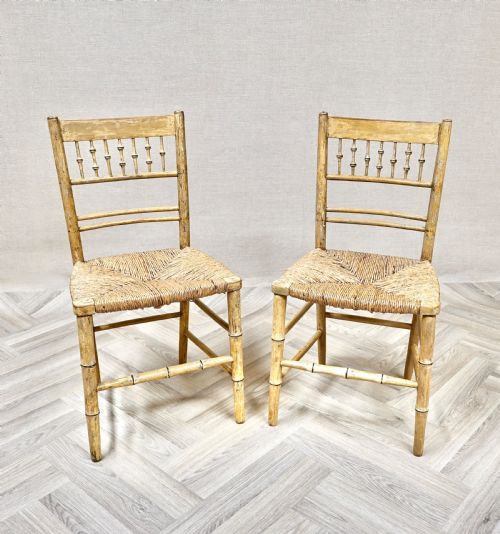
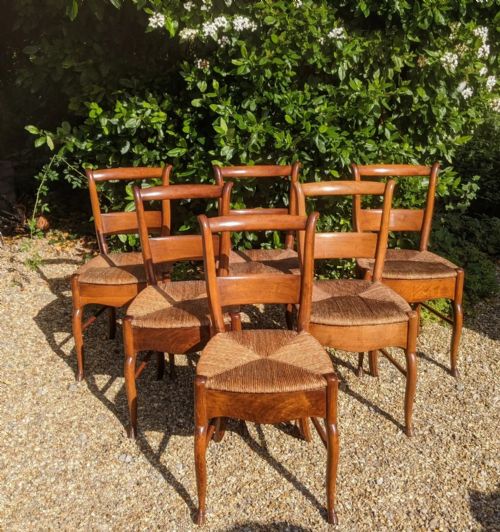
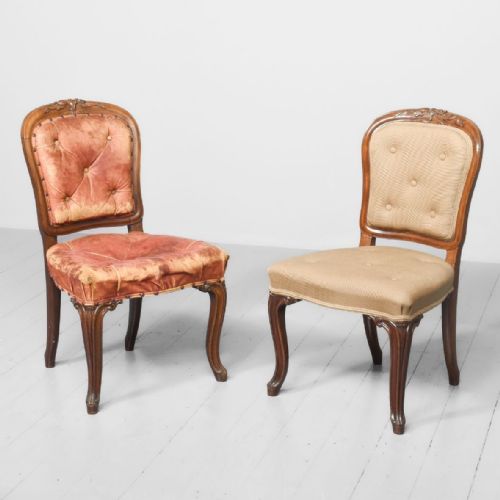
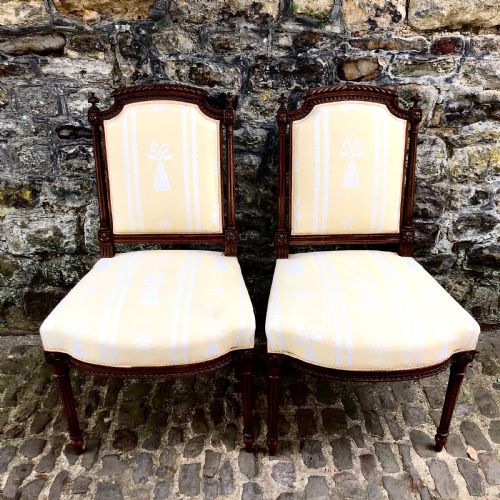
Buyers encountering this selection will frequently find sets and pairs featuring ladder backs, rush or cane seats, and painted or polished timber frames. Common forms include dining chairs and smaller salon chairs designed for versatile domestic placement.
How they were made
Craftsmen shaped these frames from solid timbers such as oak, walnut, beech, and fruitwood, often employing hand carving for decorative details like hoof feet. Structural integrity relied on traditional joinery methods suited to daily use in kitchens and dining rooms.
Seats incorporated woven natural materials like rush and cane alongside upholstered textile pads. Painted and grey finishes were frequently applied to timber surfaces to achieve the characteristic provincial aesthetic.
French Provincial Side Chairs Retail Price Guide 2026
Typical asking prices for french provincial side chairs among the pieces listed under this phrase on Sellingantiques today, from the lower quarter to the upper quarter. They describe what is for sale here now, not the wider market.
The inventory spans the nineteenth and early twentieth centuries, incorporating Edwardian and Victorian examples alongside specific French periods.
What varies in quality
The sophistication of the hand carving and the crispness of the joinery set finer examples apart from simpler utility pieces. Well-preserved original painted surfaces and intact woven rush or cane seats elevate a set's desirability.
Cohesion within larger sets of dining chairs indicates careful original manufacture and unified provenance. The choice of denser hardwoods like oak or walnut generally signifies superior material durability compared to softer woods.
The French Provincial Side Chairs Glossary
- Rush
- A wetland plant material woven tightly to create durable, textured seat pads. It appears frequently on traditional ladder back dining chairs.
- Bergere
- An enclosed upholstered armchair featuring a wooden frame and woven cane sides or back panels. This style offers substantial comfort for a salon or drawing room.
- Ladder back
- A chair back featuring multiple horizontal wooden slats resembling the rungs of a ladder. This vernacular design is common in regional European seating.
- Cane
- Woven rattan strips used to create lightweight, flexible panels for seats and backs. It provides a decorative and airy texture.
- Second Empire
- An ornate French architectural and decorative style spanning the mid-to-late nineteenth century. Pieces from this era often utilise walnut and formal carving.
French Provincial Side Chairs: Frequently Asked Questions
What defines a french provincial side chair?
These chairs are characterised by traditional regional European craftsmanship, often featuring rustic timber frames, hand-carved details, and rush or upholstered seats. They reflect historical styles adapted for domestic dining and parlour use.
Buyers often find them in matched sets or pairs suitable for integration into modern or traditional dining spaces.
How were rush seats constructed?
Rush seating involves twisting dried marsh grasses into strong cords and weaving them tightly around the chair rails in a patterned envelope shape. This technique provides a resilient and supportive surface without requiring solid wood.
Over time, well-maintained rush develops a smooth patina while retaining its structural tension.
Are these chairs suitable for daily dining?
Most of these pieces were originally built for practical domestic use in kitchens and dining rooms, making them robust enough for regular seating. Solid hardwood frames and traditional joinery ensure they handle everyday weight and movement.
Checking the stability of the joints and the tightness of the woven or upholstered seats ensures long-term comfort.
How do I care for antique wooden chairs?
Maintain the timber surfaces by dusting gently with a soft cloth and occasionally applying appropriate beeswax or polish to nourish the wood. Avoid placing them in direct sunlight or near heat sources to prevent the timber and rush from drying out.
Regularly check the legs and stretchers to ensure the frame remains tight and secure.