
Pair French Salon Chairs
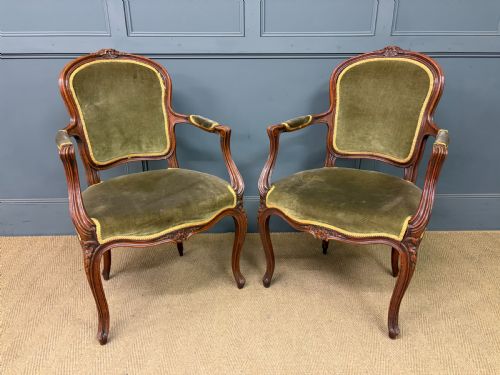
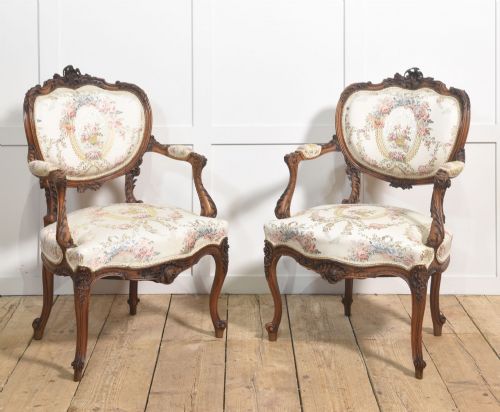
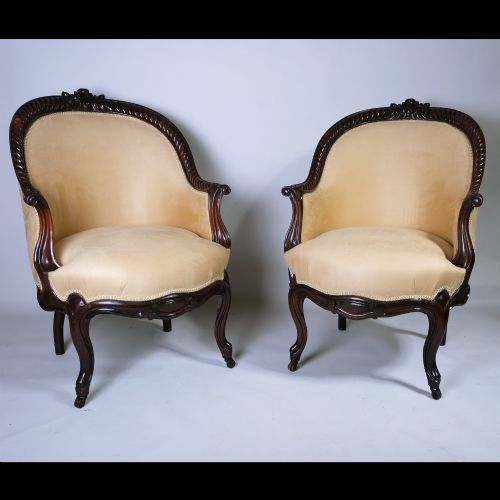
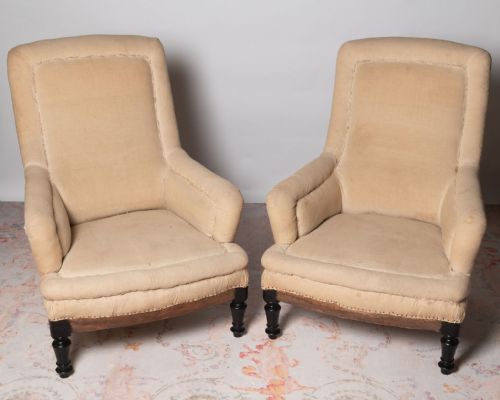
Pair french salon chairs bring formal seating into domestic rooms with carved timber frames and textile covers.
The Form and Style
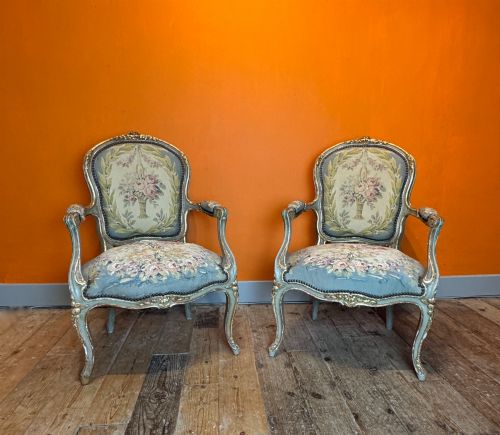
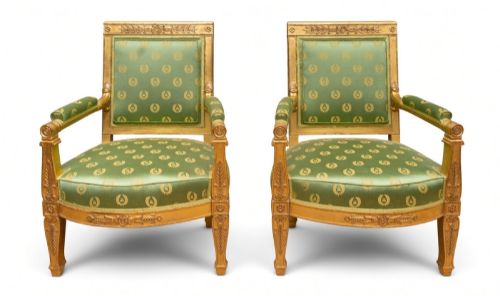
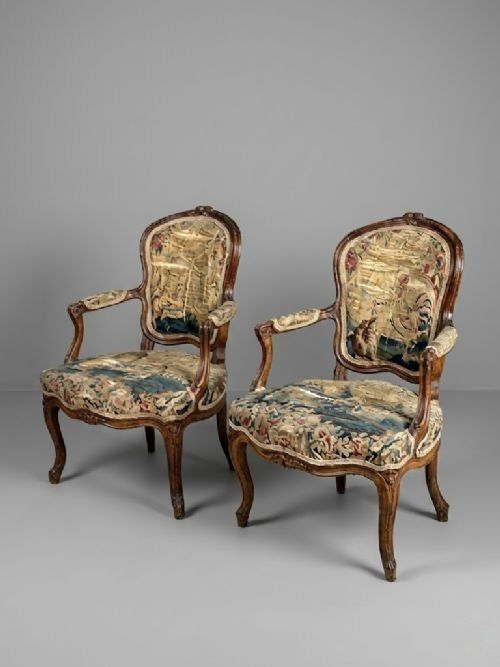
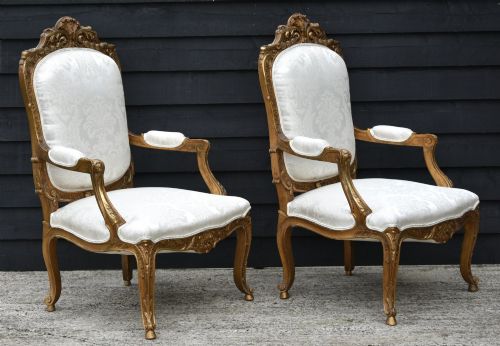
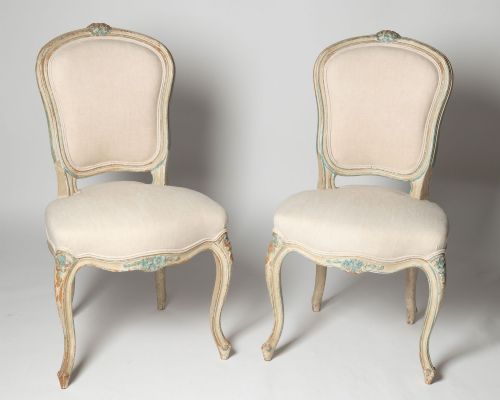
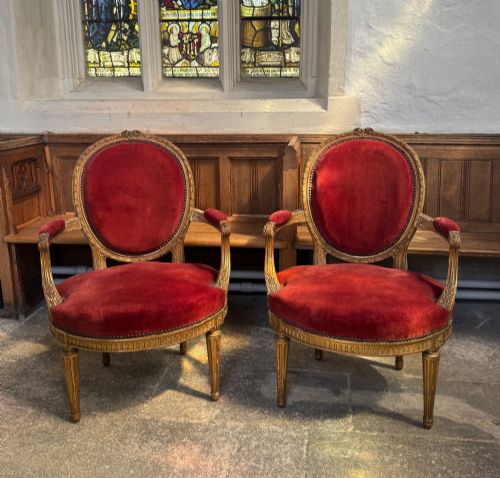
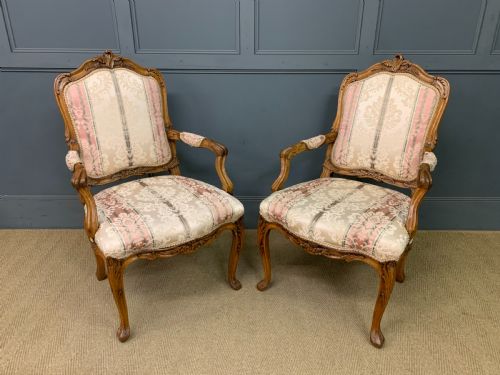
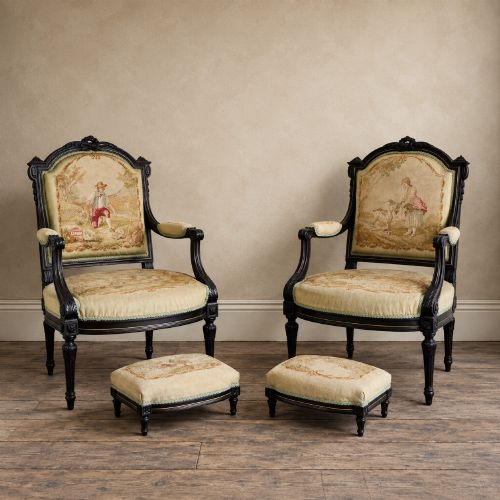
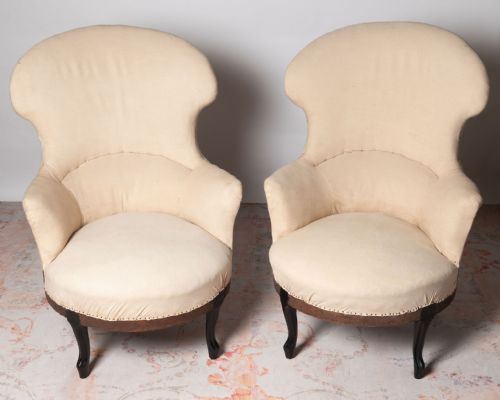
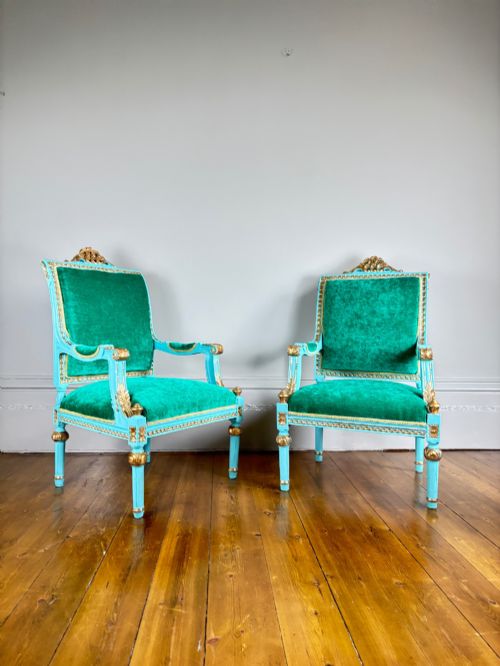
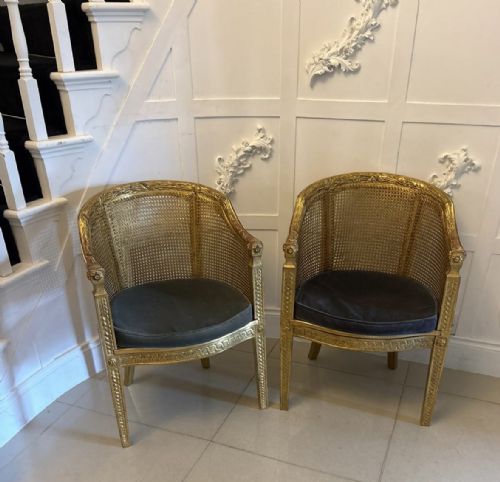
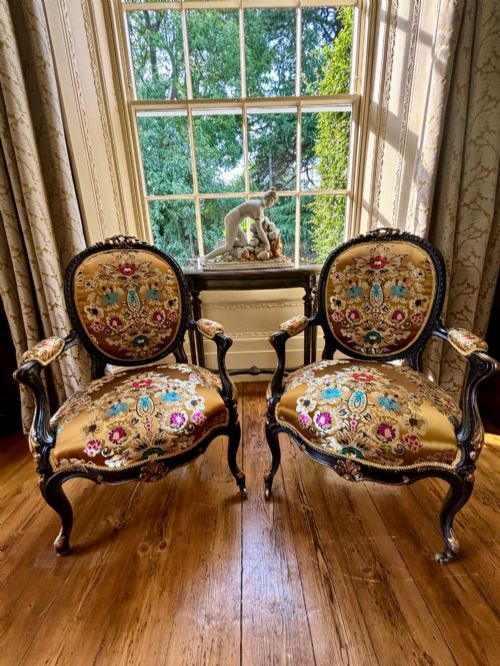
Pair french salon chairs provide matching seats designed for formal reception rooms, appearing in armchairs and side chairs across this selection. These pieces date from the nineteenth century up to nineteen hundred, showing the enduring influence of historic monarchical designs.
Buyers meet interpretations ranging from Rococo Revival and Louis XV style to French Empire, Second Empire, and French Chateau aesthetics. Walnut and beech form the structural timber frames, while giltwood and paint finish the decorative exterior surfaces.
Craftsmanship and Proportion
The depth and definition of the carved wood ornamentation separate standard examples from finer outputs, particularly where floral or scroll motifs meet the frame. Crisp edges on giltwood and solid walnut construction indicate higher workshop standards than softer beech or painted alternatives.
Proportion and stance dictate the visual balance of the matched pair, ensuring both seats share identical dimensions and harmonious lines. Original textiles and period upholstery methods also elevate specific items above later replacements.
Retail Price Guide 2026
Typical UK retail prices for pair french salon chairs, calculated from the Sellingantiques database of over a million retail prices indexed since 2003. This retail price guide relies exclusively on Sellingantiques data; no external sources or auction records are used, so the figures do not describe the wider market.
Childrens salon chairs scale down formal reception seating for tiny aristocrats.
The Pair French Salon Chairs Glossary
- Fauteuil
- An open-armed upholstered armchair with exposed wooden arms. These chairs typify formal French interior seating.
- Rococo Revival
- A nineteenth-century design movement resurrecting eighteenth-century asymmetrical curves and naturalistic motifs. This style heavily influences many carved frames.
- Side chair
- A chair without arms intended for occasional dining or parlour use. These pieces complement larger armchairs within matched sets.
- Textile fringe
- Decorative border threads attached to the lower edges of upholstery. This trim finishes the base of padded seats.
Frequently Asked Questions
Where did these chairs sit?
These seats belonged in formal reception rooms, drawing rooms, and private parlours where guests gathered for conversation.
Their decorative frames and polished timber ensured they contributed to the aesthetic scheme of the room.
How do I clean the wood?
Dust timber frames regularly with a dry, soft cloth to prevent particulate buildup on the carved surfaces.
Avoid liquid polishes or harsh chemical cleaners that might damage historic giltwood, paint, or wax finishes.
Are these chairs comfortable?
Upholstered padding in linen, calico, and fabric provides structured support suited to formal sitting.
Many examples feature sprung bases or buttoned backs designed to offer adequate posture during social calls.
How do I identify the period?
Examine the timber species, carving style, and structural joinery to connect the piece to nineteenth-century manufacturing methods.
Stylistic cues such as Louis XV curves or Second Empire proportions help narrow the date of origin.