
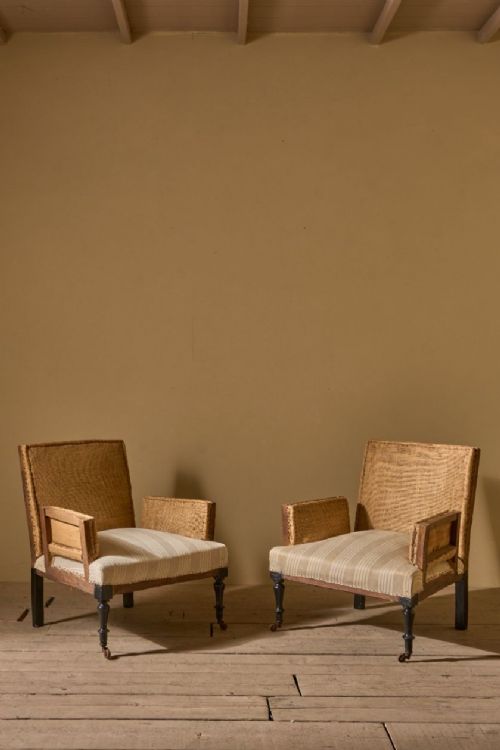
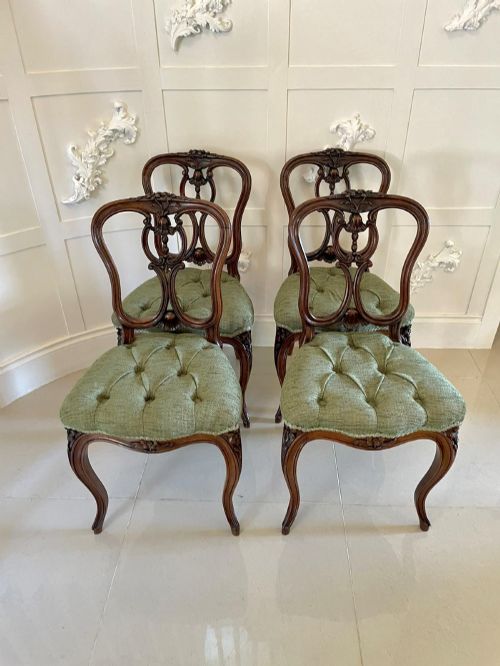

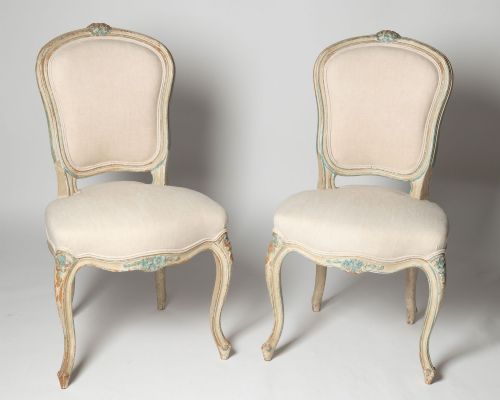
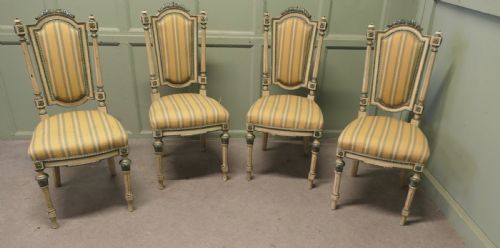


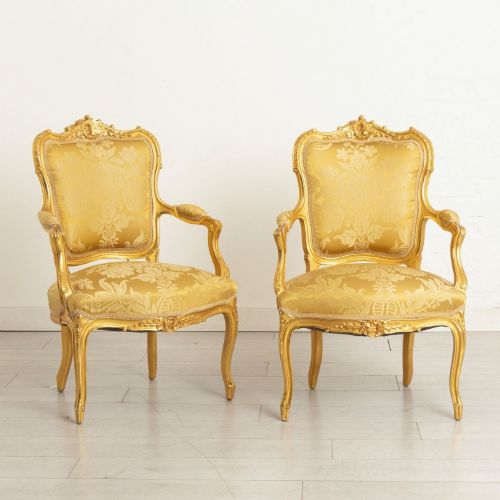
French Upholstered Side Chairs
French upholstered side chairs bring continental elegance to a room, offering practical seating shaped by historic revival styles.
How They Were Made
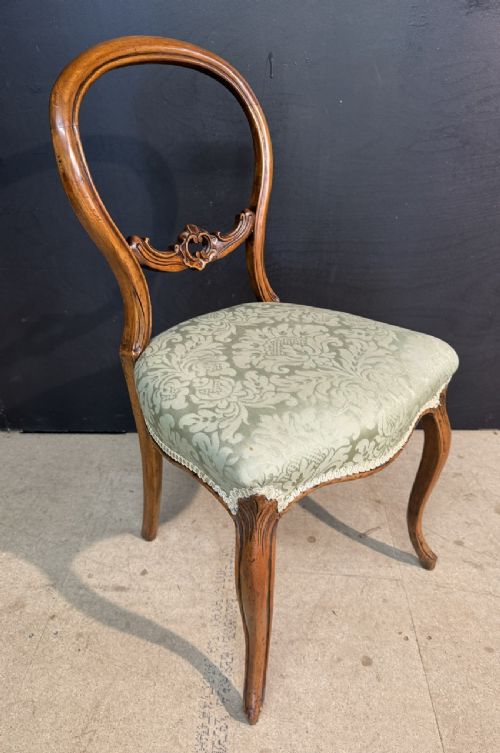
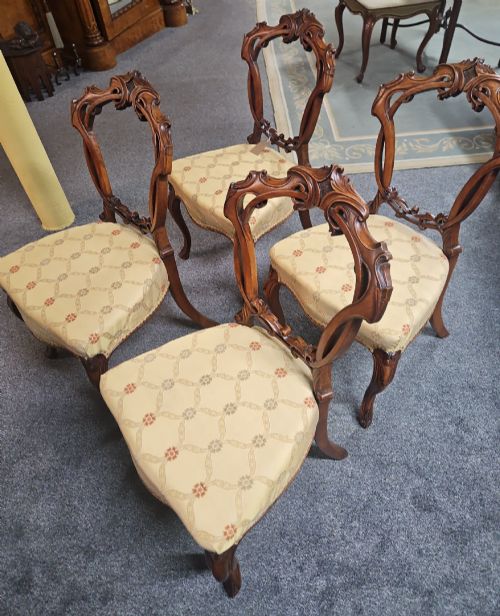
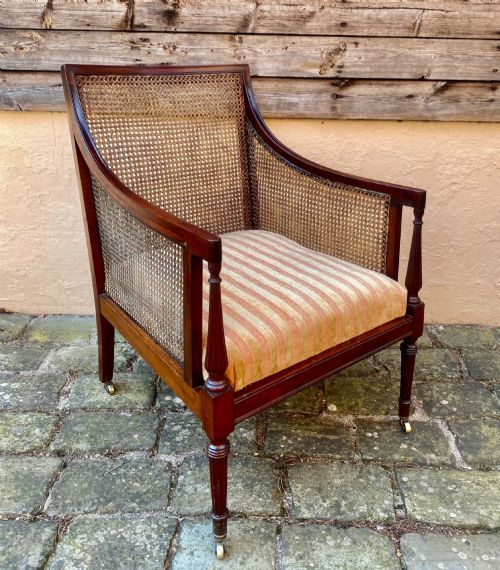
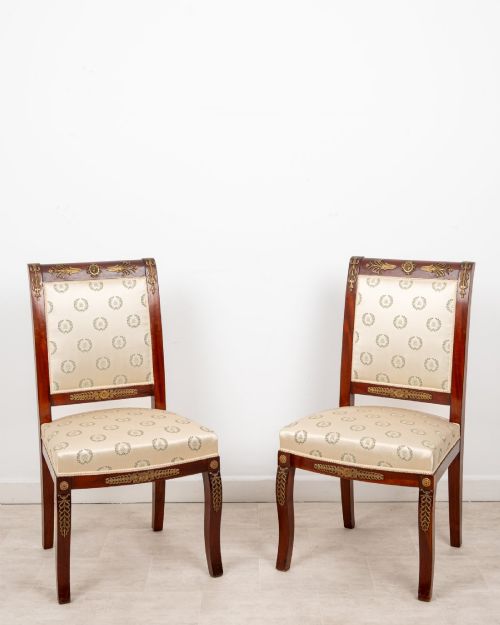
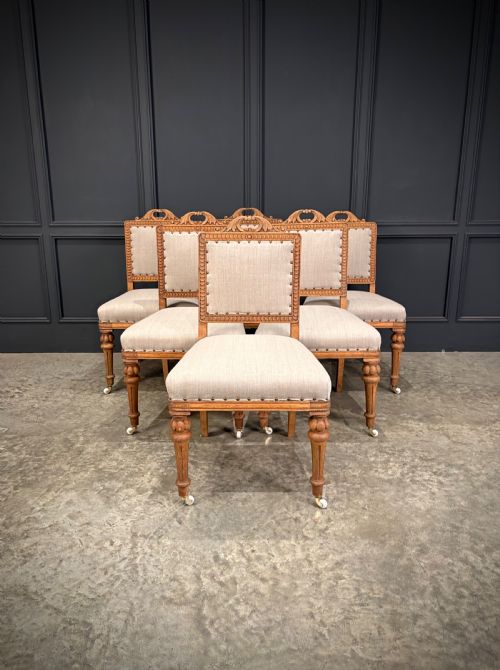
Craftsmen built the structural frames of these chairs using hardwoods such as walnut, mahogany, and oak, alongside giltwood and painted finishes. Joinery relied on traditional techniques to support carved details like cabriole legs, scroll arms, and ormolu mounts.
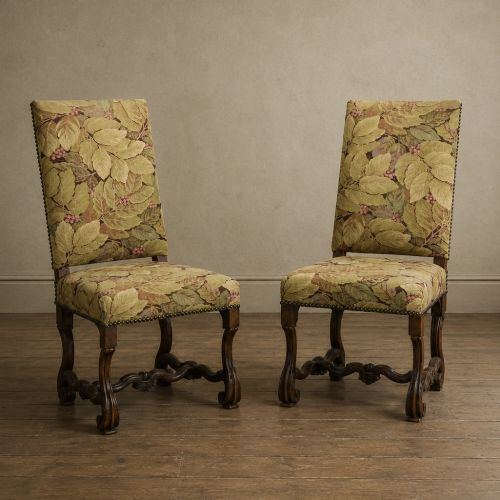
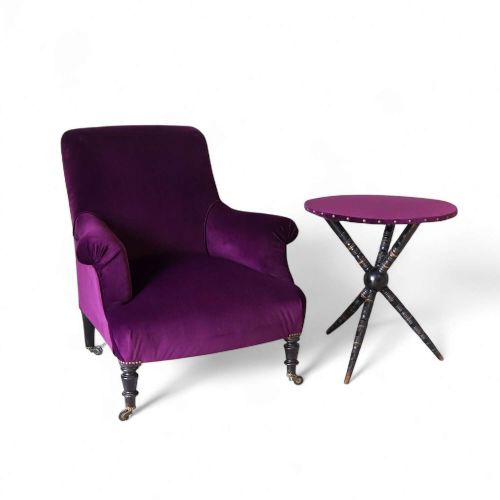
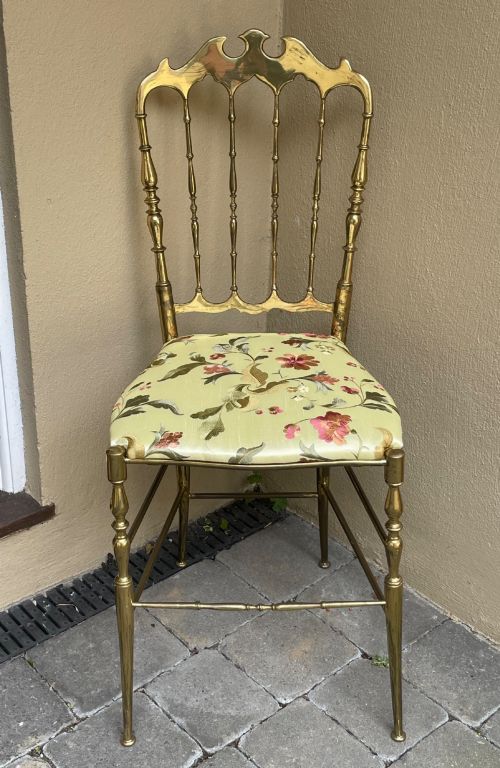
Upholstery techniques incorporated traditional padding materials covered in textiles including silk fabric, velvet, damask, and leather. Brass elements and detailed wood carving completed the decorative scheme of each piece.
What Varies in Quality
The refinement of the wood carving dictates the aesthetic value of the frame, distinguishing deeply hand-carved walnut and crisp giltwood mouldings from simpler linear designs. High-grade examples display fluid lines on cabriole legs and balanced proportions across the entire structure.
The choice and execution of upholstery materials also separate different tiers of pieces. Original or matching silk damask, velvet, and leather upholstery executed with precise trim reflect a higher standard of manufacture than utilitarian coverings.
The furniture spans Victorian, Edwardian, Art Deco, and multiple French revival movements from the eighteenth and nineteenth centuries.
Lamb of Manchester·Morison & Co of Edinburgh
The French Upholstered Side Chairs Glossary
- Cabriole leg
- A furniture leg that curves outward and then tapers inward, typically ending in a pad or scroll foot. This form derives from animal legs and defines many eighteenth-century and revival seating designs.
- Giltwood
- Timber coated with a thin layer of gold leaf or powder. It provides a luminous surface finish popular on formal French salon and boudoir seating.
- Bergère
- An enclosed upholstered armchair with wooden framing exposed around the sides and back. It offers a deep, comfortable seat often paired with a loose cushion.
- Ormolu
- Gilt bronze mounted onto furniture pieces as decorative hardware and trim. The technique adds metallic contrast to mahogany and walnut frames.
- Damask
- A reversible figured fabric woven on a jacquard loom with patterns formed by contrasting warp and weft threads. It frequently appears as formal upholstery on revival dining chairs.
French Upholstered Side Chairs: Frequently Asked Questions
Where should I place French upholstered side chairs?
These chairs suit drawing rooms, bedrooms, and dressing areas where extra seating is required without blocking spatial flow. Their decorative frames allow them to function as standalone accent pieces against a wall or paired beside a desk.
In dining settings, sets of these chairs coordinate around a central table to introduce historic character to a room. Smaller boudoir and salon variants fit comfortably into corners or narrow alcoves.
How do I identify a Louis XVI revival chair?
Louis XVI revival chairs are characterised by straight, tapered legs often featuring fluting, contrasting with the curved lines of earlier styles. Their backs tend to be oval or rectangular rather than rounded.
Carvings on these pieces typically draw on classical motifs such as beading, ribbons, and acanthus leaves. The overall geometry leans towards symmetry and restraint.
What maintenance do antique upholstered chairs need?
Protect the fabric by keeping the chairs out of direct sunlight to prevent fading of silks, velvets, and damasks. Regular gentle vacuuming with a soft brush attachment removes dust from the upholstery crevices.
Condition the exposed wooden frames occasionally with appropriate wax or polish to maintain the finish. Avoid placing them near direct heat sources which can dry out timber and brittle adhesives.
How do I tell nineteenth century pieces apart from later ones?
Nineteenth-century pieces often display hand-carved detailing and traditional joinery methods that show slight individual variations. The patination on walnut and mahogany frames develops a deep warmth over time.
Later Edwardian or early twentieth-century interpretations sometimes utilise machine-assisted cutting techniques and standardised hardware. Examining the underside and the interior construction reveals clues about the period of manufacture.