


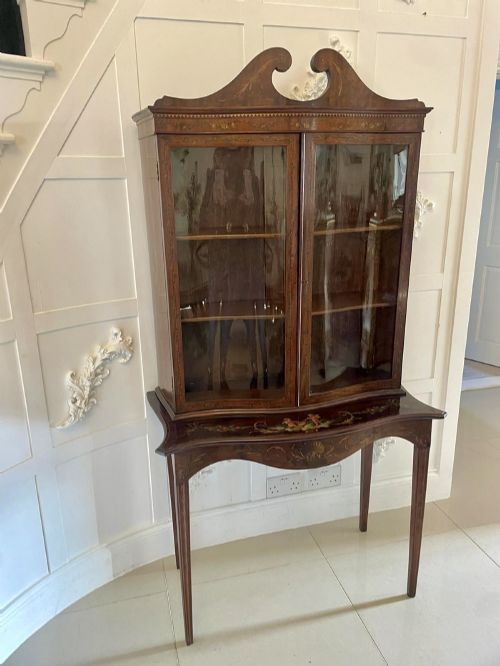
Display Cabinet on Stand
When you search for display cabinet on stand, you seek elevated glazed storage that frames precious objects upon slender supports.
Display Cabinet on Stand
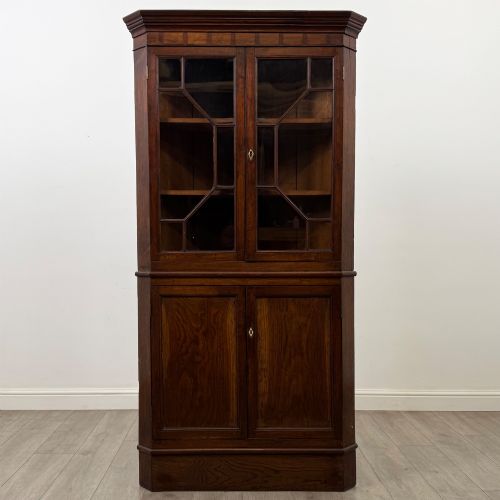
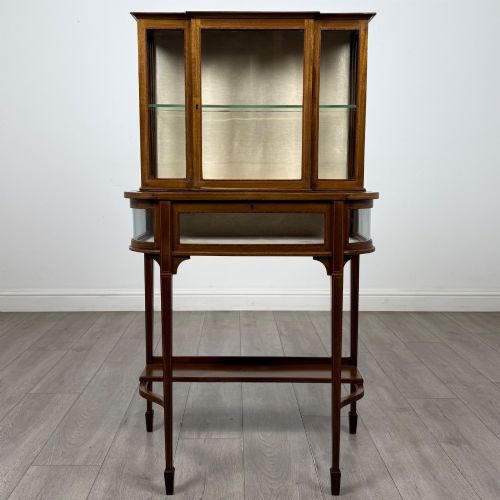
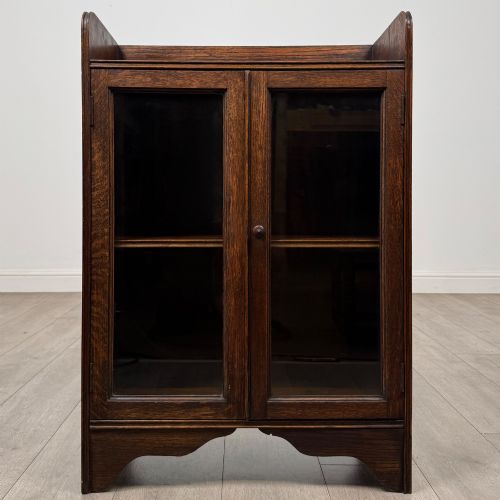
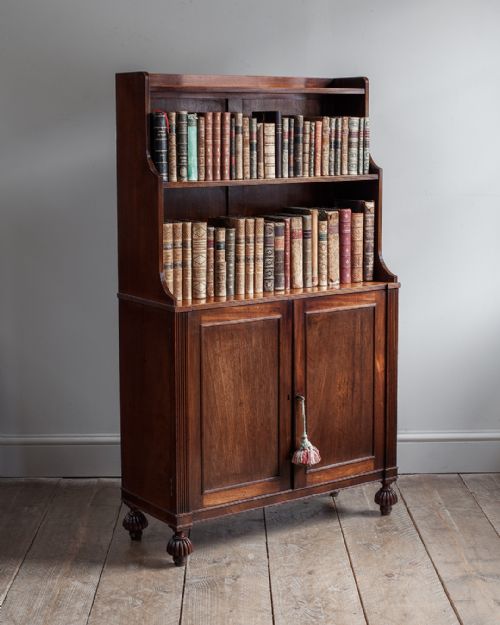
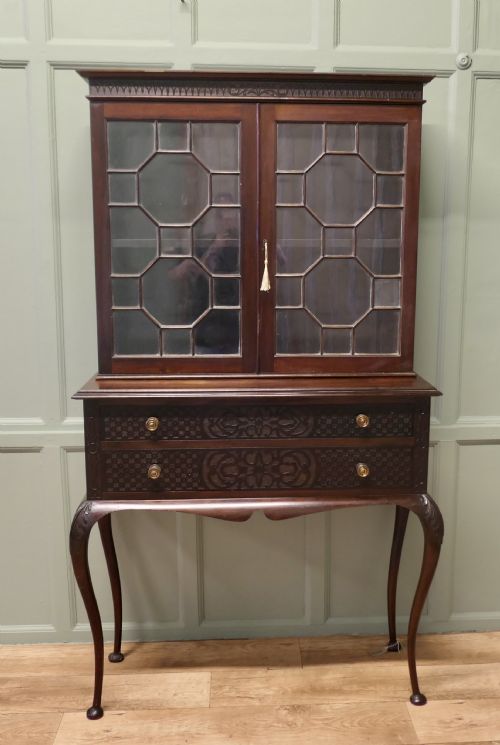
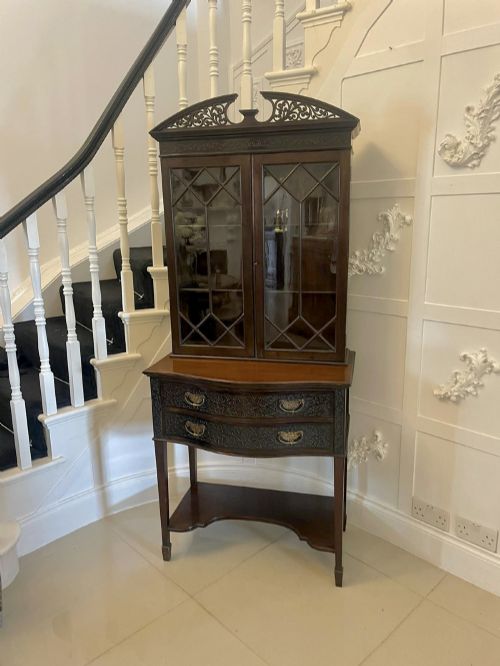
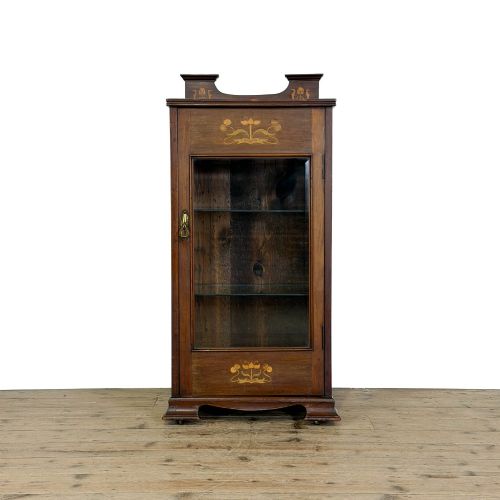
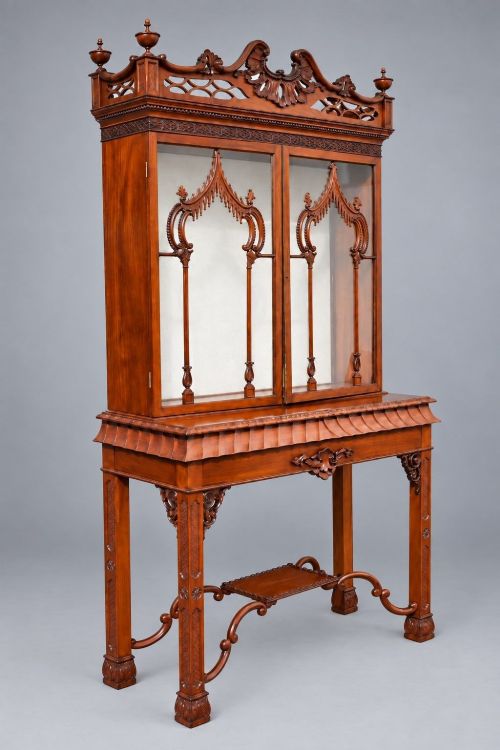
A display cabinet on stand combines an enclosed upper glazed compartment with a distinct lower supporting framework, creating a lighter visual footprint than standard floor-standing furniture. These elevated forms lift collections to eye level, utilising glass panels and wooden framing to showcase porcelain, silver, and curiosities.
The pieces appearing in this selection span the Georgian, Victorian, and Edwardian periods, alongside later twentieth-century interpretations in diverse regional tastes. Makers adapted the form from earlier corner cupboards and pier cabinets, eventually mounting glazed display cases onto dedicated tables, legs, or architectural bases.
Materials and construction
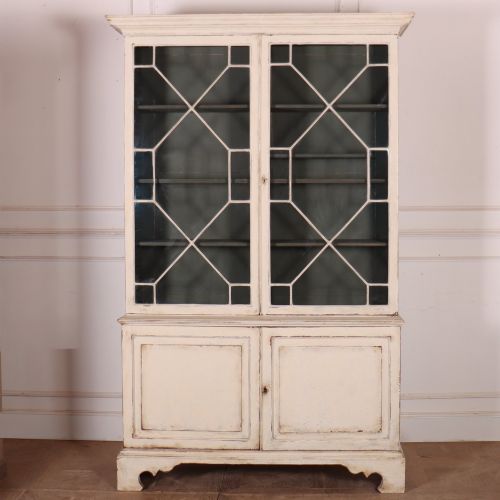
Cabinet makers utilised dense hardwoods such as mahogany, walnut, and oak for the primary structural frames, frequently applying decorative veneers like satinwood, harewood, and burr elm. Exterior surfaces often incorporate marquetry, painted decoration, and brass fittings, while internal shelves rest behind astragal-glazed doors or curved glass panels.
Joinery techniques combined traditional mortise and tenon framing for the structural stands with delicate glazing bars that secured individual panes of glass. Stands range from simple tapered legs and stretchers to elaborate cabriole supports terminating in brass castors or pad feet.
Some miniature stands were originally designed to display only a single prized teacup.
Distinctions in craftsmanship
Quality rests upon the selection of timbers and the precision of decorative inlays, where finely figured grain and meticulous marquetry distinguish superior pieces from utilitarian examples. The integration between upper cabinet and lower stand reveals the maker's hand, particularly in proportion and the harmonious alignment of grain patterns.
Gabriel Viardot·Collinson & Lock·Hobbs & Sons·Edwards & Roberts·Gill & Reigate·Shapland & Petter·Francois Linke·Maples
The Display Cabinet on Stand Glossary
- Astragal glazed
- A method of dividing glass doors into smaller panes using slender wooden mouldings called glazing bars. These intersecting strips create geometric patterns across the front of the cabinet.
- Bijouterie table
- A glass-topped display table or cabinet designed specifically for small valuables, medals, and trinkets. The glazed compartment allows items to be viewed from above while resting securely inside.
- Marquetry
- Decorative patterns formed by inlaying small pieces of variously coloured veneers into a wood background. Artisans often utilised floral or geometric motifs to ornament cabinet doors and drawer fronts.
- Pier cabinet
- A low or tall cabinet designed to stand against the narrow section of wall between windows. These pieces often feature glazed doors and mirrored backs to reflect light into the room.
- Serpentine front
- A cabinet front curved in a wave-like shape, with a convex centre flanked by concave wings. This contour requires skilled carpentry to fit doors and mouldings precisely.
- Vitrine
- An all-glass display case or cabinet intended for the exhibition of fine porcelain and curiosities. The term originates from the French word for glass.
Display Cabinet on Stand: Frequently Asked Questions
What is a display cabinet on stand?
A display cabinet on stand is an elevated furniture form featuring a glazed upper compartment for showing objects, supported by a distinct lower frame of legs or a table base.
Cabinet makers developed these pieces to lift collections into direct view while maintaining an open, airy appearance in principal rooms.
How were these cabinets used historically?
Wealthy households utilised these cabinets to exhibit imported porcelain, silver, and treasured curiosities gathered during travels or collected as status symbols. The glazed doors protected delicate items from dust while allowing guests to admire them without handling.
Later Victorian and Edwardian interiors placed them in drawing rooms and parlours as focal points for decorative arts.
How do I care for antique glass and wood?
Protect wooden surfaces from direct sunlight and sudden humidity shifts to prevent timber shrinkage and veneer lifting. Clean glass panels gently with appropriate solutions, avoiding abrasive cloths that might scratch antique panes or damage surrounding wooden mouldings.
Maintain stable indoor temperatures to preserve both the structural integrity of the stand and the delicate internal linings.
How can I tell the period of a cabinet?
Examine the timber species, construction methods, and decorative motifs against known historical styles such as Georgian mahogany framing, Victorian burr walnut, or Edwardian satinwood banding. Hardware, lock types, and the character of the glass also offer reliable clues to the date of manufacture.
Proportions and leg styles shift noticeably from the straight lines of the eighteenth century to the lighter, revived forms of the Edwardian era.