




Derby Ceramic Statuettes
These derby ceramic statuettes bring eighteenth-century mythological figures, street vendors, and allegorical subjects to life in glazed and unglazed porcelain.
Derby Ceramic Statuettes
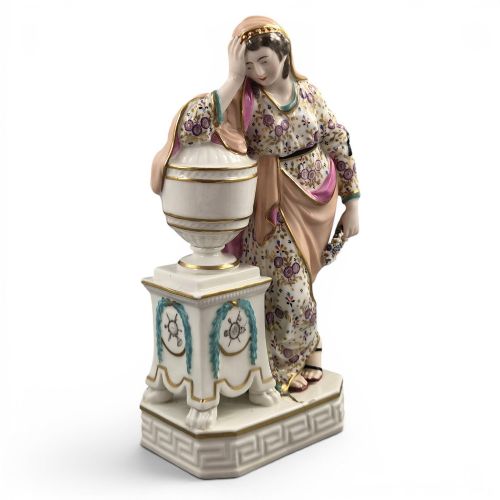
When you search for derby ceramic statuettes, you encounter sculptural porcelain figures spanning the eighteenth and nineteenth centuries. These pieces encompass Georgian allegories of the seasons and elements, classical deities such as Diana and Minerva, and genre subjects like street vendors and musicians.
The selections on this page range from early patch period figures to later nineteenth-century interpretations, including Derby-style works produced by Samson of Paris and continental factories. Collectors meet both individual cabinet figures and paired groups depicting pastoral scenes or satirical subjects like the Welsh tailor and his wife.
How they were made
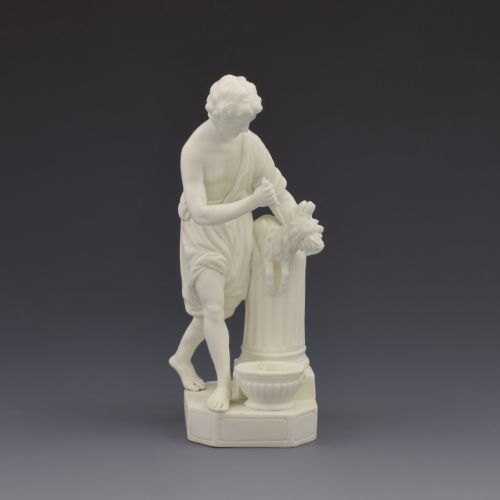
Potters shaped these figures using soft-paste and hard-paste porcelain, alongside specialised unglazed bisque or biscuit porcelain that highlights sculptural detail without the distraction of a glossy surface. Skilled modellers cast the forms in moulds, subsequently applying delicate hand-painted enamel colours and gold leaf highlights.
Surface ornamentation relies on rich gilding and enamel painting applied over the fired ceramic body. Workshops utilised patch marks and distinctive factory techniques during shaping and firing, leaving subtle clues on the unglazed bases that indicate the period of production.
A goat serves as mount for the Welsh tailor and his wife in an eccentric nineteenth-century pastoral model.
What varies in quality
The distinction between a top-tier piece and a lesser example rests on the crispness of the modelling and the precision of the hand-painted enamel work. Early figures from the eighteenth century often display finer facial expressions and more intricate drapery than mass-produced nineteenth-century revival pieces.
Preservation of the delicate extremities, such as fingers, foliage, and musical instruments, defines the overall integrity of a statuette. Original gilding and careful firing without major kiln distortion elevate certain models above standard production runs.
William Duesbury & Co.·Bloor Derby·Samson of Paris
The Derby Ceramic Statuettes Glossary
- Biscuit porcelain
- Unadorned, unglazed ceramic body that resembles marble, often used for classical figures to emphasise fine modelling and texture. This unglazed finish became particularly popular for mythological subjects during the eighteenth century.
- Patch mark
- Small square or circular blemish on the base of an eighteenth-century figure left by the kiln supports during firing. These marks help identify early production methods.
- Soft-paste porcelain
- A glassy, highly translucent ceramic composition fired at lower temperatures than hard-paste porcelain. It characterises many early English figures and responds uniquely to enamel colours.
- Gilding
- The application of gold leaf or powdered gold to highlight elements such as garments, bases, and attributes. This decorative technique adds brilliance to the finished statuette.
Derby Ceramic Statuettes: Frequently Asked Questions
How do I identify a patch period figure?
Examine the unglazed base for small square scars left by the kiln props used during firing in the eighteenth century. These practical marks indicate early manufacturing techniques.
Combined with softer paste bodies and detailed hand-painting, these physical traits separate early production from later nineteenth-century examples.
How were these figures displayed originally?
Georgian households arranged these statuettes on mantelpieces, sideboards, and dining tables as decorative centrepieces and conversation topics. Sets often depicted thematic groups like the four seasons or the continents.
Owners delighted in displaying mythological deities alongside everyday street vendors to demonstrate cultural literacy and refined taste.
Who made Derby-style figures outside England?
Continental factories, most notably Samson of Paris and various German porcelain works, produced revival figures in the distinct Derby style during the nineteenth century. These pieces often emulated earlier Georgian models.
Studying the paste, enamel palette, and base markings helps distinguish these later continental interpretations from original English pieces.