



English Ceramic Figurines
English ceramic figurines bring the character, portraiture, and domestic animals of past centuries straight onto the mantelpiece in earthenware, porcelain, and bone china.
English Ceramic Figurines
When you search for english ceramic figurines, you encounter a varied assortment of modelled characters, portrait figures, and animals spanning the Georgian, Victorian, and later eras. These pieces capture historical events, theatrical personalities, everyday tradespeople, and favoured pets in solid form.
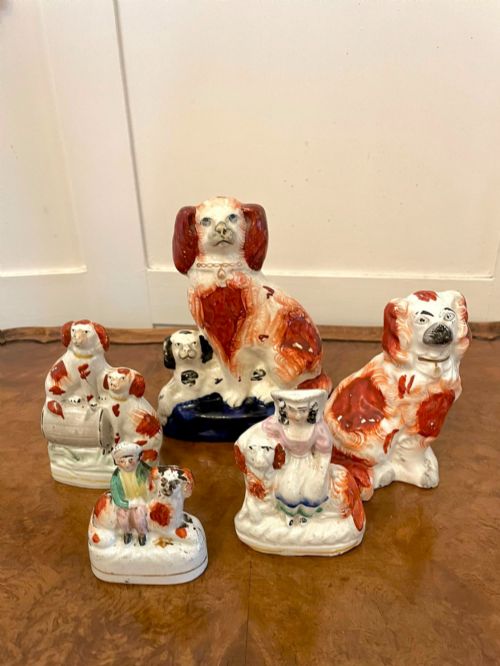
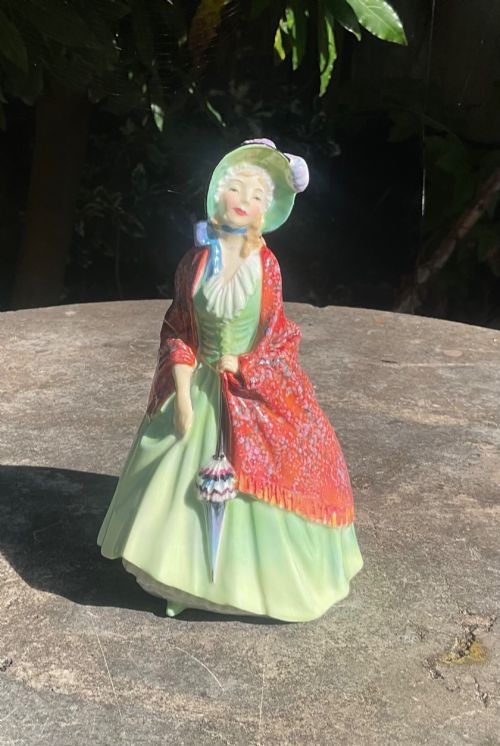
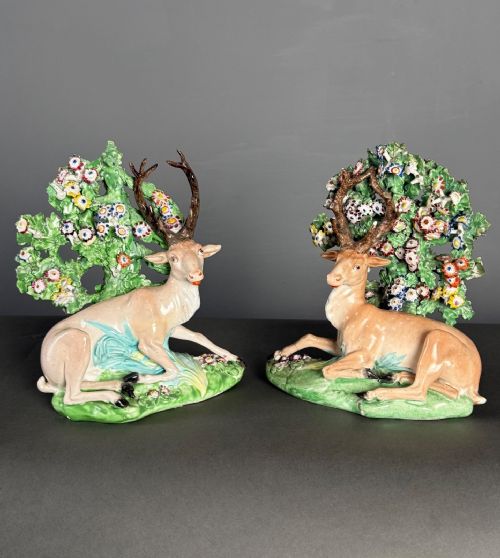
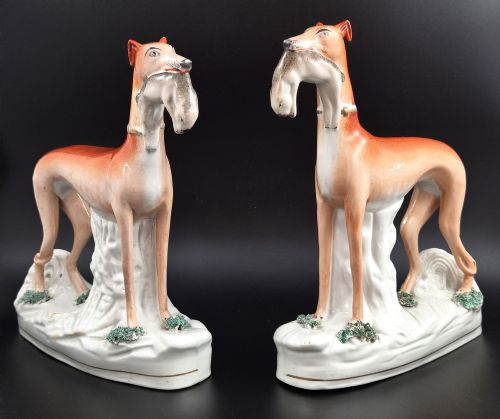
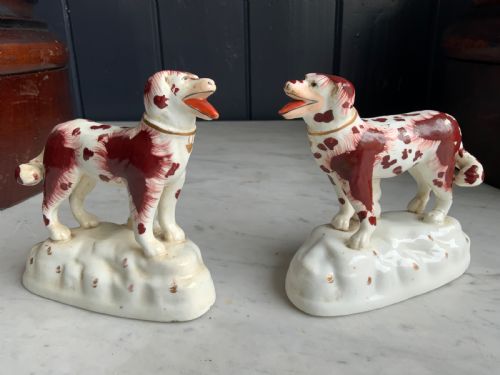
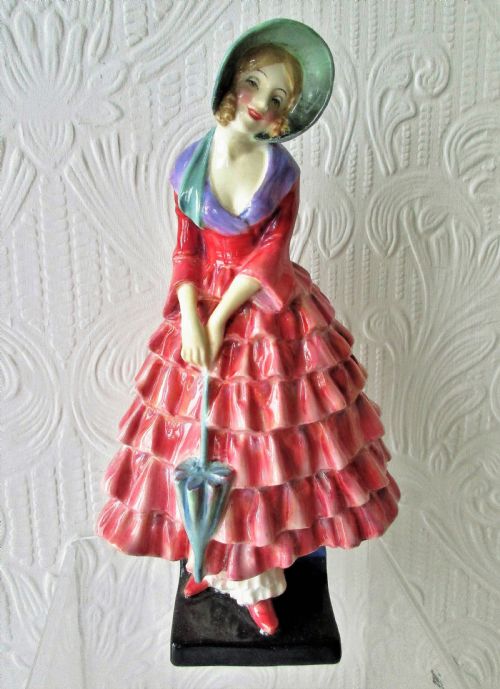
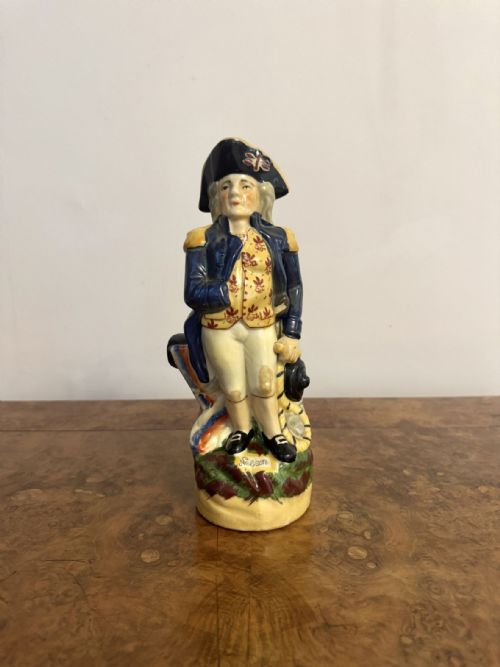
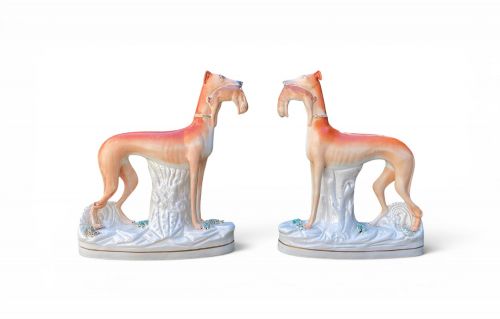
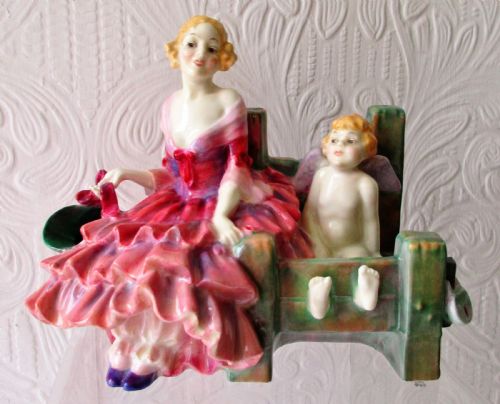
You are most likely to meet Victorian Staffordshire pottery pieces on this page, including pairs of spaniels, greyhounds, and poodles, alongside portrait figures of public figures and literary characters. Alongside these robust earthenware objects, the selection includes porcelain and bone china figures from factories such as Derby and Royal Doulton.
Materials and Working Methods
Potters shaped these figures utilising earthenwares, pearlware, porcelain, and bone china, often applying glazes and enamels to colour the surfaces before firing. Some specialised pieces incorporate gold leaf highlights or take the form of hollow earthenware vessels like spill vases and tobacco jars.
Makers employed press moulds and slip-casting techniques to form the bodies, followed by hand-finishing details such as modelled curls or textured coats on animal figures. Studio potters later applied similar moulding and painting traditions to individual portrait figures.
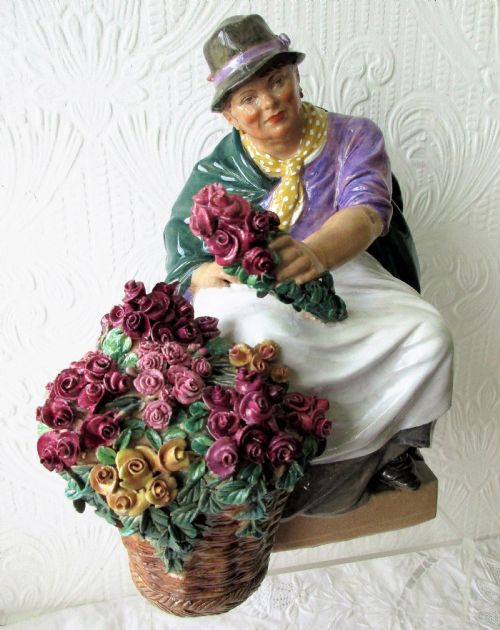
Napoleon shares shelf space here with John Anderson and local flower sellers.
Distinctions in Quality
The standard of modelling and painting separates the finer factory or studio output from mass-produced output. Crisp facial expressions, careful hand-painting of enamel details, and balanced proportions mark out superior figures.
Royal Doulton·Charles Vyse·John Bevington
The English Ceramic Figurines Glossary
- Pearlware
- A refined earthenware developed in the late eighteenth century featuring a thin glaze with a faint bluish tint in the recesses. It served as a popular base for painted figures and lions.
- Spill vase
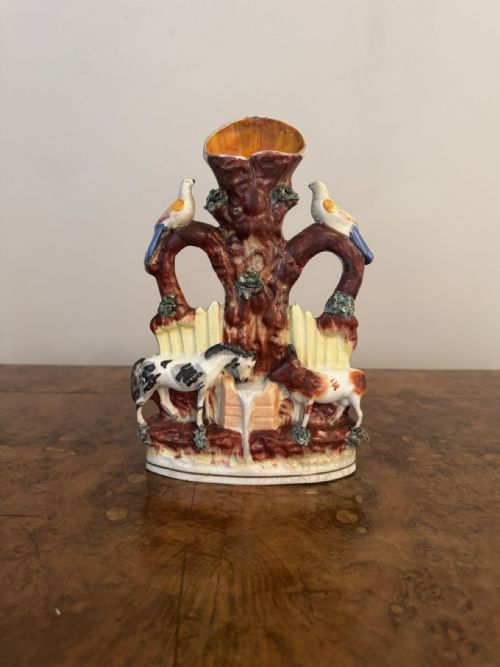
- A hollow ceramic figure incorporating a cylindrical holder designed to store wooden spills for lighting pipes or candles. These vessels often depict farm animals or domestic scenes.
- Biscuit
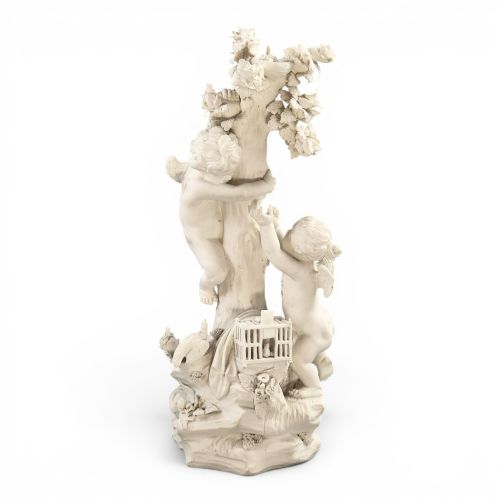
- Unglazed fired porcelain that possesses a matte, stone-like texture. Derby figures frequently utilised this finish to highlight sculptural detail without glaze interference.
- Cow creamer
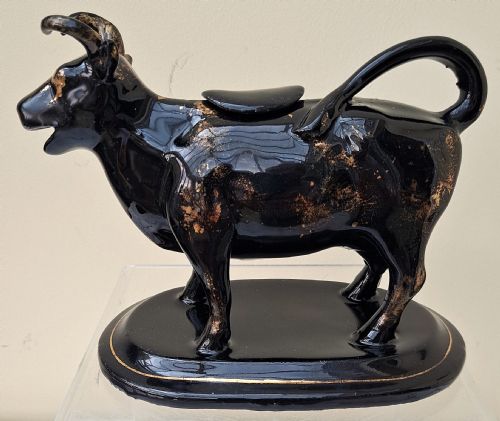
- A hollow animal vessel modelled as a cow with a covert opening on the back and a pouring spout through the mouth. These functional earthenware pieces served cream at the table.
- Bone china
- A hard, translucent ceramic body containing bone ash alongside clay and feldspar. It allowed factories like Royal Doulton to produce finely detailed figurines with delicate glazes.
English Ceramic Figurines: Frequently Asked Questions
How were Staffordshire dogs used?
Staffordshire pottery dogs, particularly pairs of spaniels and greyhounds, traditionally sat on mantelpieces facing inward toward each other.
Victorian households displayed them as ornaments of domestic respectability and comfort, often placing them on windowsills or living room hearths.
How do I distinguish periods?
Georgian and Regency figures often appear in fine porcelain or early earthenware with neoclassical or pastoral subjects. Victorian pieces commonly feature heavier Staffordshire earthenware, pearlware glazes, portrait subjects, and popular animals.
Twentieth-century examples from makers like Royal Doulton utilise bone china and carry specific model numbers or registration marks.
Are all figurines hollow?
Many earthenware figures and animal groups are hollow-cast to prevent cracking during the high-temperature kiln firing process. Some specialised forms, such as spill vases and tobacco jars, use this hollow construction to serve a dual functional purpose.