
Deep Tufted Settee
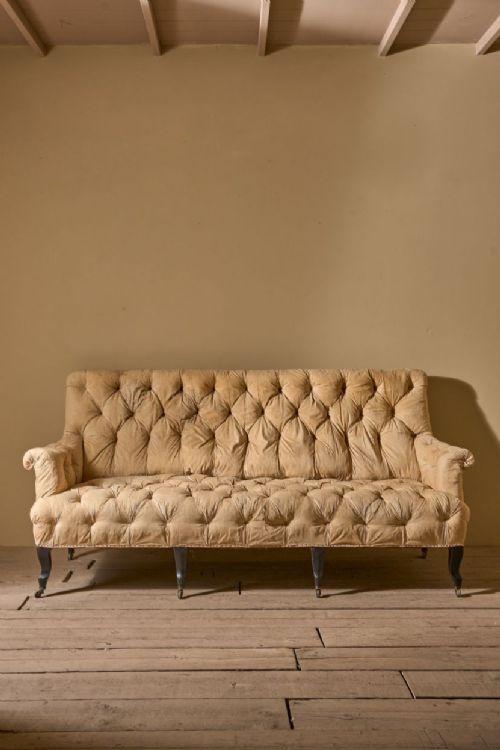
A deep tufted settee provides deep seating through buttoned upholstery, offering substantial comfort and traditional character across Victorian and later periods.
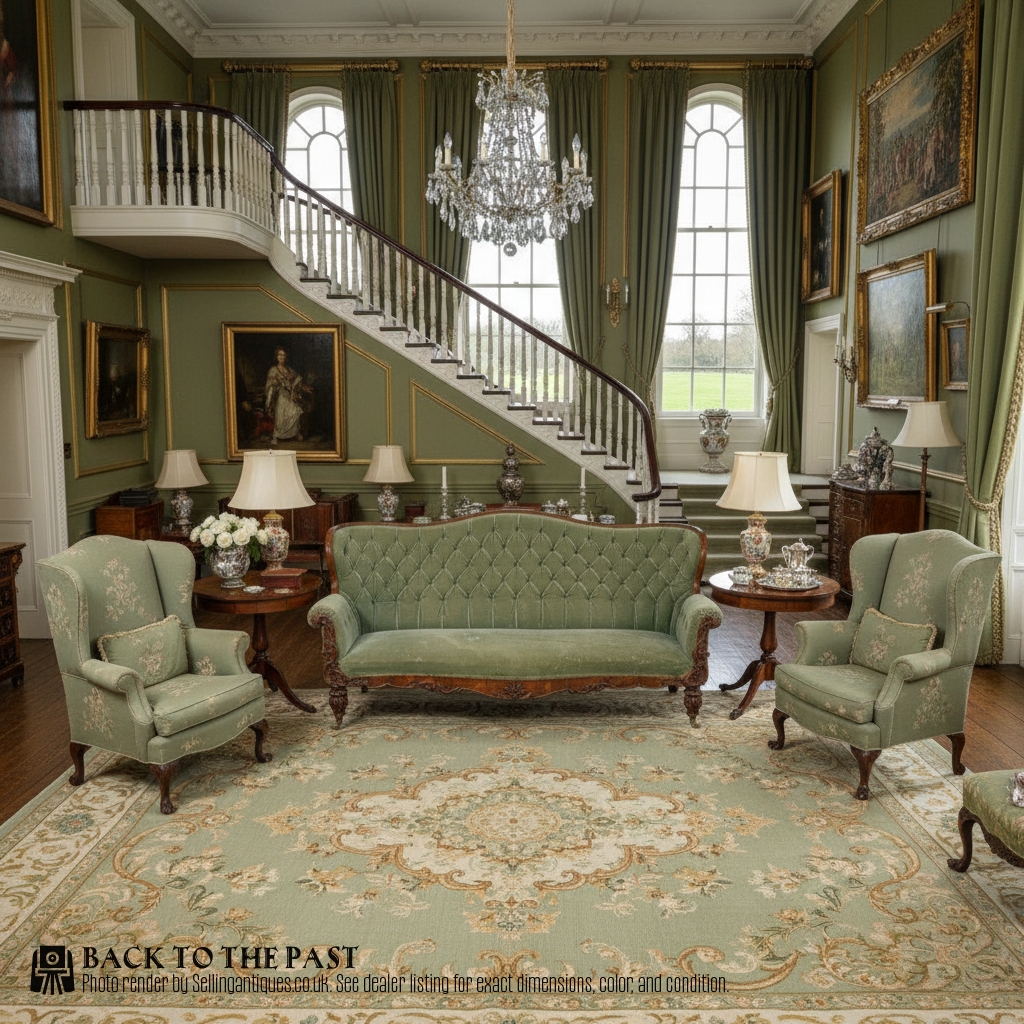
Deep Tufted Settee
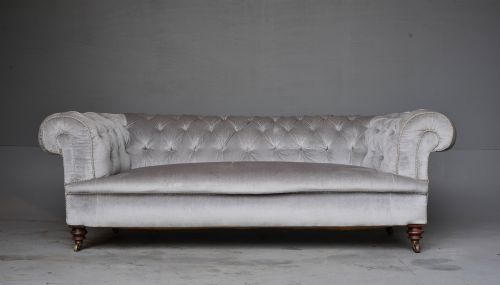
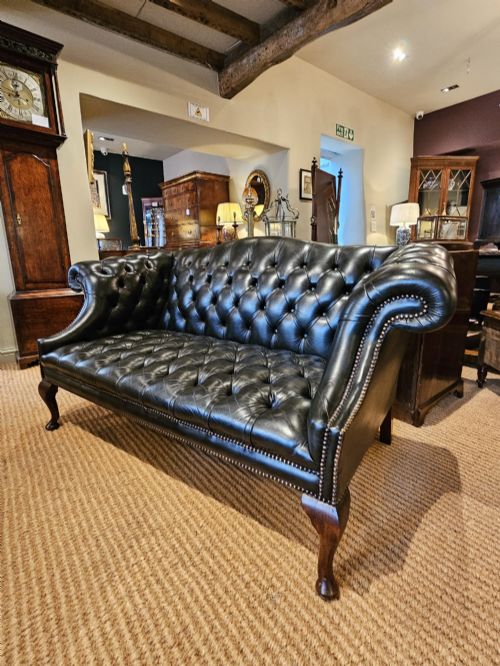
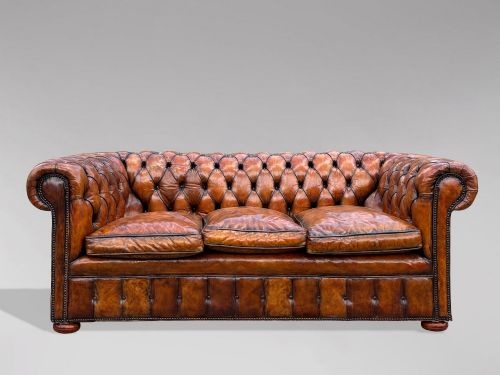
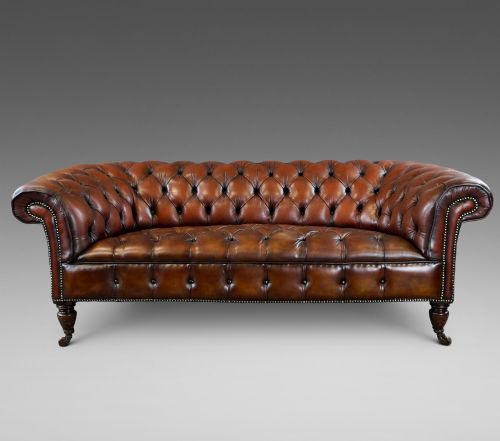
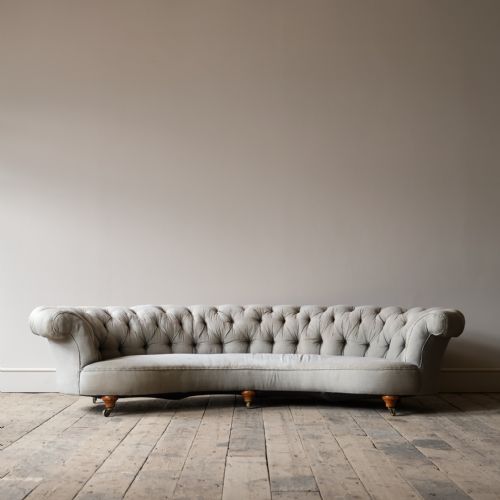
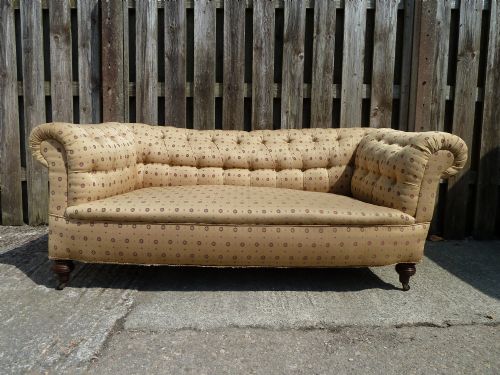
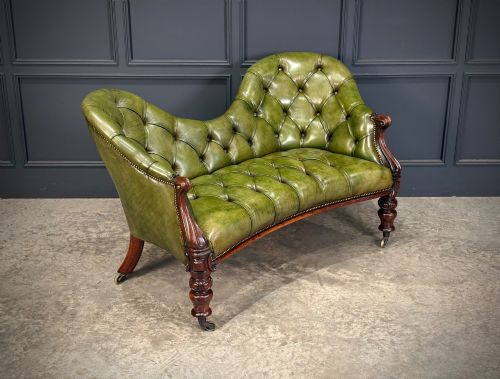
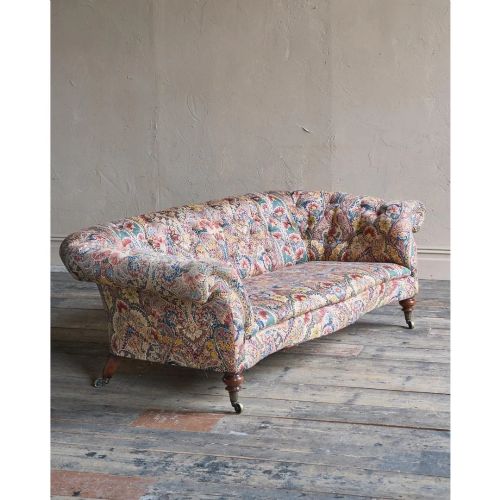
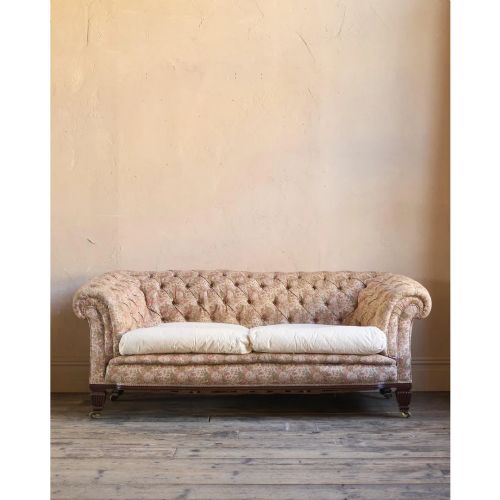
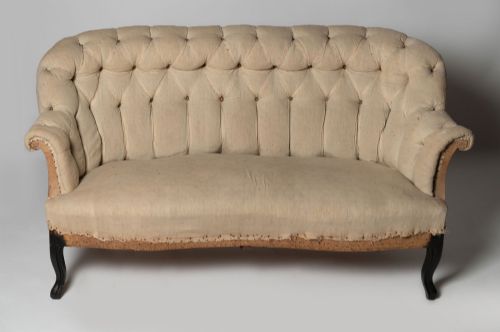
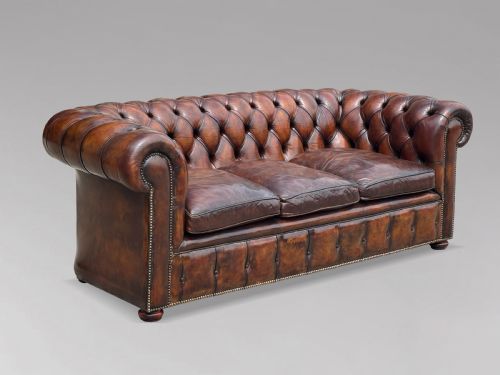
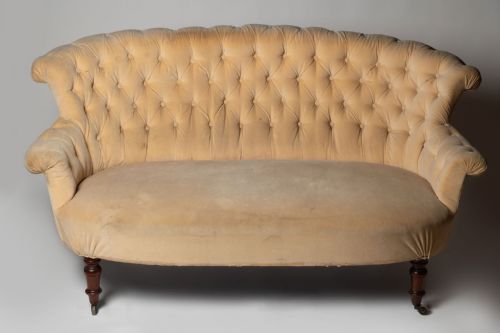
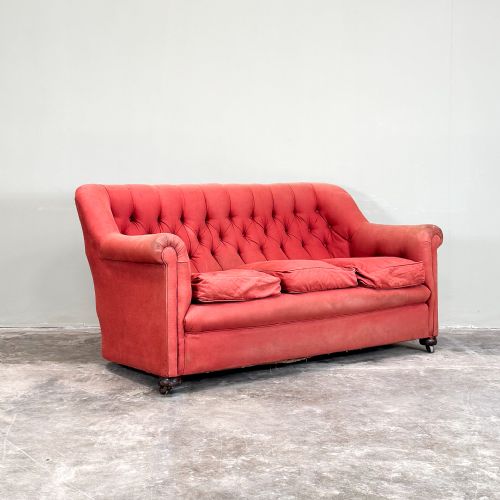
A deep tufted settee is a heavy, upholstered seat designed for formal rooms and everyday use, most often encountered as a Chesterfield sofa from the Victorian period. These pieces appear across nineteenth and twentieth century styles, including Napoleon III, Regency, and Edwardian designs, taking the form of large three-seater sofas, compact two-seater settees, and corner arrangements.
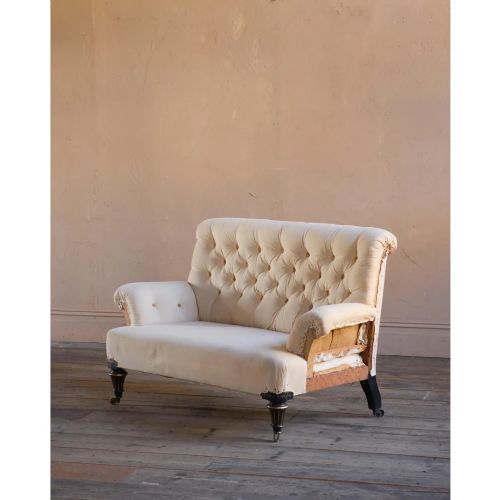
The selection includes specific regional variants like French country sofas and nineteenth century English settees alongside chaise longues and open arm sofa designs. Buyers searching this phrase meet substantial nineteenth century leather pieces alongside early twentieth century club sofas and occasional frames requiring reupholstering.
Materials and construction
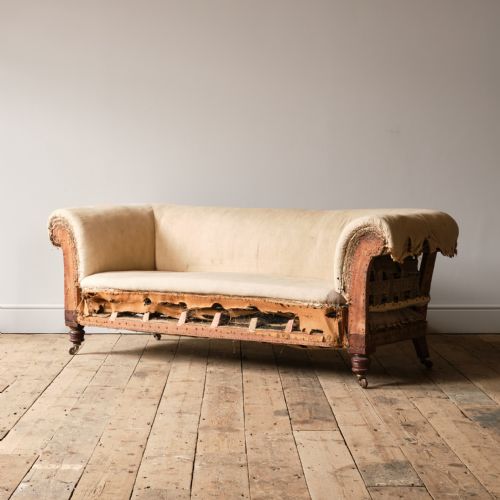
Frames rely on sturdy timbers including mahogany, walnut, and general hardwood to support heavy sprung interiors filled with horsehair stuffing. This traditional foundation works alongside brass tacks and exposed wooden legs to form a rigid structural skeleton.
Upholstery employs heavy leather, velvet, and various traditional fabrics drawn deep into the padding by buttons. Makers finish these surfaces using hand-dyed techniques on raw leather or retain original patinated hides.
Horsehair stuffing inside nineteenth century frames gives these sofas a stubborn resilience that outlasts modern foam.
Judging the work
Quality rests in the integrity of the internal coil springing and the density of the horsehair stuffing beneath the leather. Superior examples retain firm tension across the deep buttoning without excessive slack in the upholstery webbing.
The finish of the wood and the depth of the hand-dyeing on the leather separate standard workshop production from works by prominent makers. Original un-restored surfaces carry distinct historical character compared to modern replacement hides.
Howard and Sons·Jackson and Graham·Jas Shoolbred·Hampton and Sons of Pall Mall
The Deep Tufted Settee Glossary
- Chesterfield
- A large upholstered sofa characterised by arms and back of the same height and deep buttoned upholstery. This form remains the dominant style found within nineteenth century seating.
- Buttoned back
- An upholstery technique where buttons are pulled deep into the padding in a diamond pattern to create tufting. This method secures the internal horsehair filling.
- Chaise longue
- An elongated upholstered chair designed for reclining, often featuring a single raised armrest or back end. These pieces share the deep tufted construction of standard settees.
- Coil sprung
- A system of metal springs tied within the seat frame to provide resilient support for the user. Traditional pieces utilise hand-tied coil springs beneath the padding.
Deep Tufted Settee: Frequently Asked Questions
How do I care for antique leather?
Antique leather upholstery requires gentle cleaning with specialised balms to maintain flexibility in older hides. Avoiding direct sunlight prevents the hand-dyed finishes from drying out or cracking over time.
Preserving the natural patina involves minimal intervention rather than aggressive polishing. Keeping the room humidity stable protects both the leather surface and the internal wooden frame.
Where were these settees used?
These large upholstered settees traditionally occupied principal rooms such as libraries, drawing rooms, and studies. Their heavy frames and deep seating suited formal entertaining and private relaxation alike.
Twentieth century examples continued this domestic tradition within clubs and domestic living spaces. Today they function as central seating items in varied interior schemes.
How do I date a Victorian settee?
Dating relies on examining the timber frame construction, the style of the legs, and the materials used in the upholstery foundation. Victorian pieces from the mid to late nineteenth century often display mahogany or walnut woodwork paired with hand-tied coil springs.
Maker stamps on wooden rails or castors provide direct evidence of origin and period. Comparing the hide thickness and buttoning pattern helps distinguish nineteenth century production from later twentieth century reproductions.