

Deep Buttoned Reading Chair
A deep buttoned reading chair offers proper lower back support and generous armrests, making it the seat you actually choose for an evening with a book.
Deep Buttoned Reading Chair
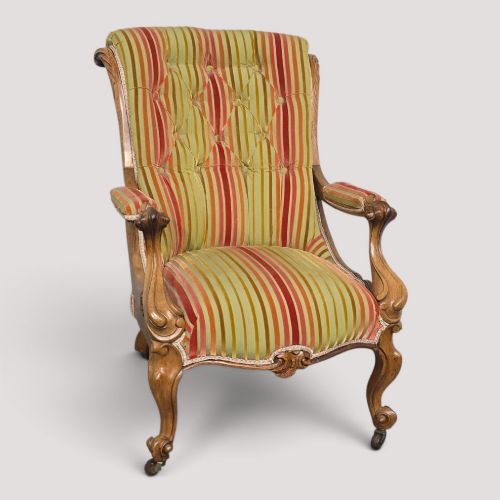
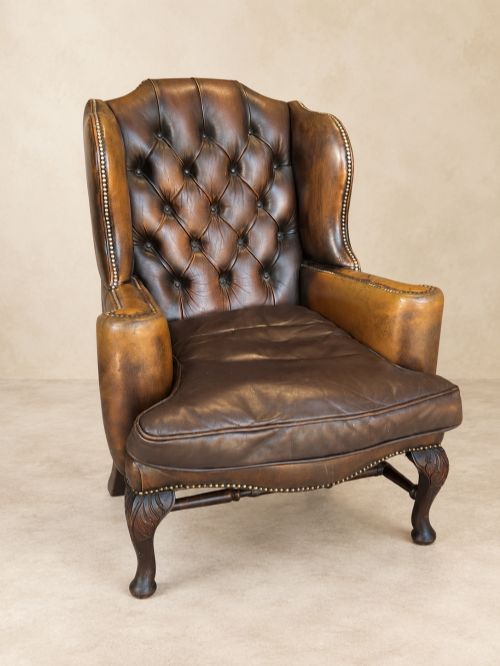
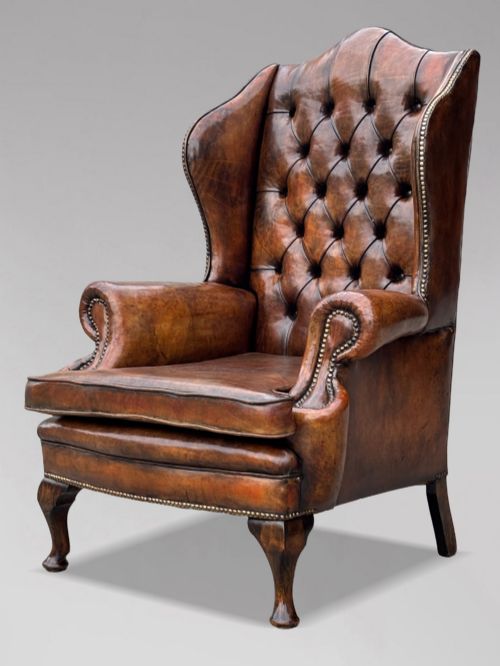
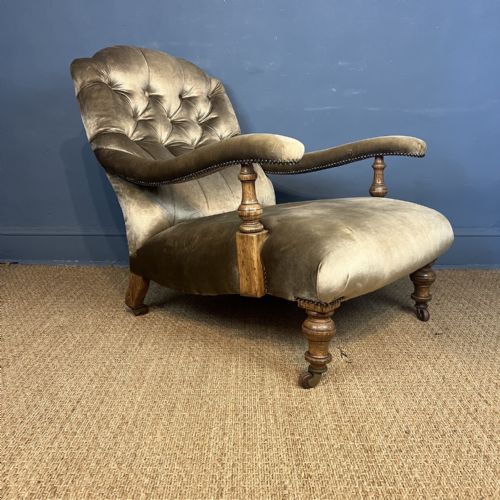
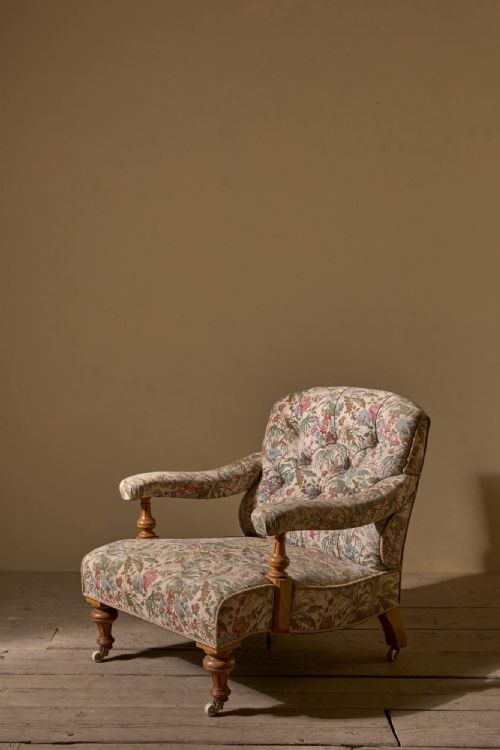
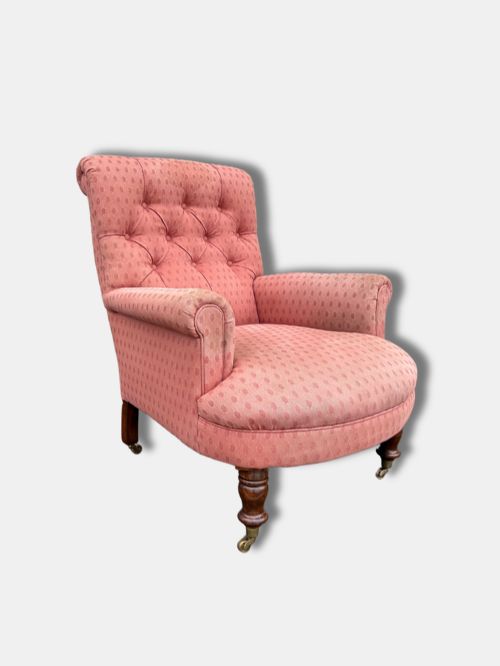
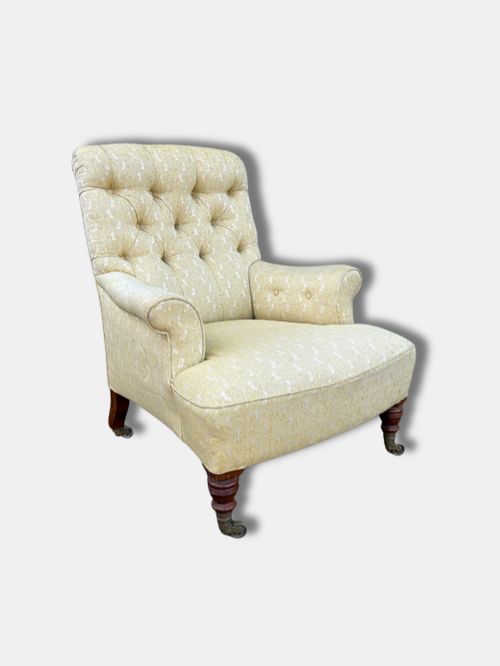
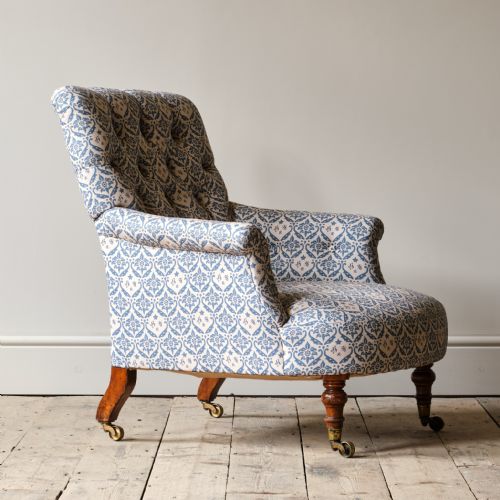
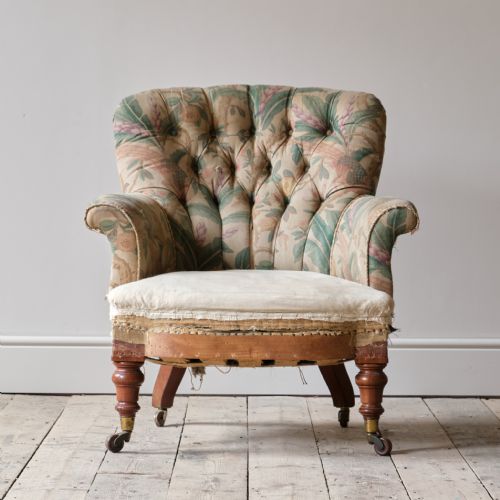
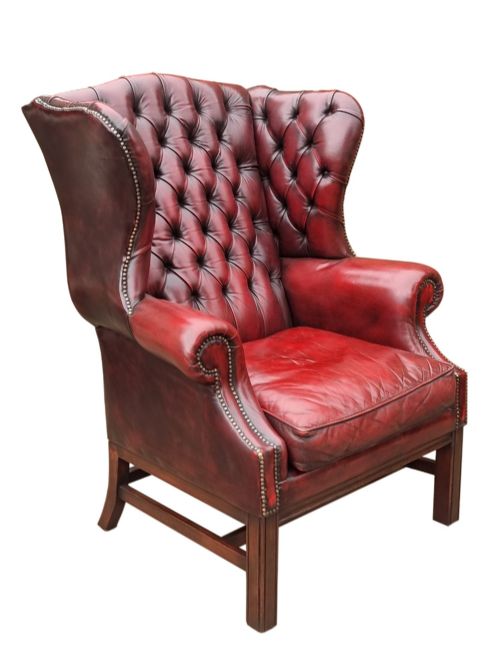
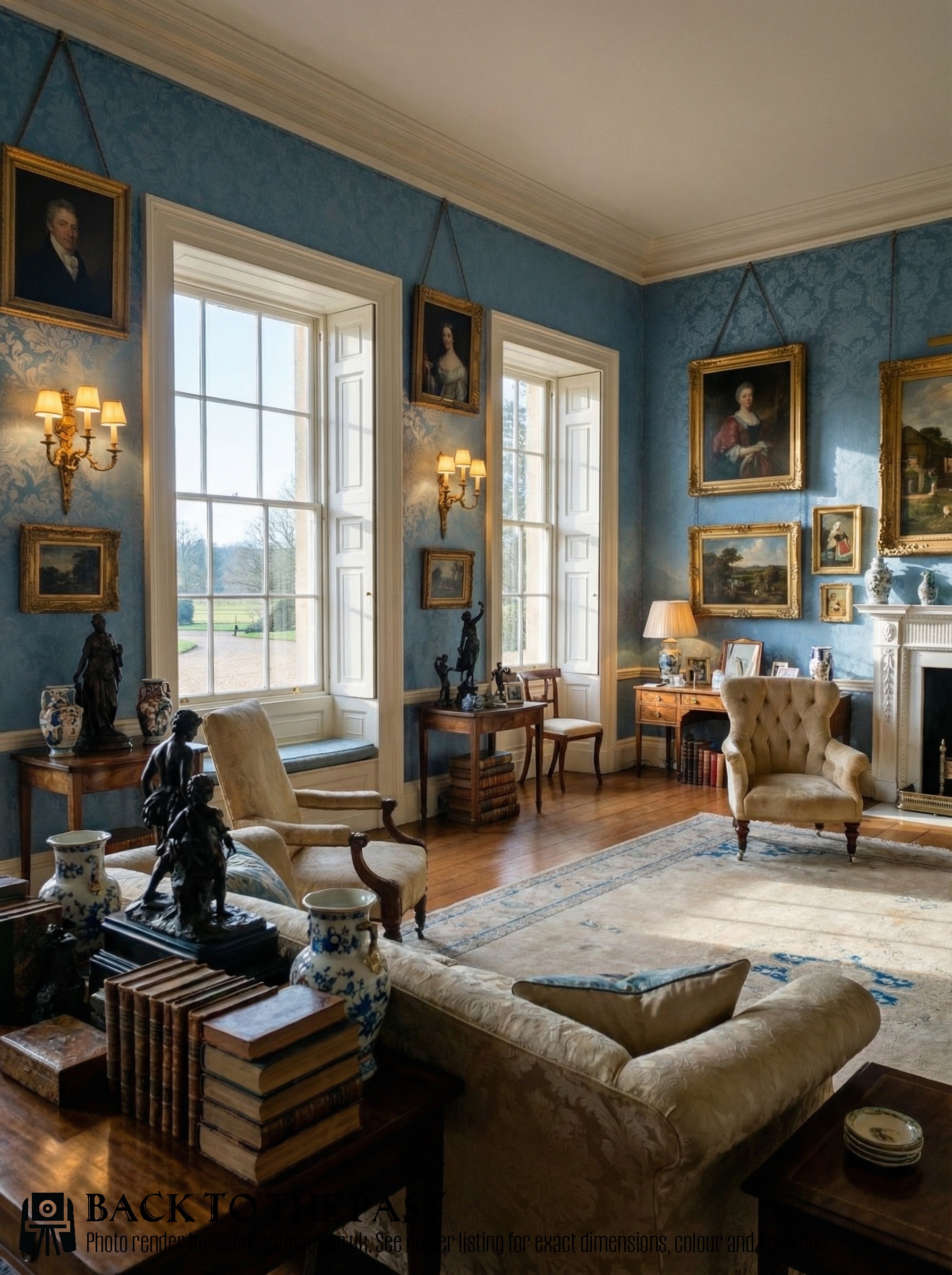
A deep buttoned reading chair is built for prolonged sitting, combining supportive upright backs with substantial padding and armrests designed for comfort. These seats appear most frequently in Victorian and nineteenth-century formats, often shaped as library armchairs, wing armchairs, or country house open armchairs.
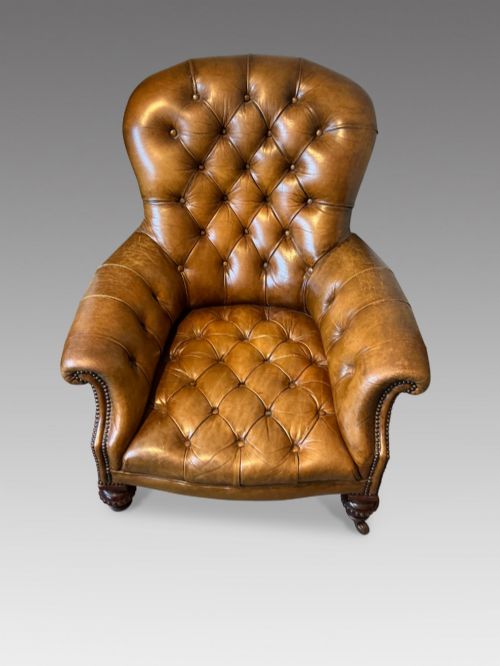
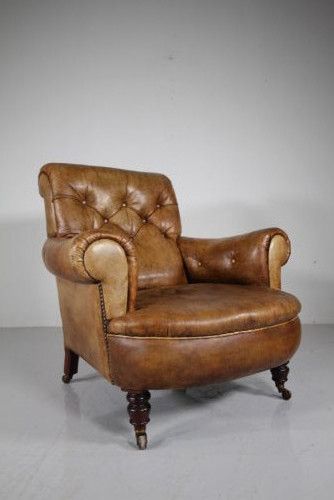
The phrase encompasses pieces finished in rich brown, tan, or ivory leather, alongside examples upholstered in fabric, calico, velvet, and silk. Makers from the Regency period through to the Edwardian era produced these armchairs to serve studies, libraries, and private drawing rooms.
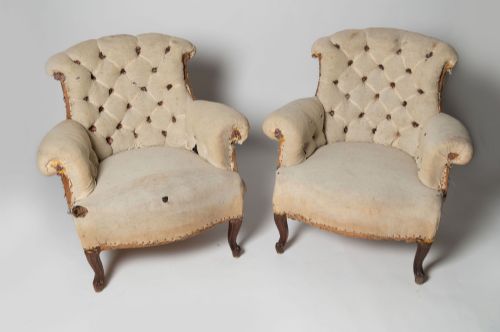
The profiles range from compact iron-back designs to large-scale English and French walnut or mahogany frames. Many examples display the characteristic deep tufting that pulls the upholstery tight to create distinct diamond patterns across the backrest.
Materials and Construction
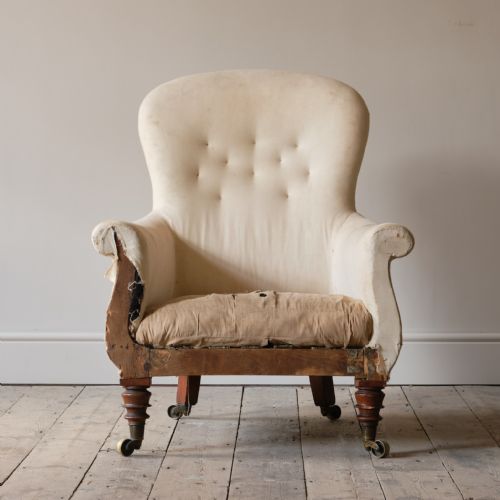
The structural framework relies on dense hardwoods such as mahogany, oak, walnut, and rosewood, selected for their stability and strength under heavy daily use. Cabinetmakers and upholsterers joined these timbers to form sturdy armchairs capable of enduring decades of heavy sitting.
Upholstery techniques combined hand-tied coil springs with horsehair stuffing and durable top coverings of leather, velvet, fabric, or silk. Brass tacks frequently secure the edges of the hide, while deep buttoning uses sturdy twine pulled through the padding to anchor the shape.
Deep Buttoned Reading Chair Retail Price Guide 2026
Typical asking prices for deep buttoned reading chair among the pieces listed under this phrase on Sellingantiques today, from the lower quarter to the upper quarter. They describe what is for sale here now, not the wider market.
Periods represented span from the Regency era through Victorian and Edwardian times, alongside distinct French Napoleon III designs.
Distinctions in Quality and Make
Quality rests upon the integrity of the underlying timber frame and the precision of the joinery rather than surface decoration alone. Finer pieces demonstrate careful carving on mahogany or walnut legs, alongside robust internal webbing and spring placement that prevents sagging.
The grade of the leather and the tension of the buttoning dictate the long-term resilience and tactile appeal of the armchair. Superior examples exhibit balanced proportions, symmetrical tufting, and woods that have aged with a rich, natural patina.
Howard & Sons·Holland & Sons·Gillows·Mellier & Co
The Deep Buttoned Reading Chair Glossary
- Button back
- An upholstery method where tufting buttons are pulled deep into the padding at regular intervals to form a diamond pattern. This technique secures the internal stuffing and provides firm lumbar support.
- Wing armchair
- A high-backed seat featuring projecting side panels designed to shield the sitter from draughts. The wings extend downward to form padded armrests.
- Library armchair
- A sturdy, substantial seat intended for reading and study use. These forms usually incorporate leather upholstery and wide arms.
- Bergere
- An enclosed armchair with stuffed or upholstered upholstery set within an exposed wooden frame. The back and sides frequently incorporate cane or fabric panels.
- Patina
- The surface sheen and deep coloration developed by wood and leather over years of handling and use. It serves as a visual indicator of age and material quality.
Deep Buttoned Reading Chair: Frequently Asked Questions
How do I spot a genuine nineteenth-century chair?
Examine the internal construction methods, looking for hand-forged fixings, traditional joinery, and natural stuffing materials like horsehair rather than modern synthetic foam.
Check the timber for the depth of colour and surface wear consistent with age, alongside the weight and density of the frame woods.
How were these armchairs used historically?
These seats were positioned in private libraries, studies, and drawing rooms where occupants spent long hours reading or conversing.
The supportive high backs and padded arms provided comfort for sedentary tasks before the invention of modern lounge seating.
How do I care for antique leather upholstery?
Keep leather furniture away from direct sunlight and heat sources to prevent the hide from drying out and cracking over time.
Aply specialised leather balms periodically to nourish the material and preserve the natural suppleness of the surface.
What defines the Howard style?
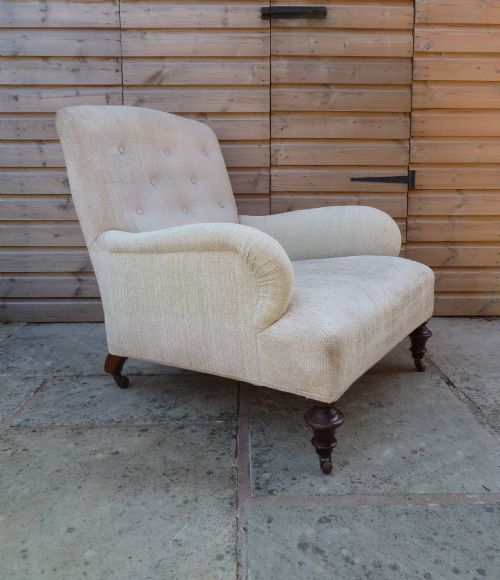
The Howard style refers to low-slung, deeply comfortable armchairs featuring coiled spring systems and clean, understated lines.
These pieces prioritise ergonomic comfort and subtle upholstery detailing over ornate or ostentatious wood carving.