




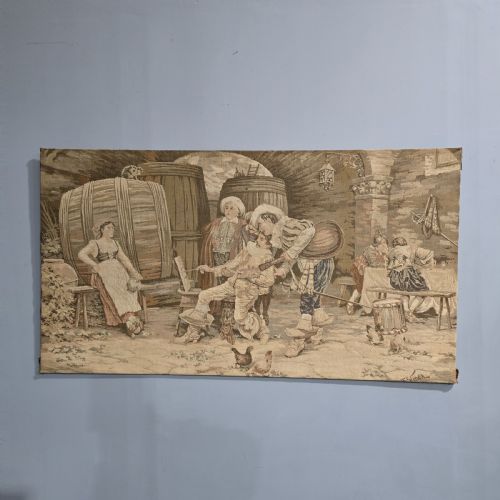


Decorative Woven Textile
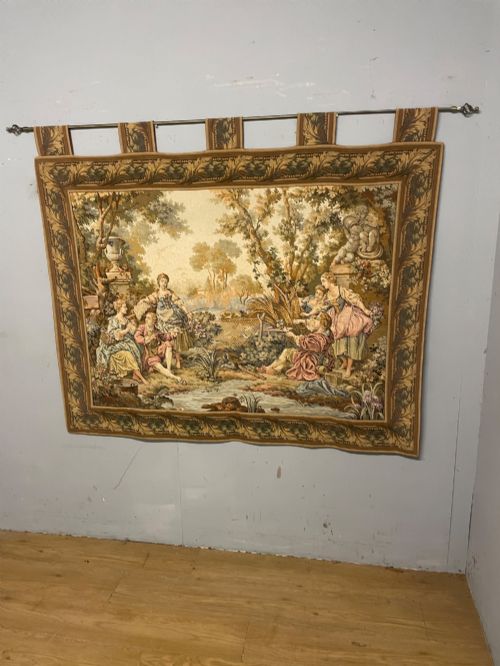
A decorative woven textile brings centuries of historic handiwork into a room, offering tactile warmth and complex narrative design.
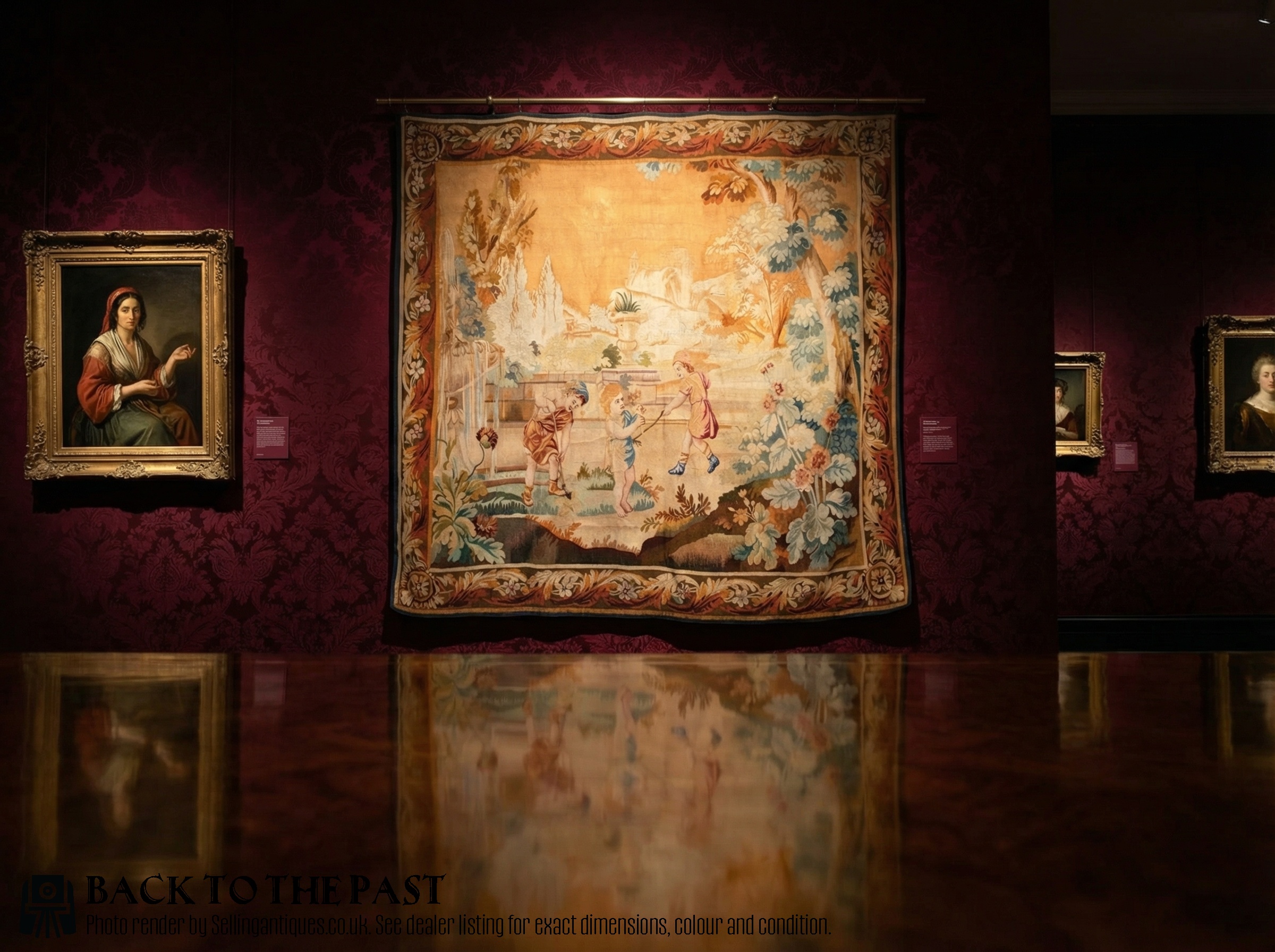
Decorative Woven Textile
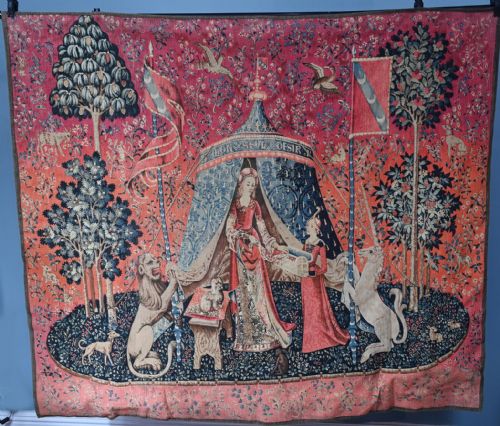
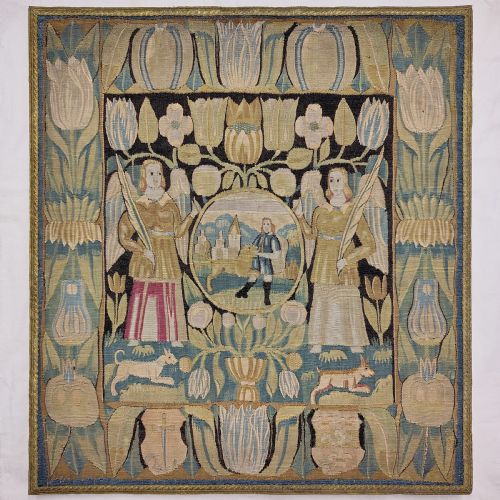
A decorative woven textile encompasses historical wall tapestries, tribal bag faces, tent bands, and cushion covers spanning several centuries.
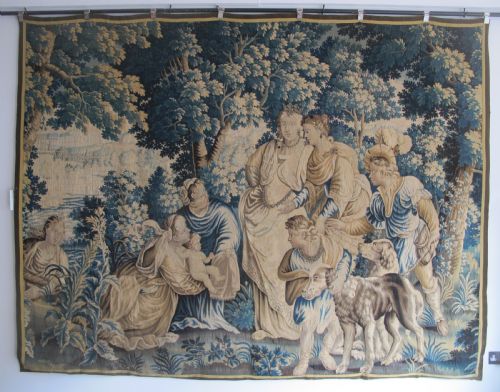
Buyers most frequently encounter European verdure and figurative panels alongside Central Asian and Persian tribal weaving traditions on this page.
The selections range from large French and Flemish wall coverings to nomadic Turkmen storage bags and intricate fragment pieces.
Materials and construction methods
Weavers utilised natural fibres including wool, cotton, linen, and silk, occasionally incorporating metallic thread and glass beads for added detail.
Many historical examples rely on natural dyes to achieve deep palettes, while others demonstrate very fine weave structures and specialised knotting or tapestry techniques.
Assessing quality in historical weaves
Quality rests upon the tightness of the weave, the intricacy of the design such as curled leaf motifs or mille-fleurs, and the survival of the original structure.
Pieces retaining their early borders, natural colour depth, and backings command greater appreciation from collectors than heavily restored fragments.
The Decorative Woven Textile Glossary
- Tapestry
- A form of textile art traditionally woven on a vertical loom by interlocking coloured weft threads over plain warp threads. This technique creates pictorial wall hangings and furnishings.
- Torba
- A small Turkmen storage bag traditionally used inside a nomadic tent. These pieces often feature characteristic gul motifs and detailed geometric borders.
- Verdure
- A style of European tapestry dominated by lush botanical and landscape scenery, often featuring trees, foliage, and animals.
- Kapunuk
- A decorative doorway hanging produced by Turkmen and other nomadic groups to frame the entrance of a yurt.
- Sofreh
- A flatwoven textile from Persia used for the preparation and consumption of bread or shared meals.
Decorative Woven Textile: Frequently Asked Questions
How do I hang a heavy textile?
Large tapestries and wall hangings require proper weight distribution across a custom support system, such as a padded wooden batten or a discreet sleeve sewn to the reverse.
Avoid hanging textiles directly in strong sunlight, as natural fibres and vegetable dyes fade over extended periods of exposure.
How do I clean an antique textile?
Surface dust can be carefully removed using low-suction vacuuming through a protective mesh screen, avoiding direct contact with fragile areas.
Professional textile conservation specialists should handle any deeper cleaning or structural repairs to prevent fibre degradation.
How can I tell European from tribal pieces?
European works typically display pictorial French or Flemish scenes, mythological figures, and verdant landscapes woven in fine wool and silk.
Tribal examples from Central Asia and Persia rely on geometric repeats, nomadic symbols, hooked medallions, and rich banded designs.