



Terracotta Wall Hanging
When searching for a terracotta wall hanging, collectors encounter woven tribal textiles and panels from Central Asian and Persian traditions.
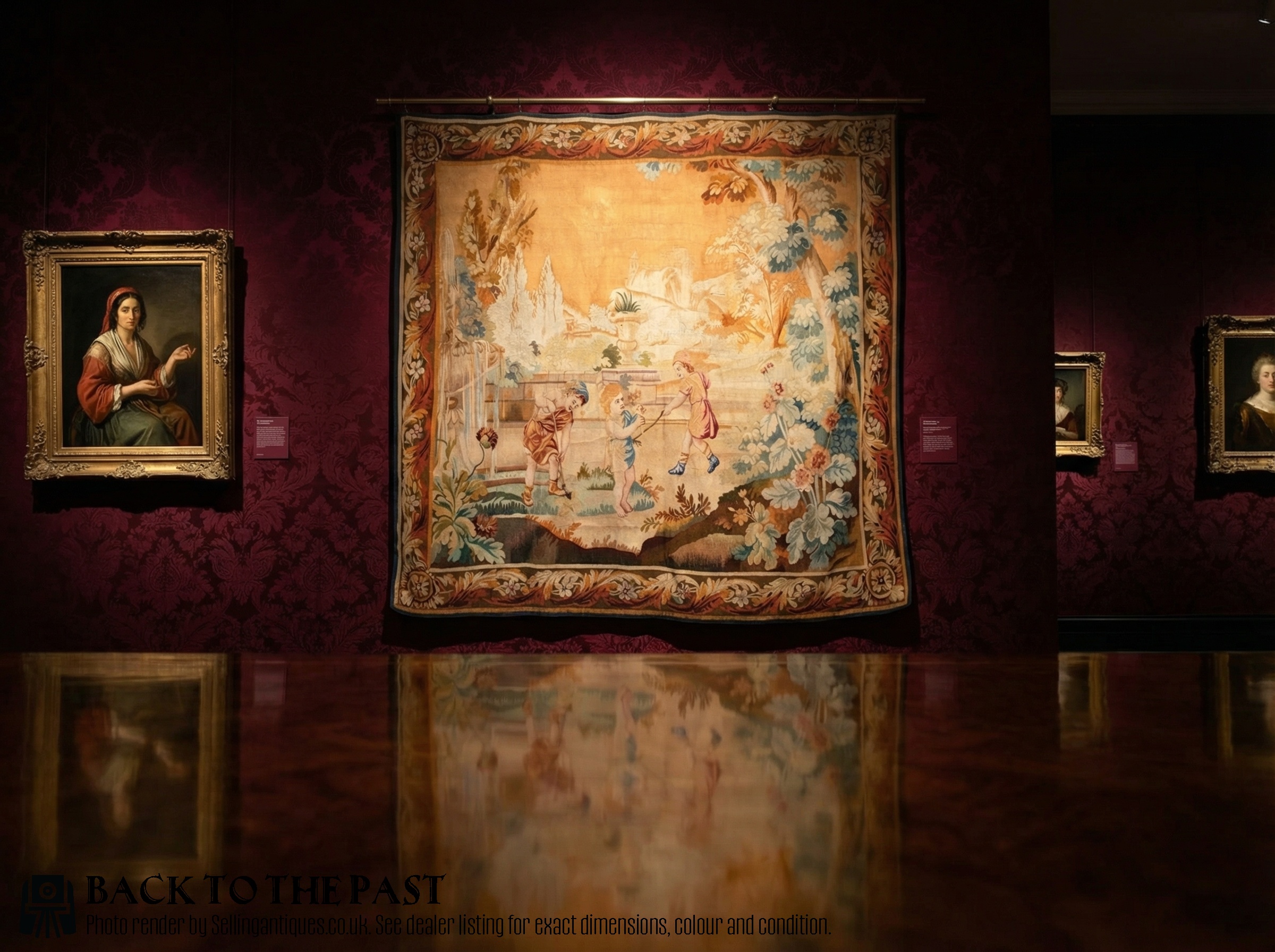
Terracotta Wall Hanging
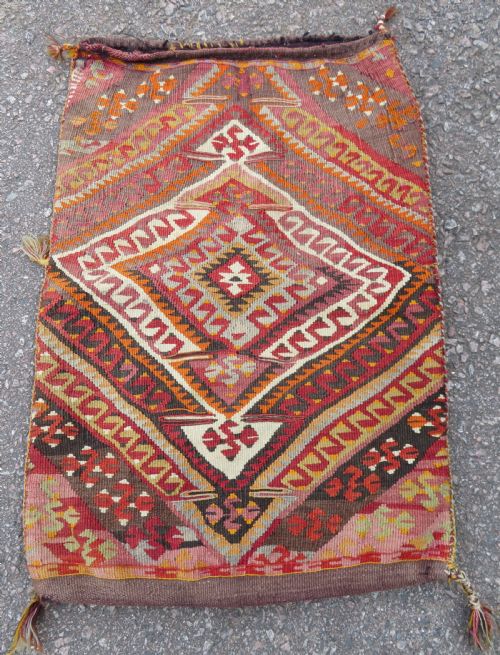
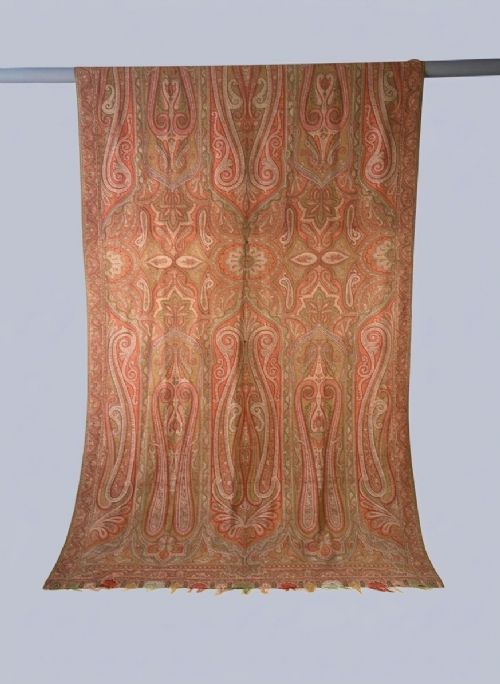
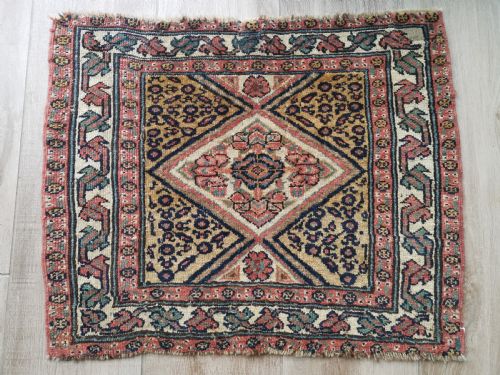
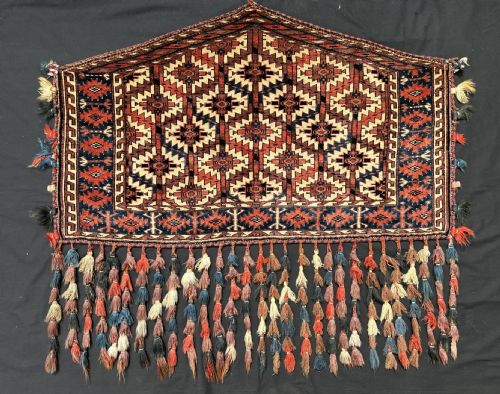
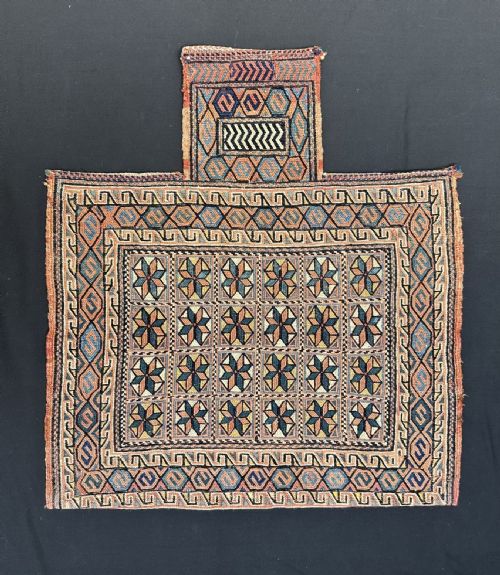
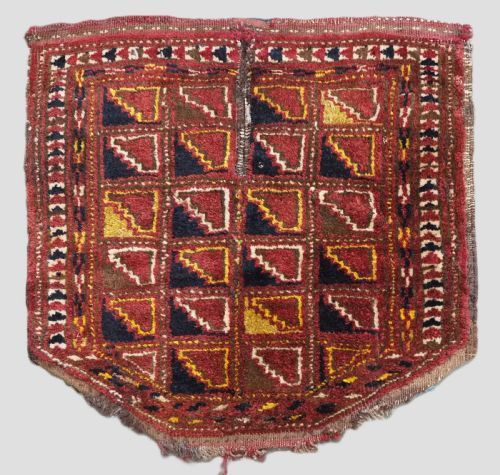
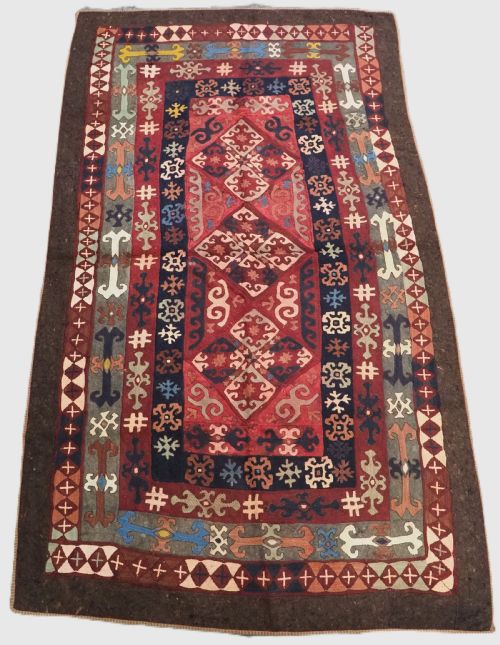
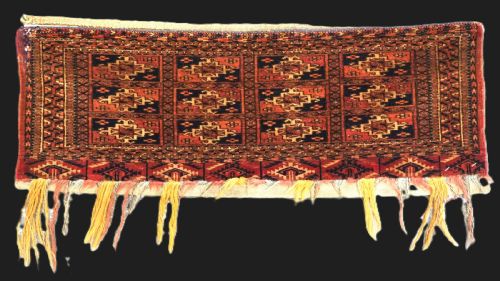
A terracotta wall hanging search typically directs attention towards antique tribal textiles, bags, panels, and rugs originating from nomadic and village workshops. These items encompass bags, saddle covers, torbas, and wall hangings created for utilitarian nomad use rather than decorative display.
The objects stem from traditions across Persia, the Caucasus, and Central Asia, including Turkmen, Uzbek, and Qashqa'i groups. Collectors find flatweaves, pile rugs, and embroidered felts spanning the nineteenth and early twentieth centuries.
How they were made
Materials rely heavily on hand-spun wool, cotton, silk, and felt, coloured by natural dyes derived from local plants and minerals. Artisans utilised techniques such as soumac weaving, embroidery, and pile knotting to construct durable items for daily nomadic life.
Textiles often incorporate glass beads and complex structural formats like banded flatweaves or panels joined together. The construction methods reflect regional traditions passed down through tribal weaving communities.
Listings feature nineteenth-century and early twentieth-century nomadic textiles, utilising hand-spun wool, silk, and natural dyes across Turkmen, Persian, and Central Asian styles.
What varies in quality
Quality rests upon the fineness of the weave, the clarity and saturation of the natural dyes, and the integrity of the original structure. Pieces retaining complete backs, tassels, or borders demonstrate superior preservation.
Design execution and rarity of specific tribal guls or graphic patterns distinguish finer examples from standard work. The precision of hand-spun materials and overall structural balance reveal the weaver's skill.
The Terracotta Wall Hanging Glossary
- Torba
- A small storage bag produced by Turkmen tribes, often used inside a tent for household goods. These pieces frequently feature characteristic gul motifs.
- Gul
- A repeating medallion or octagonal motif central to Turkmen and other Central Asian tribal rug designs. Each pattern typically identifies the specific tribe or clan.
- Soumac
- A flatweave technique involving wrapping weft threads over and under warp threads to create a textured, durable surface. This method produces a heavier fabric than standard kilim.
- Suzani
- A large, embroidered textile panel originating from Uzbekistan and surrounding regions, traditionally worked in silk on a cotton or linen ground. They were made as part of a bride's dowry.
- Kilim
- A flatwoven textile produced without a pile, resulting in a lightweight, reversible fabric with bold geometric patterns. These were utilised for floor coverings, bags, and wall dividers.
Terracotta Wall Hanging: Frequently Asked Questions
What is a terracotta wall hanging?
A terracotta wall hanging search actually surfaces antique tribal textiles, bags, and panels rather than ceramic pieces. These woven items reflect the rich textile traditions of nomadic groups across Persia and Central Asia.
Collectors repurpose these historical bags and panels as decorative wall art to showcase their traditional patterns and natural dyes.
How were antique tribal bags used?
Nomadic tribes utilised these woven pieces for practical storage inside tents and on animals during migrations. Items like torbas and saddlebags held household belongings, salt, or personal items.
Over time, these utilitarian objects gained appreciation for their artistic merit, regional designs, and durable construction.
How do I date an antique textile?
Dating relies on examining the materials, natural dye palette, and structural characteristics typical of specific periods. Pieces from the nineteenth century often display softer, vegetable-dyed colours and hand-spun wool.
Tribal attributions and specific regional motifs also help place items within the nineteenth or early twentieth-century timeline.
How should I care for a textile?
Protect antique wool and silk textiles from direct sunlight to prevent natural dye fading. Gentle vacuuming through a mesh screen helps remove dust without damaging the weave.
Mounting should distribute weight evenly across the piece to avoid stress on the historical fibres and stitching.