






Vintage Decorative Textile
A vintage decorative textile brings pattern and colour to a room, offering centuries of handwork from diverse global traditions.

Vintage Decorative Textile
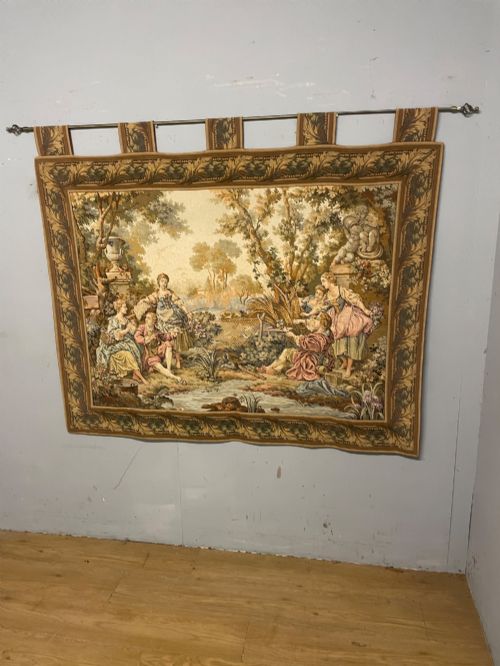
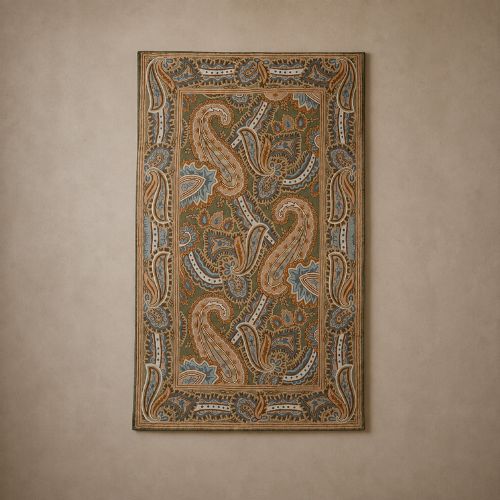
A vintage decorative textile encompasses wall hangings, panels, and screens originating from the seventeenth century through to the early twentieth century. Buyers seeking a vintage decorative textile encounter diverse traditions, from Central Asian Suzanis and tribal bag faces to European tapestries and crewelwork panels.
The selection frequently includes embroidered textiles alongside practical items adapted for display, such as printing blocks, folding screens, and spinning wheels. These pieces reflect specific regional workshops and domestic crafts spanning multiple eras.
Materials and construction
Materials comprise natural fibres such as wool, cotton, silk, and linen, often combined with metallic thread for added definition. Wood and brass feature in related items like carved printing blocks and folding screens.
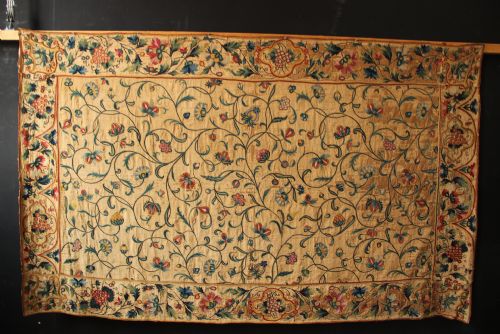
Construction techniques range from fine hand embroidery and crewelwork to traditional weaving, block printing, and tapestry work. These methods involve patient needlework and carving executed by regional artisans.
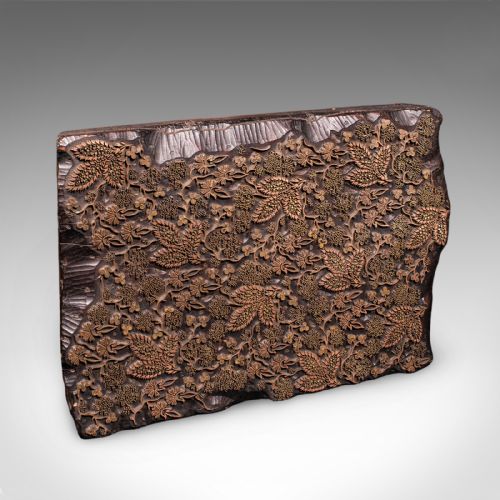
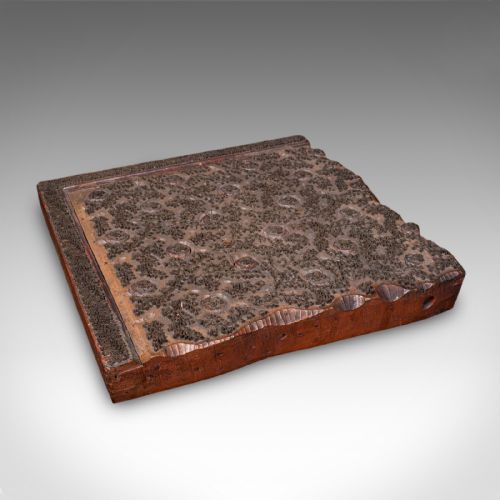
Discarded wooden printing blocks found a second life stamping Victorian wallpaper before retiring to collector shelves.
Assessing quality and execution
Quality rests in the precision of the needlework, the complexity of the design, and the survival of the original materials. Finer weaves and denser embroidery demonstrate superior technical skill from the maker.
Condition and completeness separate standard examples from finer ones, particularly in large panels and tribal tent bands where original borders and backing fabrics remain intact.
The Vintage Decorative Textile Glossary
- Suzani
- An embroidered tribal textile originating from Central Asia, typically worked in silk on a cotton ground. These large decorative panels often feature bold floral motifs.
- Crewelwork
- A type of embroidery executed with wool yarn on linen or cotton twill. This technique produces dense, textured surfaces seen on historical English panels.
- Kapuruk
- A decorative tent hanging or doorway portiere produced by tribal weavers. These wool and textile pieces served both functional and decorative roles in nomadic dwellings.
- Printing block
- A carved block of wood or brass used to stamp patterns onto fabric or wallpaper. Examples often display intricate folk art carving from the Victorian era.
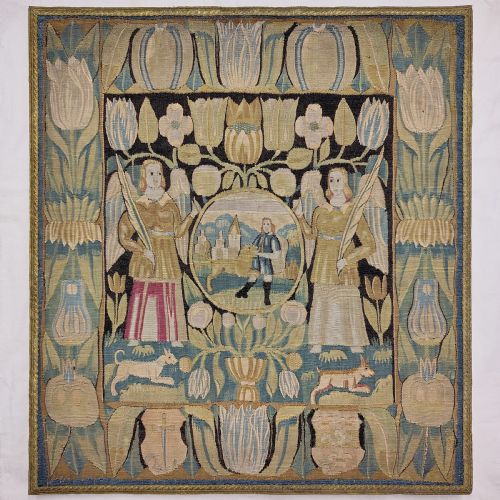
- Tapestry
- A form of textile art woven by hand on a loom, incorporating wool, silk, and metal threads. Panels often depict classical or figurative scenes.
Vintage Decorative Textile: Frequently Asked Questions
How do I hang a textile?
Large textile panels and rugs require careful weight distribution to prevent fabric distortion over time. Many collectors utilise a sleeve sewn to the reverse or specialised display mounting.
Folding screens stand independently as room dividers, while smaller embroidered pieces suit professional framing behind conservation glass.
Where did Suzanis originate?
Suzanis come from Central Asian regions including Uzbekistan, with distinct styles emerging from cities like Samarkand and Shakhrisabz. Families traditionally embroidered these panels as part of a bride's dowry.
Each region developed specific floral motifs and colour palettes, executed primarily in silk thread.
What is a printing block?
Printing blocks are carved wooden or brass implements used historically in workshops to apply patterns to textiles or wallpaper. English and European examples often feature intricate recessed designs.
Today, these objects are collected as sculptural folk art or decorative desk items.
How old is my textile?
Dating relies upon examining the natural dyes, spinning irregularities in the wool or cotton, and stylistic conventions of the period. Nineteenth-century and earlier pieces show distinct regional construction methods.
Reference materials and provenance help narrow the decade of origin for tribal and European works.