

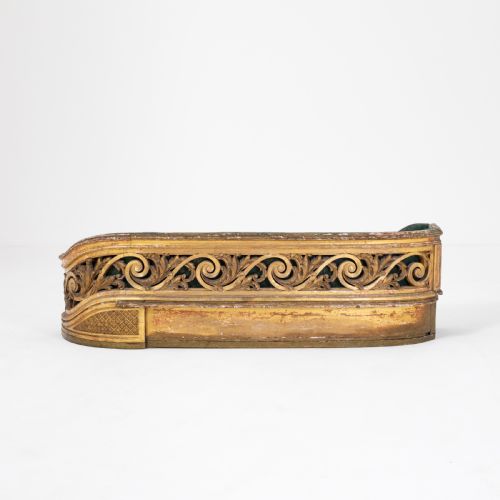


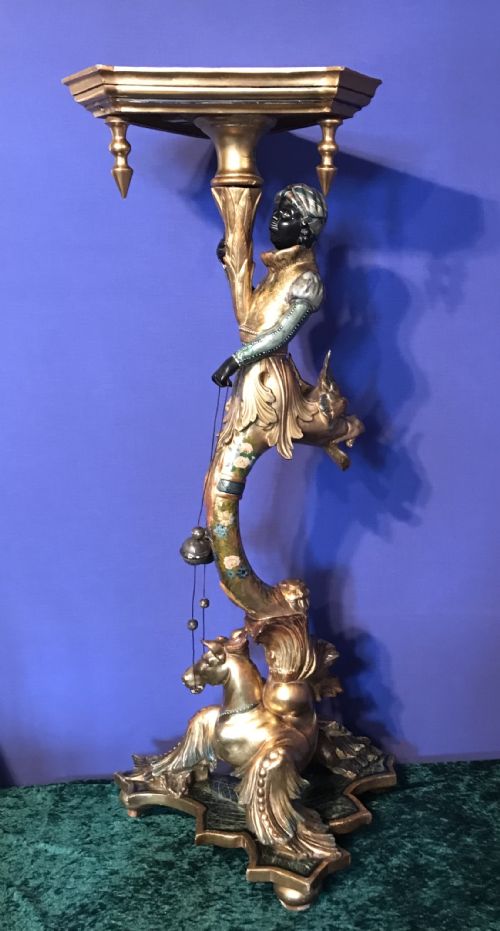
Decorative Wood Planter
These decorative wood planter choices offer plant stands, jardinières and jardinieres crafted across multiple centuries of design.
Decorative Wood Planter
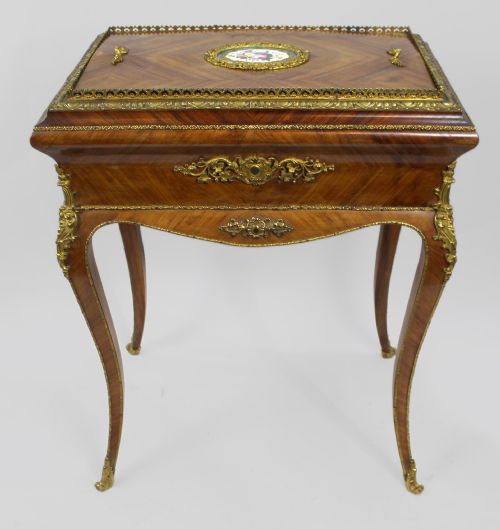
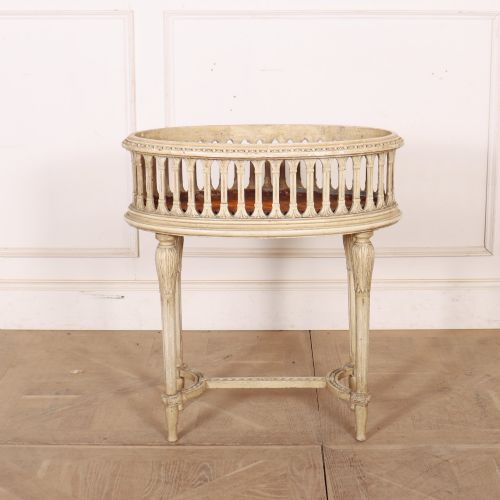
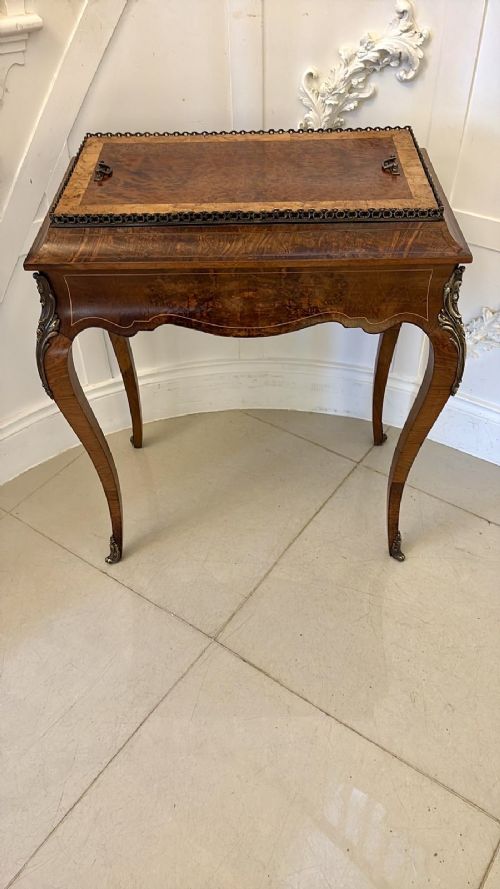
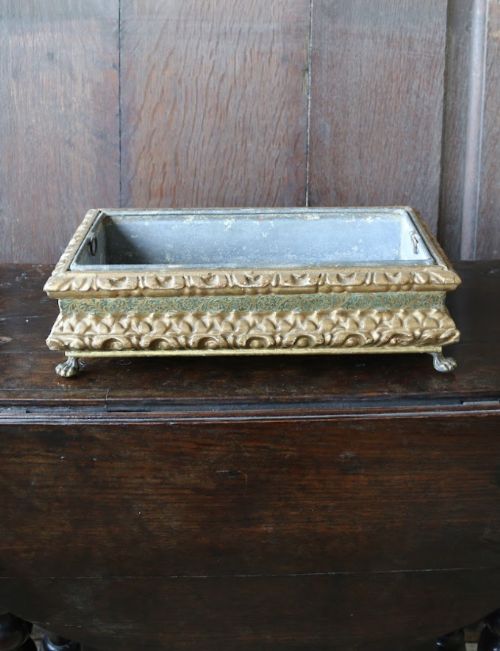
A decorative wood planter encompasses plant stands, jardinière tables, and jardinieres designed to hold greenery within domestic spaces. Pieces span from the 17th century through the Victorian era up to the 1930s, reflecting varied European origins.
The most frequent examples encountered on this page include French and English iterations, taking the form of inlaid tables, coopered buckets, and carved stands.
Makers and craftsmen utilised styles ranging from Louis XV Revival and Louis XVI to Italian Baroque and Edwardian, creating functional items that double as sculptural furniture.
How they were made
Construction relies heavily on timbers such as walnut, mahogany, satinwood, kingwood, oak, and ebonised wood, often shaped through coopered construction or intricate carving.
Many examples incorporate decorative metal elements including brass, ormolu mounts, and metal liners, alongside porcelain plaques and Minton panels for added visual contrast.
Decorative Wood Planter Retail Price Guide 2026
Typical asking prices for decorative wood planter among the pieces listed under this phrase on Sellingantiques today, from the lower quarter to the upper quarter. They describe what is for sale here now, not the wider market.
Some wooden planters double as tea stoves, meaning your ferns can sit atop the very spot once warmed by peat.
What varies in quality
Quality rests upon the fineness of the timber selection, the complexity of the carving, and the precision of any marquetry inlay or parquetry work present on the body.
The integration of secondary materials, such as fire-gilded ormolu mounts, hand-painted porcelain plaques, and original metal liners, separates standard containers from finer salon-grade pieces.
The Decorative Wood Planter Glossary
- Jardiniere
- An ornamental pot or stand for holding plants or flowers. It derives from the French word for gardener.
- Ormolu
- Gilded bronze used for decorative mounts on furniture and planters. It creates a bright metallic contrast against dark woods.
- Marquetry
- Decorative veneer patterns applied to woodwork using various coloured timbers. It appears on finer inlaid tables and stands.
- Torchere
- A tall ornamental stand or candlestick used to support a light or a plant. Venetian examples bring height to interior displays.
Decorative Wood Planter: Frequently Asked Questions
What is a jardiniere?
A jardiniere is an ornamental container designed specifically to hold potted plants or floral arrangements inside the home. They function as both horticultural vessels and decorative furniture.
Historically placed in reception rooms or parlours, these pieces elevate greenery off the floor to display plants at eye level.
Are these planters suitable for modern rooms?
These decorative planters fit comfortably into contemporary interiors by providing organic texture and historical contrast against minimal backgrounds. Their varied scales suit corners, hallways, and tabletops alike.
Utilising a traditional stand or table version introduces height variation into a modern plant collection.
How can I tell the period of a planter?
Dating relies upon observing the prevailing stylistic vocabulary, such as Louis XV curves, Edwardian satinwood inlay, or Victorian ebonised finishes. Construction methods also offer clues to age.
Examining the underside, joinery techniques, and metal hardware helps confirm whether a piece belongs to the nineteenth century or earlier periods.