


Decorative Wood Carving
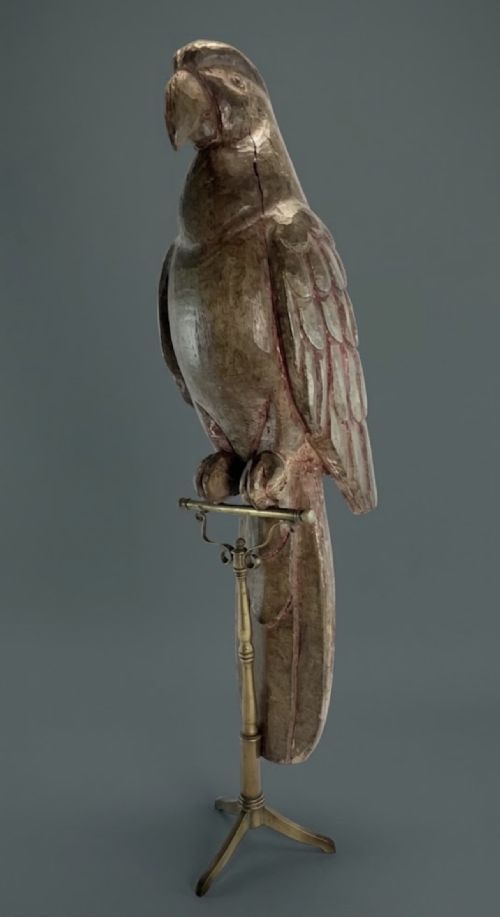
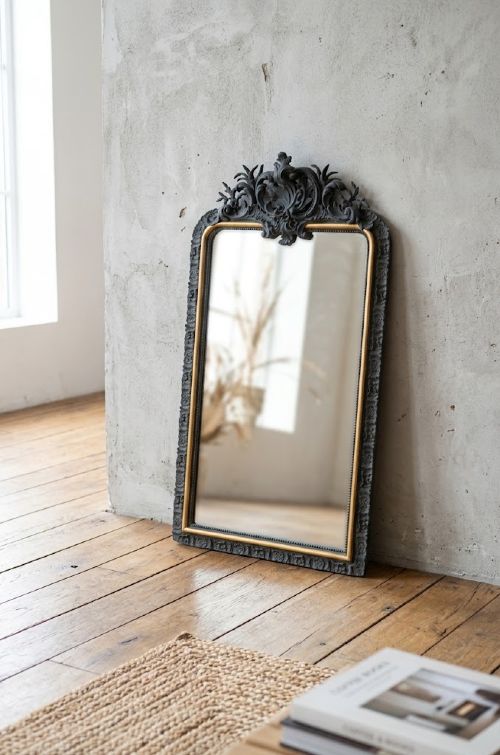
These pieces of decorative wood carving bring texture and historical character to a room, ranging from gilt mirrors to architectural panels.
Decorative Wood Carving
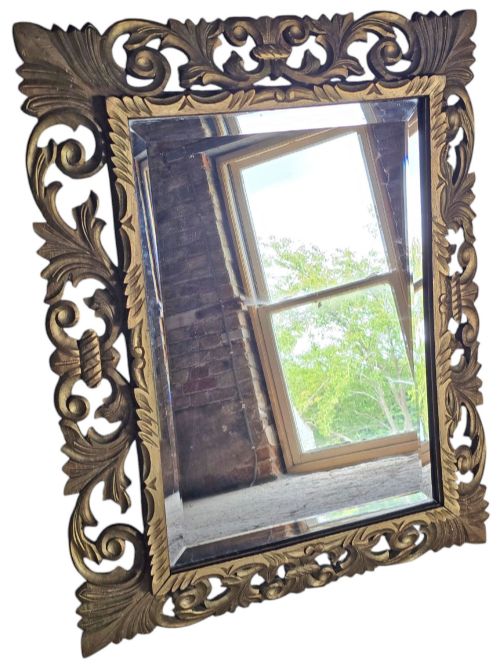
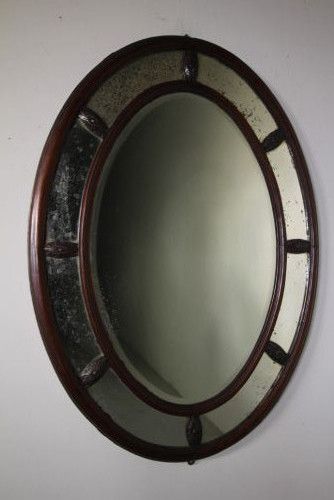
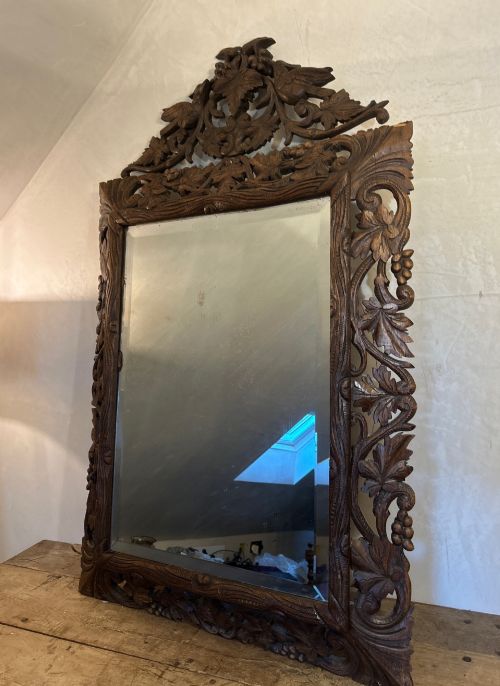
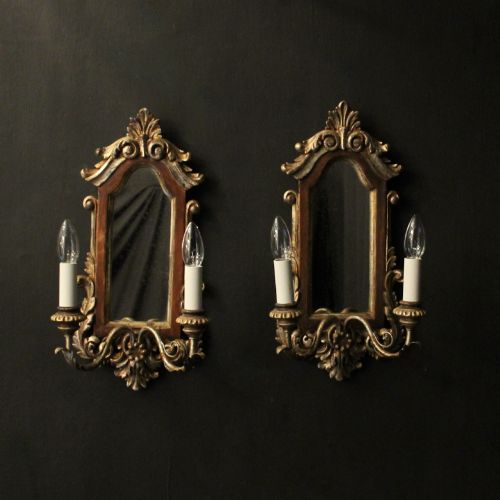
Decorative wood carving encompasses a diverse selection of items, with wall mirrors, picture frames, and wall brackets appearing frequently among the listings. Objects span centuries, moving from sixteenth-century panels and eighteenth-century figures to nineteenth-century overmantel mirrors and early twentieth-century decorative pieces.
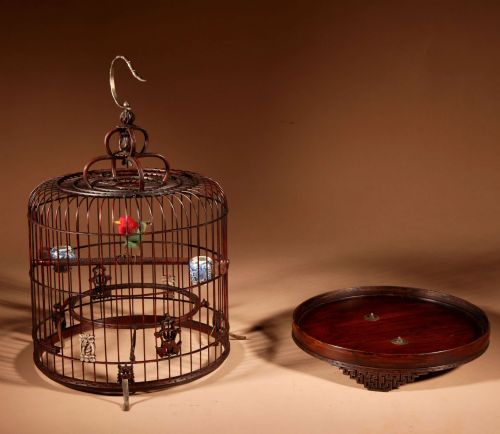
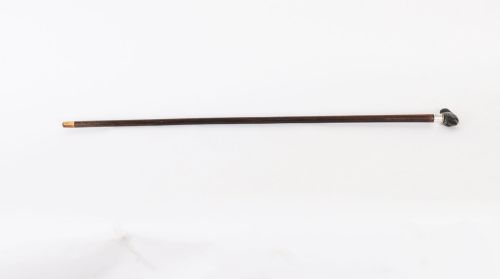
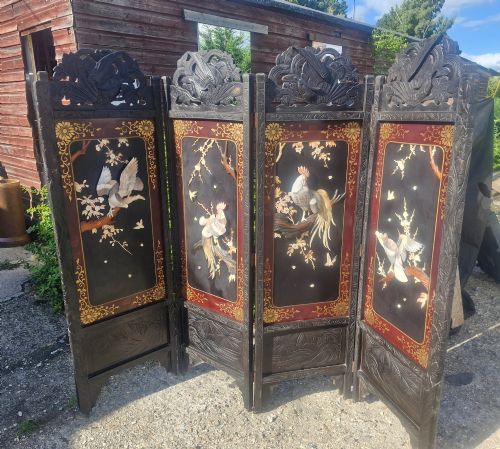
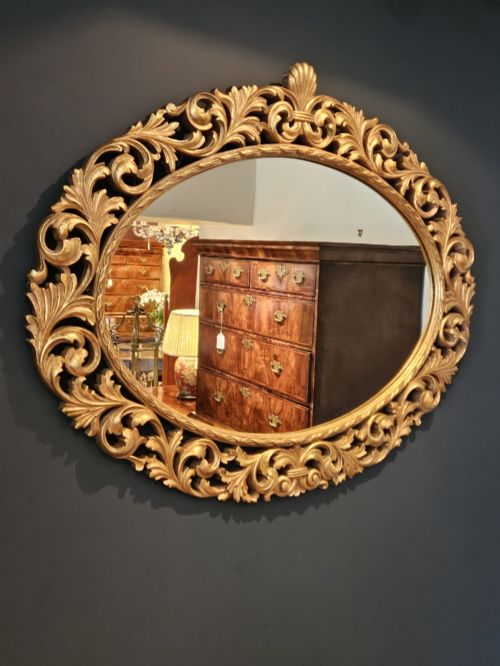
The selection includes international origins and regional styles, ranging from Italian Rococo giltwood frames and French mirrors to Middle Eastern trunks, Japanese screens, and Chinese bamboo work. Buyers encounter everything from large architectural salvage and console tables to smaller novelty items like walking sticks and bookends.
Domestic English pieces sit alongside Continental European designs, utilising local timbers such as oak, mahogany, and walnut alongside exotic hardwoods. The category also embraces gilded surfaces and gesso work where the carved timber forms the structural base for ornamental plaster finishes.
Materials and Techniques
Craftsmen utilised both native timbers like oak, walnut, and mahogany and softwoods to form the structural base of each carving. Hardwoods allowed for crisp, detailed incisions in architectural elements and furniture, while softer woods accommodated deep relief work.
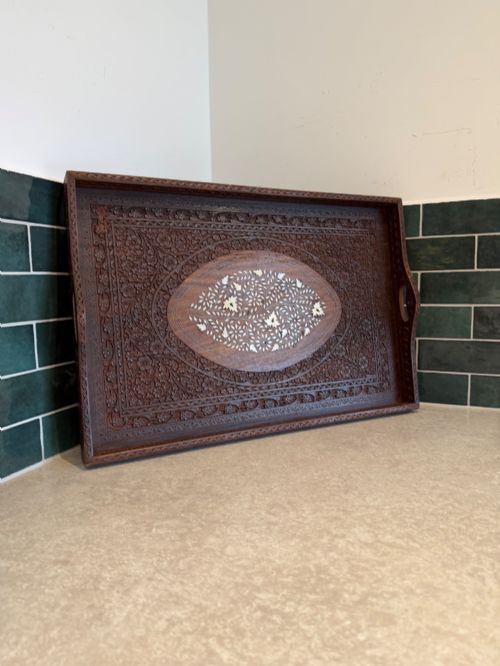
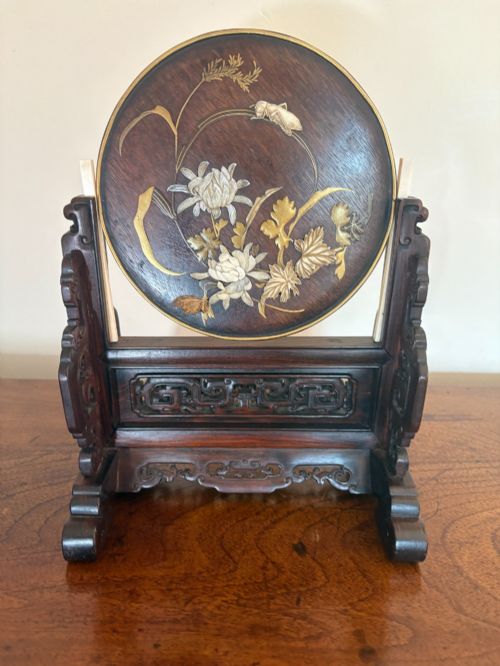
Many surfaces received a layer of gesso before undergoing gilding with gold or silver leaf, creating reflective finishes seen on mirrors and consoles. Artisans also integrated inlay materials such as mother-of-pearl and bone into hardwood surfaces to enhance visual depth.
Listings feature items spanning from the 16th century through to the 1930s, incorporating materials such as gesso, tortoiseshell, and mother-of-pearl alongside standard hardwoods.
Defining Quality
Depth and sharpness of the chisel work dictate the initial visual impact of a carving, separating surface embellishment from true sculptural depth. Superior examples show confident undercutting and fluid lines that demonstrate the carver's mastery over the timber.
The preservation of original gilding, gesso, and surface patination heavily influences the standing of an antique piece. Intact original finishes maintain historical integrity, whereas heavy restoration or later re-gilding alters the authentic appearance of the object.
The Decorative Wood Carving Glossary
- Giltwood
- Timber that has been coated with gold leaf or gold paint. This technique was frequently applied to ornate mirrors and frames during the eighteenth and nineteenth centuries.
- Gesso
- A plaster-like mixture applied to wood surfaces as a preparation for gilding or painting. It provides a smooth base that can be moulded into relief ornaments before being gilded.
- Linenfold
- A style of wood carving that mimics folded linen cloth. It is commonly found on panels dating from the sixteenth century.
- Overmantel
- A large mirror or decorative panel designed to be hung specifically above a fireplace mantelpiece. These pieces often feature extensive carving and giltwood frames.
- Shibayama
- A Japanese craft technique involving the inlay of precious materials such as mother-of-pearl, ivory, and bone into wood or lacquer surfaces.
Decorative Wood Carving: Frequently Asked Questions
How do I date an old carved frame?
Dating relies on examining the timber species, the style of the gesso application, and the tooling marks left on the reverse of the wood. Eighteenth-century pieces often display different construction methods and joinery compared to nineteenth-century examples.
Examinations under magnification can reveal whether surfaces retain their original gilding or have undergone later restoration work over the base layers.
Where should I hang a carved wall mirror?
These mirrors suit placement above fireplaces as overmantels or on principal walls in reception rooms where natural light can catch the giltwood surface. Their substantial frames add focal weight to an interior space.
Ensure the wall structure can support the combined weight of the timber frame and the glass plate, particularly for large nineteenth-century pieces.
How do I clean antique carved wood?
Dust gently using a soft, dry brush to remove particles from deep recesses without disturbing the patina or flaking fragile gesso. Avoid chemical sprays or excessive moisture which can damage aged finishes.
Maintained with care, the timber and gilt surfaces retain their historical appearance over decades of domestic display.
What is the difference between oak and walnut carvings?
Oak offers a robust, coarse-grained texture suitable for heavy architectural salvage, linenfold panels, and sturdy furniture from earlier centuries. Walnut provides a finer grain that allows for intricate, sharp detailing on smaller mirrors and decorative items.
Both timbers respond differently to carving tools, giving each material its own distinct aesthetic quality.