







Decorative Wood Box
A decorative wood box brings centuries of refined storage to a room, holding small treasures while showing remarkable cabinetwork.
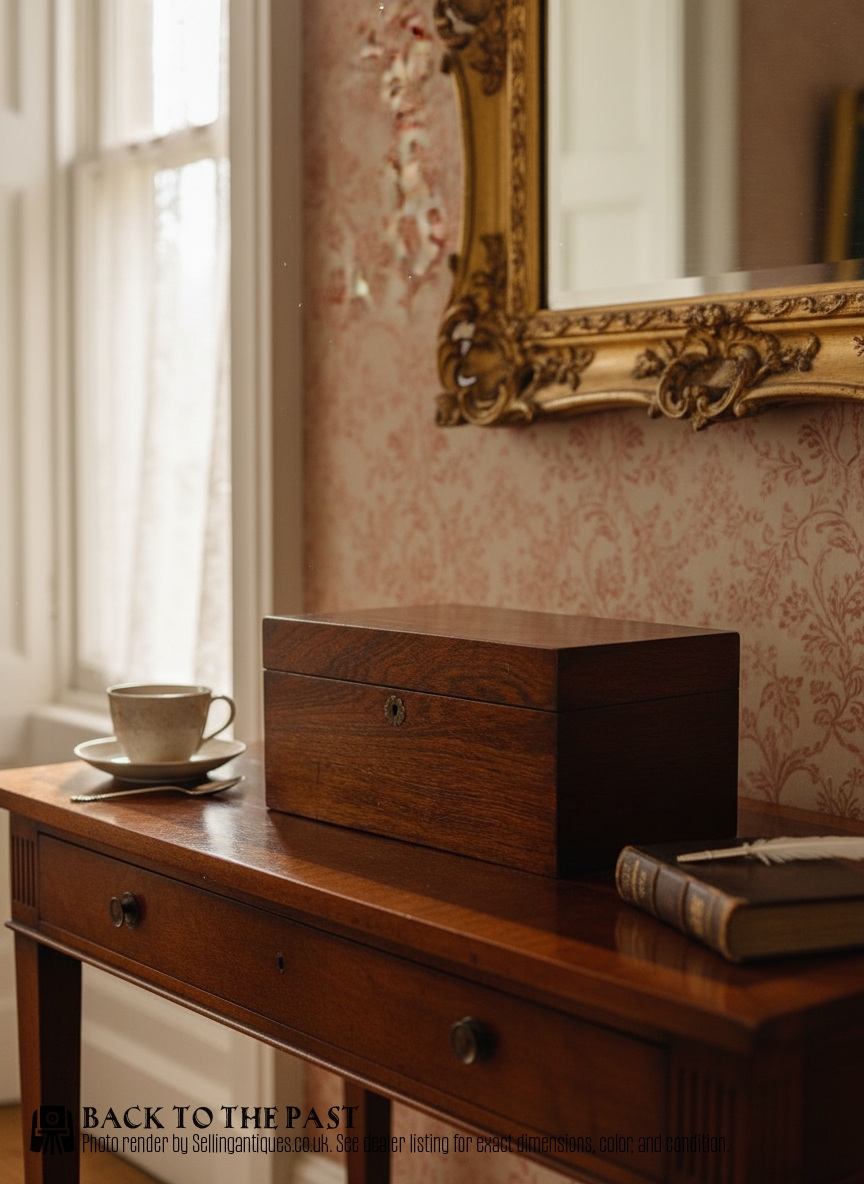
Decorative Wood Box
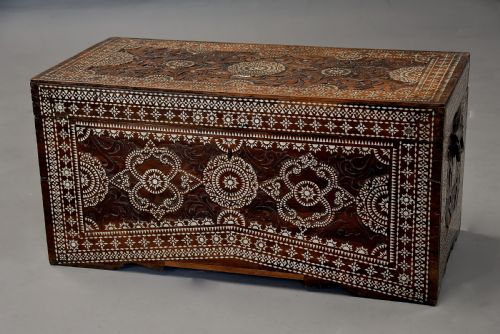
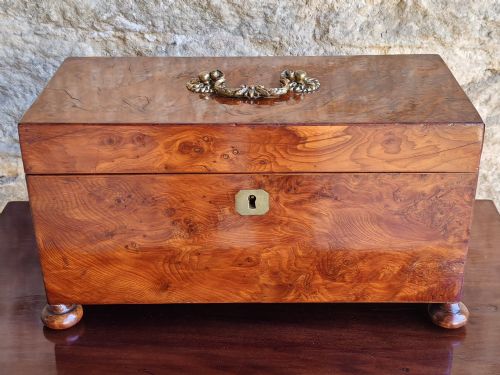
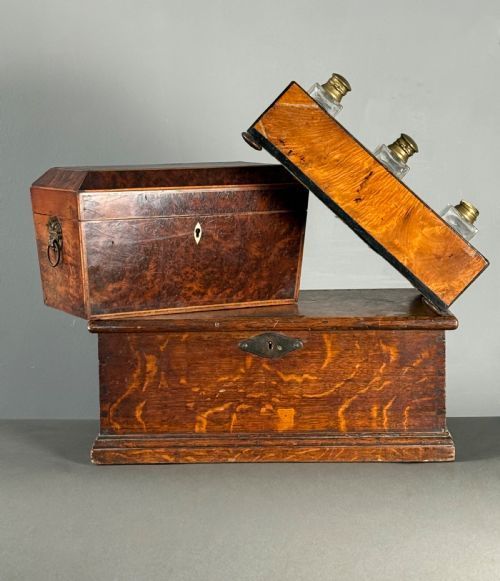
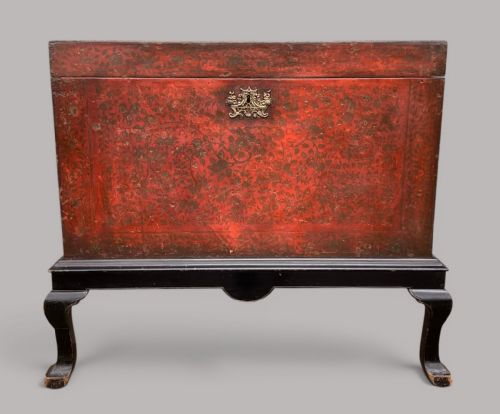
A decorative wood box spans multiple centuries of craftsmanship, ranging from tea caddies and jewellery cases to larger trunks and caskets. Buyers searching this phrase encounter examples from the seventeenth, eighteenth, and nineteenth centuries, alongside regional pieces from Victorian, Regency, and Georgian periods.
The selection here includes specialised forms such as writing boxes, correspondence caskets, and spice towers, alongside simple keepsake boxes. Regional and export pieces from Chinese, Indian, Middle Eastern, and European workshops appear frequently across the listings.
Most items serve as tabletop display pieces or small storage receptacles, utilising native hardwoods and exotic timbers. The functional intent varies from holding dried tea leaves to safeguarding letters and trinkets.
Materials and construction
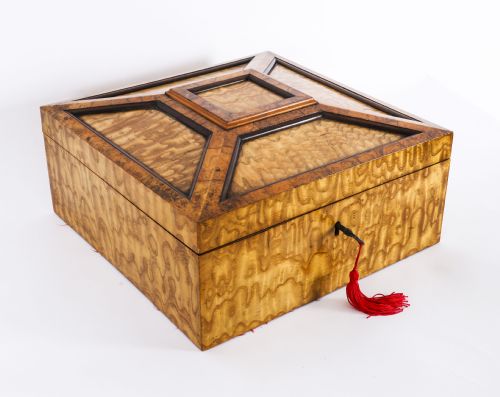
Makers utilised a diverse palette of timbers, combining structural hardwoods like oak, walnut, and mahogany with decorative veneers such as rosewood, coromandel, burr maple, and yew. Exotic materials frequently augmented the timber surfaces.
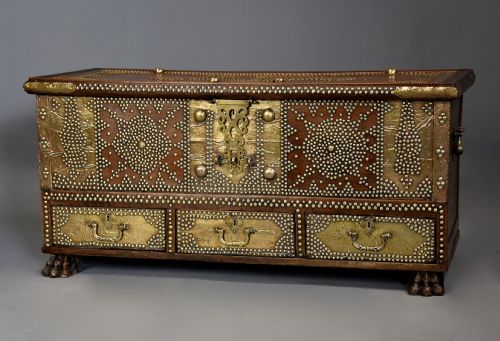
Inlay work defined much of the ornamentation, incorporating brass, mother of pearl, bone, boxwood stringing, and microscopic mosaic patterns such as Tunbridge ware. Metal mounts, brass studs, and locking mechanisms provided structural reinforcement and security.
One nineteenth-century offering is carved entirely from a single coconut shell.
Standards of craftsmanship
Quality rests in the precision of the joinery and the selection of figured wood grains, where burr timbers and matched veneers demand superior skill from the cabinetmaker. The integration of complex inlay work, such as intricate brass stringing or micro-mosaic parquetry, separates standard production from exceptional pieces.
Original interior fittings, functional locks with matching keys, and intact surface patination elevate a piece significantly. The harmony between exterior decoration and internal compartment layout dictates the overall success of the design.
Gill and Reigate
The Decorative Wood Box Glossary
- Tea caddy
- A specialised container designed to store loose tea leaves, often featuring internal lidded compartments and sometimes fitted with a glass mixing bowl.
- Tunbridge ware
- A form of decorative woodworking originating in Kent, characterised by intricate mosaic patterns assembled from thousands of tiny tinted wood blocks to form pictorial or geometric designs.
- Coromandel
- A dense, heavily grained tropical Asian hardwood prized for its rich dark colour and striking figuring, frequently utilised in high-end nineteenth-century caskets.
- Marquetry
- The art of applying pieces of veneer to a structural surface to form decorative patterns, pictures, or ornamental scrolls using various coloured woods.
Decorative Wood Box: Frequently Asked Questions
What were tea caddies used for?
Tea caddies stored valuable tea leaves under lock and key when tea was an expensive commodity in British households. The containers preserved the aroma and kept the contents secure from household staff.
Most examples contained two or three internal compartments, sometimes with a central well for blending varieties. The inclusion of a lock reflected the high monetary value placed on the contents during the eighteenth and nineteenth centuries.
How do I date an antique box?
Dating relies on timber choices, construction techniques, and decorative styles typical of specific periods such as Regency or Victorian eras. Secondary woods used for linings and drawer bases also offer clear chronological clues.
Hand-cut dovetails, original brass hardware, and regional carving methods help narrow down the decade of manufacture. Comparing the construction methods to known dated examples provides the firmest timeline.
Are these boxes suitable for daily use?
These pieces function well for storing small modern items like jewellery, keepsakes, or desk accessories. Their robust hardwood construction allows them to endure regular handling when treated with care.
Antique hinges and delicate veneer surfaces require gentle treatment to preserve their structural integrity. Placing them away from direct sunlight and extreme temperature changes protects the timber and inlay.
What is parquetry?
Parquetry is a geometric mosaic of wood veneers arranged in repeating patterns across the surface of a box. Cabinetmakers used contrasting timbers to create three-dimensional optical effects.
This technique required immense precision to ensure tight joints between individual wooden tiles. It appeared frequently on Victorian and Georgian decorative containers to enhance visual depth.