


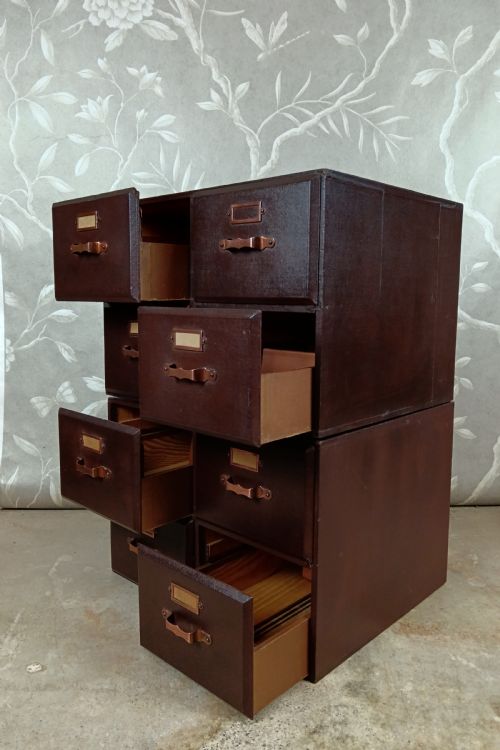


1920s Wooden Box
A 1920s wooden box brings immediate character to a room, offering practical storage disguised in period craft.
1920s Wooden Box
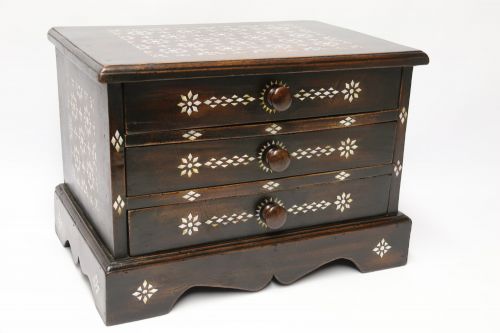
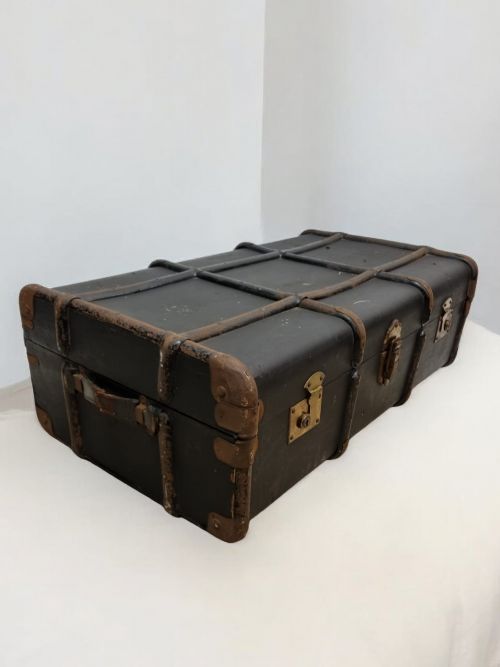
When you search for a 1920s wooden box, you encounter everything from compact jewellery chests to large travel trunks and bench settles. Oak, mahogany, and hardwood dominate the forms, reflecting the robust cabinet-making of the early 20th century.
The pieces on this page span decorative tabletop containers, collector chests, and industrial storage. Many carry the marks of specific utility, such as library card drawers, humidor cigar boxes, and apothecary countertop display cabinets.
While the label covers standard domestic items, you also find regional variations like Anglo-Indian hardwood chests and French hand-painted table boxes. These diverse objects share a reliance on solid timber frames and period hardware.
Materials and Construction
Makers utilised solid timbers like oak and mahogany alongside exotic veneers such as laburnum oyster and Madagascar ebony. Construction relies on traditional joinery, often reinforced with brass and white metal hardware.
Surface finishes range from natural stripped oak and ebonised polish to hand-painted details. Interior fittings frequently incorporate velvet linings, fitted trays, and compartmentalised sections designed for specific contents like games or documents.
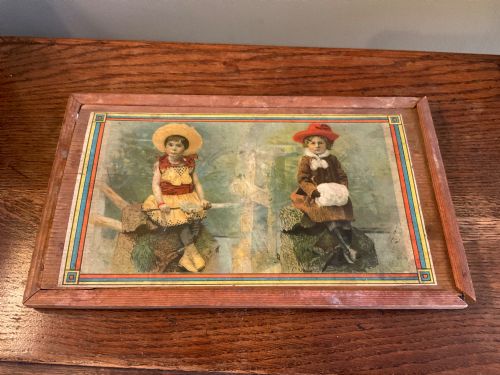
Among the storage solutions hides a miniature children's watercolour set ready for an impromptu landscape painting session.
Judging Quality and Execution
The distinction between standard utility items and finer examples rests upon the choice of timber and the precision of the joinery. Finer chests employ decorative veneers like laburnum oyster or intricate carved details rather than plain surfaces.
Original hardware elevates a piece significantly. Retaining the original brass locks, handles, and hinges preserves the integrity of the object, whereas replaced elements alter the character of the box.
The 1920s Wooden Box Glossary
- Veneer
- A thin slice of superior wood glued to a base panel. This technique allows cabinet-makers to display striking grain patterns on box lids.
- Ebonised
- Wood treated to resemble ebony. This dark finish appears frequently on jewellery chests and display pieces from the period.
- Humidor
- A moisture-controlled storage container designed for cigars. These internal compartments typically feature tight-fitting wooden seals.
- Settle
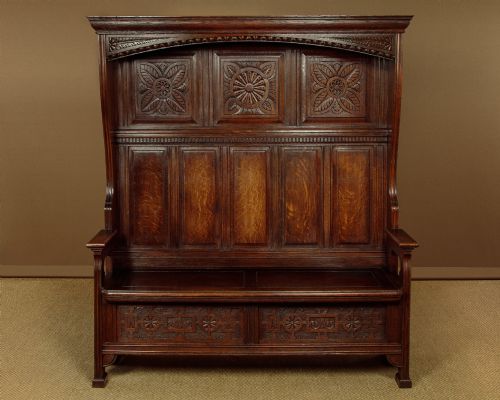
- A wooden bench featuring a high back and a box seat beneath. Several examples from this period incorporate carved oak panels and hinged storage.
1920s Wooden Box: Frequently Asked Questions
Are these boxes suitable for daily use?
Most of these pieces were built for practical storage and handle everyday opening and closing well. Jewellery chests, desk boxes, and small trunks function reliably for contemporary organisation.
Delicate items with fragile veneers or painted surfaces require gentle handling to preserve their decorative elements. Place them away from direct sunlight and heat sources to prevent timber warping.
What is a box settle?
A box settle combines seating with built-in storage beneath the bench. The seat lifts up to reveal a large compartment once used for blankets or boots.
These heavy oak pieces served as hall furniture in early 20th-century homes. Their high wooden backs offered protection from drafts.
How do I identify a 1920s piece?
Examine the construction methods, hardware materials, and secondary woods used inside the box. Screws, hinges, and lock mechanisms often reveal the manufacturing era.
Stylistic cues such as Jacobean Revival carving or early utility designs help narrow the date. Comparing the timber grain and wear patterns provides further confirmation of age.