




Polished Wooden Box
A polished wooden box brings the warmth of figured grain and disciplined joinery straight into a room, serving as a functional repository for precious keepsakes.
Polished Wooden Box
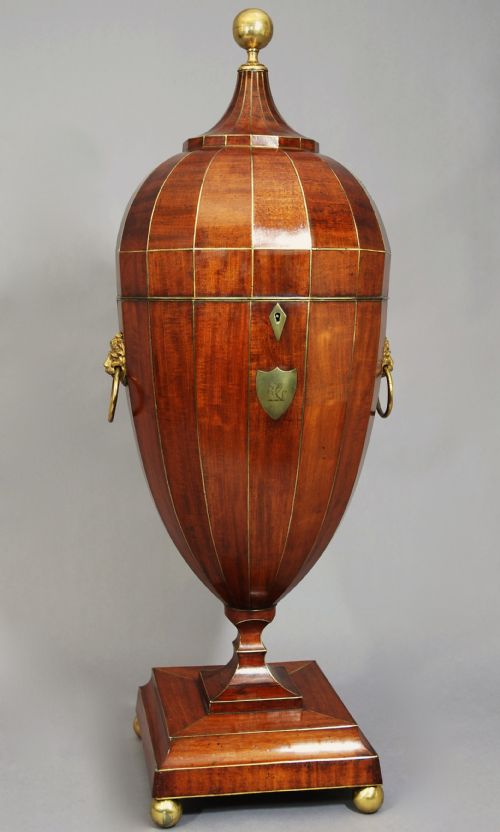
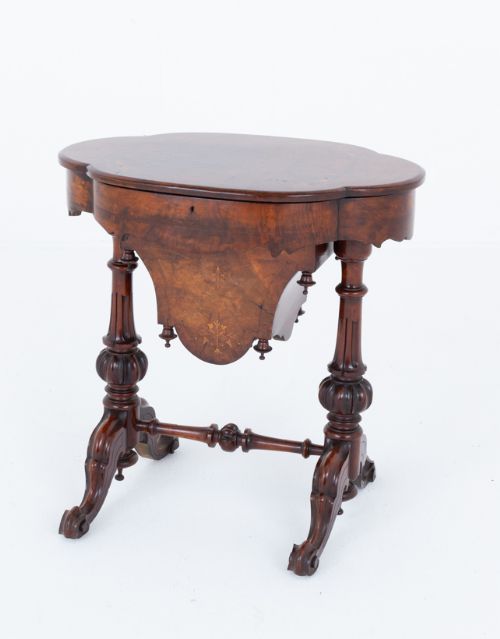
When you search for a polished wooden box, you encounter a remarkably varied selection of containers spanning from the eighteenth century through the Edwardian era, each shaped by the specific domestic or utilitarian purpose it originally served. The forms range from grand cutlery urns and cellarets to intimate tea caddies, sewing tables, writing slopes, and travelling chests.
The pieces listed on this page lean heavily toward nineteenth-century Victorian examples, alongside Georgian and Edwardian items. These domestic objects display traditional craftsmanship designed to organise daily life, whether holding spices, tea, letters, or technical drawing instruments.
Materials vary widely across the inventory, reflecting the cabinetmaker's choice of dense hardwoods and decorative veneers such as mahogany, oak, burr walnut, rosewood, and yew. Many of these boxes incorporate brass mounts, bronze accents, or boxwood stringing to elevate their visual presence.
What varies in quality
The distinction between ordinary utility containers and exceptional pieces lies in the choice of timber and the sophistication of its presentation. Selected veneers with lively burr patterns or unusual woods like partridge wood and yew elevate a box far above standard pine or plain oak.
Construction details also dictate standard, particularly the precision of internal fittings in writing slopes and tea caddies, as well as the integration of quality brass hardware. Maker attribution, such as signed works by Tahan of Paris or Mechi & Bazin, places certain pieces at the upper end of the range.
An anonymous Victorian artisan once polished a humble pine blanket box until it possessed more presence than a grand drawing room cabinet.
Tahan of Paris·Mechi & Bazin
The Polished Wooden Box Glossary
- Tea caddy
- A small container specifically designed to store tea leaves securely, often featuring internal compartments or mixing bowls. These boxes were key domestic accessories when tea was an expensive commodity.
- Writing slope
- A portable desk featuring a slanted writing surface that often folds open to reveal a fitted interior for inkwells, pens, and stationery. They were essential for correspondence before fitted studies became common.
- Cellaret
- A lockable container used for storing bottles of wine or spirits, typically housed in dining rooms during the Georgian and Victorian periods. They often incorporated lead linings or robust brass mounts.
- Burr walnut
- A prized timber veneer harvested from the wart-like growths on walnut trees, characterised by swirling, highly decorative grain patterns. Cabinetmakers used it on the exterior surfaces of high-status table boxes and sewing tables.
- Treen
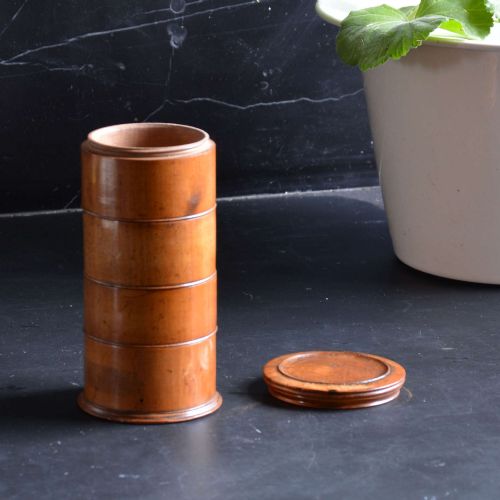
- Small handmade wooden household objects, ranging from utilitarian items to decorative pieces. The term encompasses items like spice towers and small turned vessels.
Polished Wooden Box: Frequently Asked Questions
What were tea caddies used for?
Tea caddies served to store precious tea leaves safely away from moisture and prying hands. Because tea was heavily taxed and expensive, these boxes were often fitted with locks and interior compartments.
Wealthy households kept them in public rooms to showcase status, relying on servants to dispense the leaves when required.
Are these boxes made from solid wood?
Many boxes utilise a stable secondary timber like pine or oak for the main carcass, which is then covered in decorative veneers such as mahogany, burr walnut, or rosewood. This method prevented warping while presenting an expensive exterior surface.
Solid construction does appear on utilitarian items like pine blanket boxes and specific treen pieces.
How do I care for a polished wooden box?
Keep wooden boxes away from direct sunlight and sudden temperature shifts to prevent the timber and veneer from cracking. Occasional dusting with a soft, dry cloth maintains the polished finish without building up heavy wax residues.
Ensure metal mounts remain dry to avoid tarnishing the brass and bronze elements.