




Edwardian Style Trinket Box
These pieces are edwardian style trinket box designs, offering small storage for keepsakes and jewellery through crafted metal and timber forms.
Edwardian Style Trinket Box
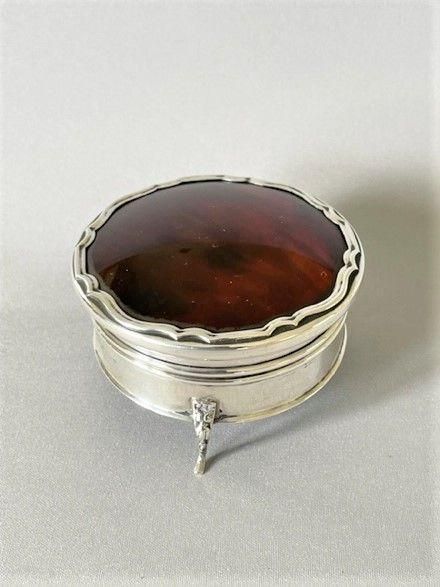
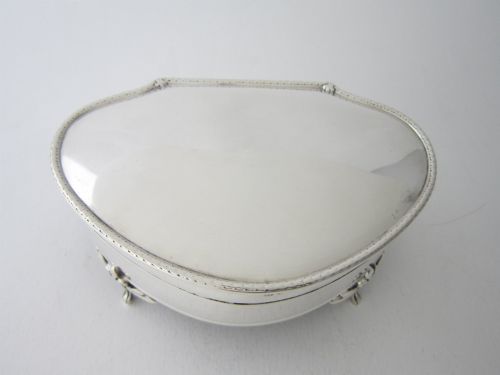
An edwardian style trinket box appears in various forms, ranging from small silver dressing table boxes to larger jewellery caskets and display tables. Buyers searching for an edwardian style trinket box often encounter pieces spanning the late nineteenth century through to the early decades of the twentieth century, reflecting overlapping Victorian, Edwardian and George V periods.
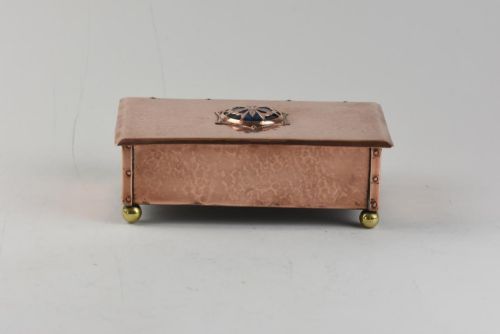
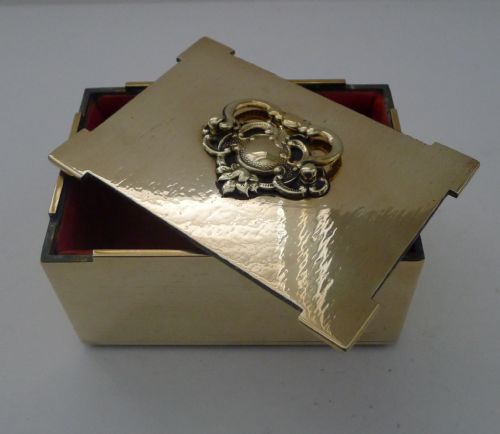
The selection includes specific regional and stylistic expressions, such as Arts and Crafts metalwork, Dutch wooden boxes and French cast brass caskets. These small caskets and boxes serve both decorative and practical functions on dressing tables and surfaces.
How they were made
Makers utilised metals such as sterling silver, brass, copper, and pewter, often shaping them through repousse techniques or casting. Enamel panels and cabochons frequently provide colour contrast against the metal surfaces.
Timber boxes employ woods such as walnut, laburnum, and coromandel, sometimes featuring inlaid decoration or carved details. Interiors are occasionally lined with materials like velvet to protect stored items.
What varies in quality
The standard of metalwork distinguishes different examples, particularly the crispness of repousse detail in copper and pewter or the weight of cast brass and sterling silver. Hand-decorated elements and the integration of enamel components require distinct artisan skill.
Woodwork quality reveals itself in the precision of box construction, the choice of timber such as figured walnut or laburnum oyster veneers, and the condition of any inlaid surface work.
William Comyns·Liberty and Co·Hunter and Palmer
The Edwardian Style Trinket Box Glossary
- Repousse
- Metalworking technique where the metal is hammered from the reverse side to form a raised design on the front. This method creates tactile surface relief on copper and pewter boxes.
- Cabochon
- A gemstone or piece of enamel shaped and polished with a smooth, rounded top rather than faceted edges. These often form central decorative focal points on metal boxes.
- Bijouterie
- Small decorative objects and jewellery, which gave rise to glazed display tables designed to showcase such items. These tables function as larger counterparts to tabletop boxes.
- Oyster veneer
- Timber veneer cut transversely across small branches or roots to produce circular or oyster-like patterns in the wood grain. This technique appears on decorative boxes from the period.
Edwardian Style Trinket Box: Frequently Asked Questions
What are trinket boxes made from?
These boxes utilise a range of materials including sterling silver, brass, copper, pewter, and various timbers like walnut and coromandel. Enamel and velvet frequently appear as supplementary decorative and lining materials.
Metal examples often showcase repousse work or casting techniques, while wooden versions display inlays, carving, or distinctive veneer patterns.
How do I date an edwardian box?
Dating relies on stylistic markers, materials, and occasionally hallmarks on silver pieces that indicate specific assay offices and years of production. Overlapping design movements mean pieces from the wider period share similar aesthetic traits.
Examining construction methods, hinges, and interior linings also helps determine the approximate decade of manufacture.
Were these boxes used for jewellery?
Many examples function interchangeably as trinket containers, dressing table boxes, and jewellery caskets. Their interior spaces and velvet linings were intended to hold rings, pins, and small personal valuables.
Larger variants served as desktop receptacles or display pieces for precious keepsakes.