






Decorative Pottery Wall Charger
These decorative pottery wall chargers span centuries of earthenware and porcelain traditions, offering bold colour and painterly detail for the home.
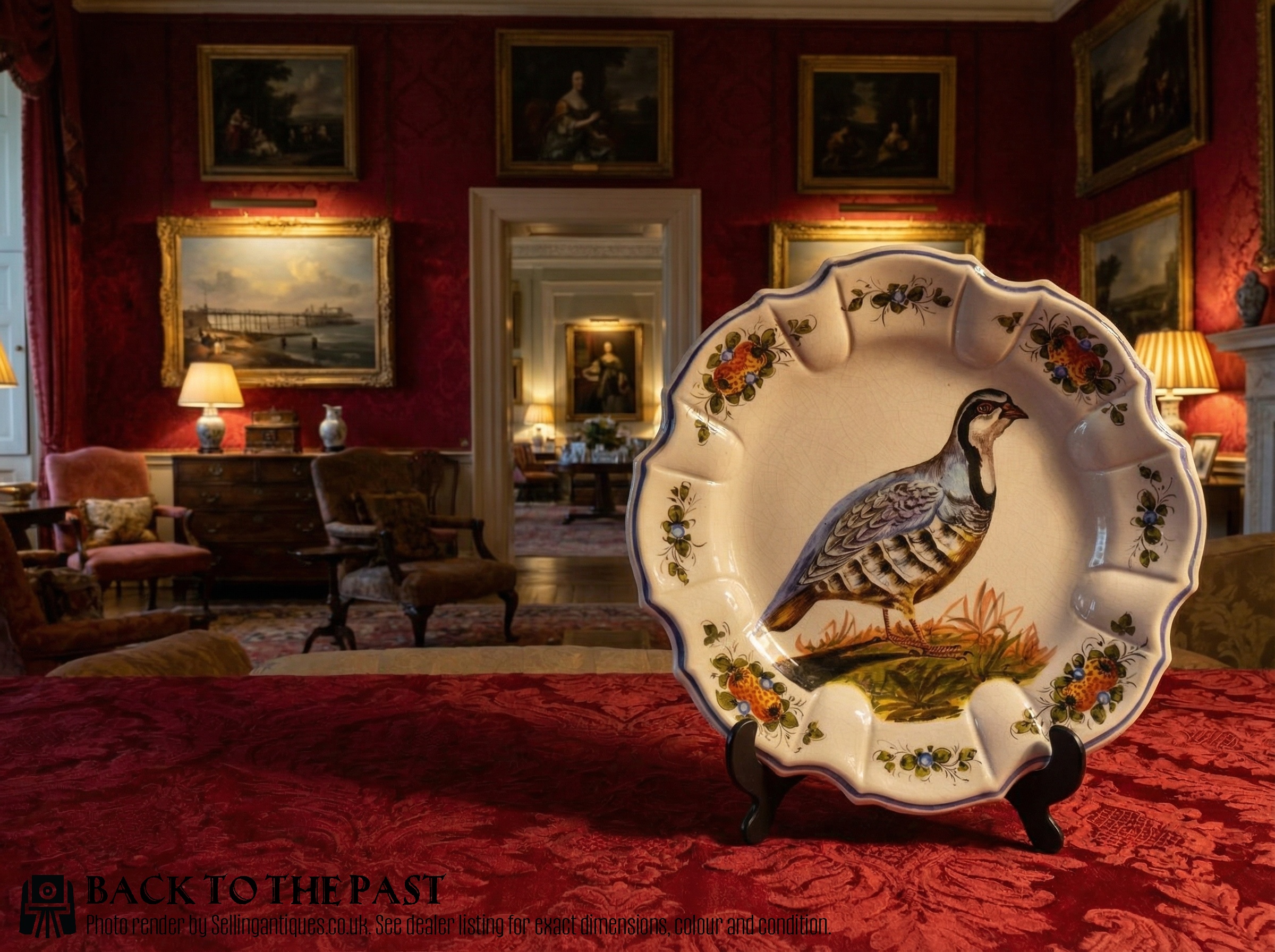
Decorative Pottery Wall Charger
A decorative pottery wall charger serves as a striking focal point, combining historical craft with large-format ceramic surfaces. Buyers search for these pieces to bring traditional colour, pattern, and substantial scale into modern interiors.
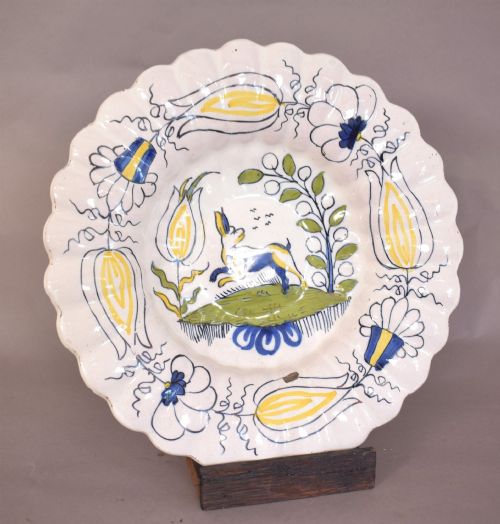
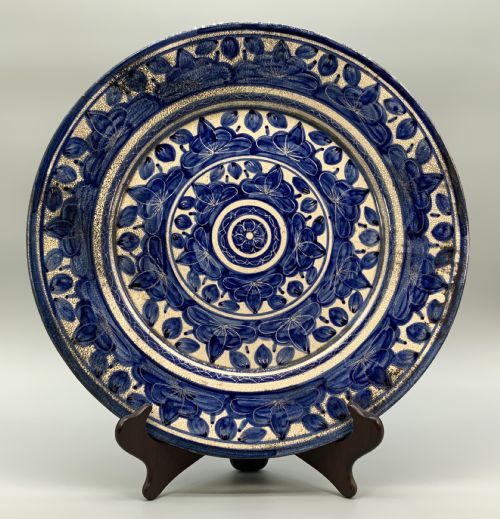
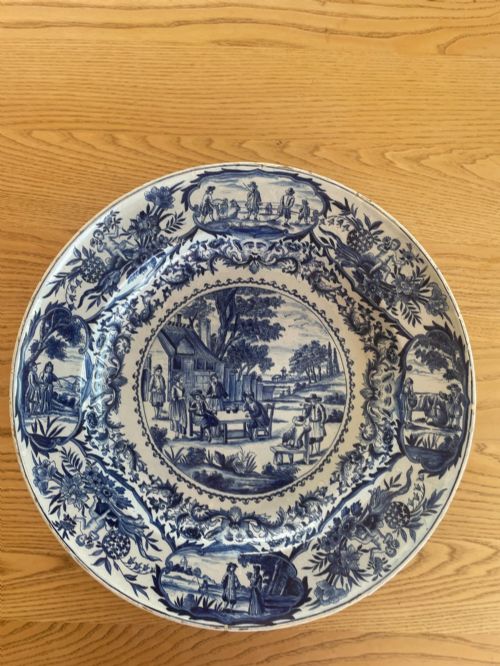
The selection ranges widely across eras and origins, drawing on centuries of European and Asian ceramic arts. English earthenware plaques, Dutch Delft chargers, and Japanese Imari porcelain form the core of the available types.
Styles span from seventeenth-century tin-glazed earthenware to Art Deco geometric porcelain and Victorian pictorial scenes. Formats include circular plates, shallow dishes, and dedicated wall plaques meant for suspension.
Materials and technique
Makers shaped these pieces from ceramic bodies such as earthenware, ironstone, and porcelain, frequently applying tin-glaze or transparent lead glazes to seal the surface. Cobalt pigment and polychrome enamels provided the primary palette for hand-painted motifs.
Firing techniques ranged from low-temperature earthenware kilns to high-fired porcelain production. Grand feu decoration and underglaze blue painting allowed pigments to fuse permanently with the glassy surface during intense heat.
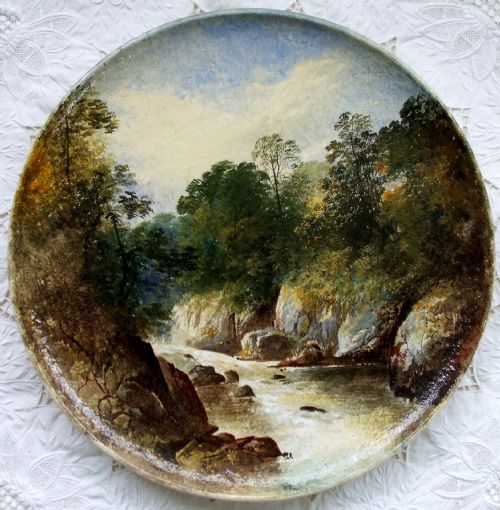
Certain nineteenth-century English pottery plaques capture specific Welsh beauty spots, ensuring the scenery stays damp even indoors.
Judging quality
Quality rests primarily on the crispness of the hand-painted brushwork and the depth of the glaze. Pieces decorated by named artists or produced in established workshops display superior artistic control over colour blending and composition.
The integrity of the ceramic body and the preservation of the original glaze surface dictate overall desirability. Strong throwing technique, balanced proportions, and clear maker marks separate standard production wares from exceptional examples.
Koshida·William Yale·Clarice Cliff·Mintons·Charlotte Rhead
The Decorative Pottery Wall Charger Glossary
- Charger
- A large decorative plate traditionally used for display rather than dining. These substantial pieces measure wider than standard dinner plates and feature pierced foots rings or hanging wires for wall mounting.
- Tin-glazed earthenware
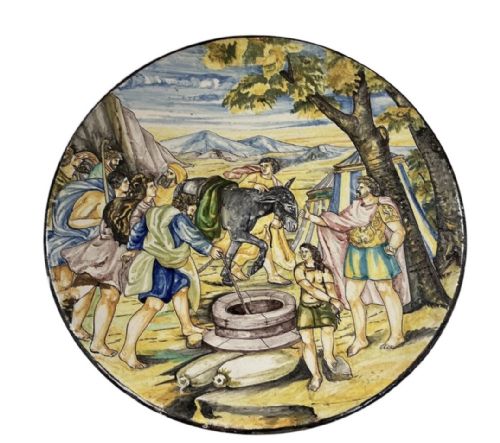
- Pottery covered with a white opaque glaze containing tin oxide, providing a smooth canvas for painted decoration. This technique defines traditional Delft, Maiolica, and Faience wares.
- Imari
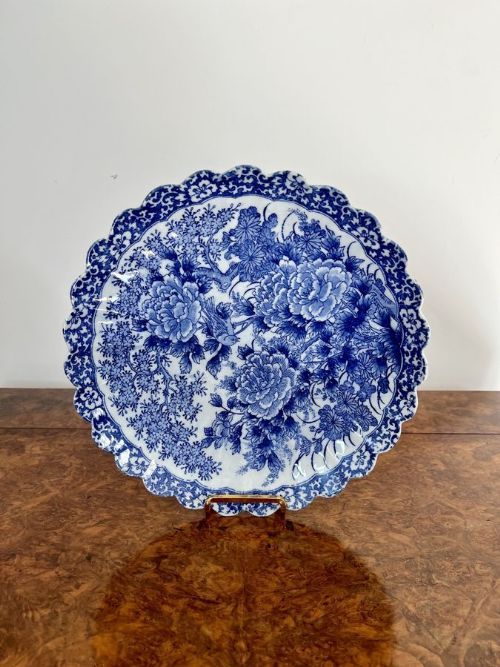
- Japanese porcelain decorated in underglaze blue, iron red, and gold. This distinct aesthetic was widely copied by European potteries during the nineteenth century.
- Grand feu
- A high-temperature firing technique used for ceramics. It allows cobalt manganese pigments to merge deeply with the glaze, producing rich and enduring tones.
- Faience
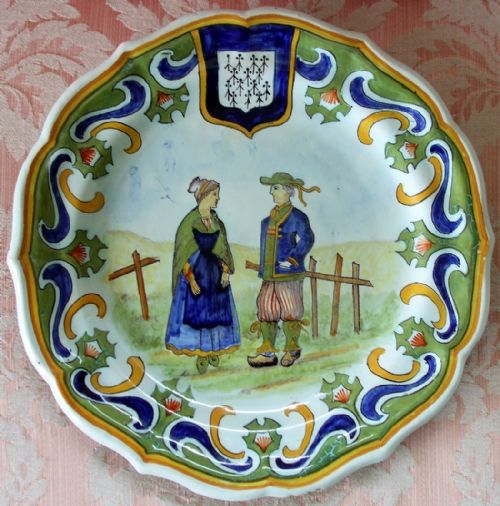
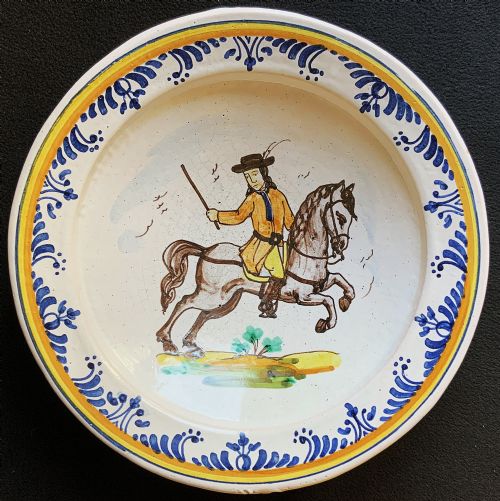
- European tin-glazed earthenware produced in France, Spain, and other regions. The technique yields a creamy white background suitable for elaborate narrative painting.
Decorative Pottery Wall Charger: Frequently Asked Questions
What is the difference between Delft and Maiolica?
Delft ware originates primarily from the Netherlands and England, utilising tin-glaze to achieve a pale background for blue-and-white or polychrome painting. Maiolica refers to the Italian tradition of tin-glazed earthenware known for vibrant Renaissance revival colours.
Both techniques share similar chemical properties in their glaze composition, but the artistic styles reflect the distinct regional aesthetics of their respective workshops.
How should I clean antique pottery wall chargers?
Dust these decorative pieces gently with a soft, dry brush or microfibre cloth to remove surface particles. Avoid submerging historical earthenware in water, as old glaze crazing can absorb moisture and stain the porous ceramic body underneath.
Harsh chemical cleaners and abrasive cloths will damage fragile overglaze enamels and historical gilding permanently. Professional conservation cleaning is recommended for pieces with unstable surfaces.
Can I display these chargers in direct sunlight?
Direct sunlight can cause pigments and enamel decorations on nineteenth-century and earlier ceramics to fade over many years. Position wall chargers away from south-facing windows to preserve the original intensity of the cobalt and polychrome colours.
Wall placement should also avoid areas subject to high humidity or drastic temperature fluctuations, which can stress brittle ceramic bodies and aged glazes.