




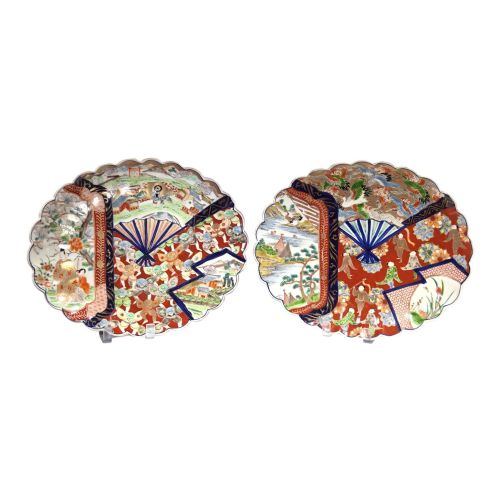


Decorative Porcelain Wall Platter
A decorative porcelain wall platter brings vibrant colour and intricate hand-painted detail to any room, offering a striking focal point for interior display.
Decorative Porcelain Wall Platter
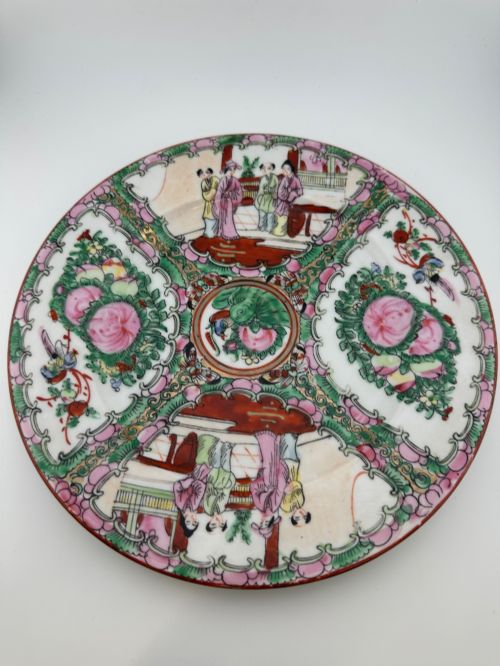
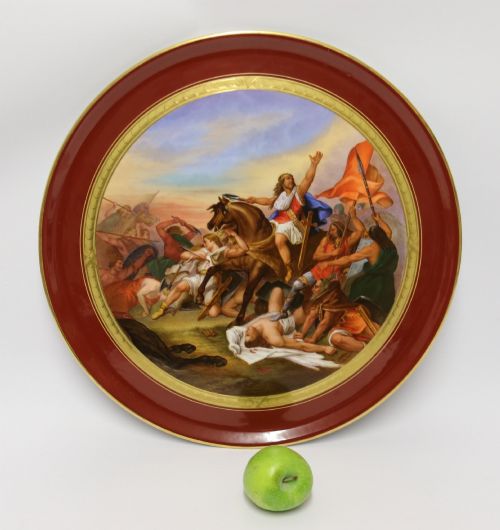
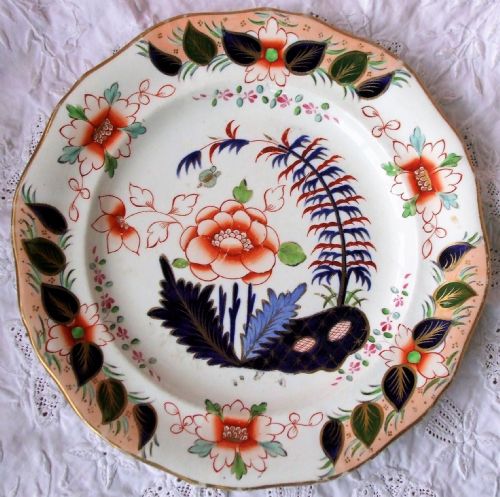
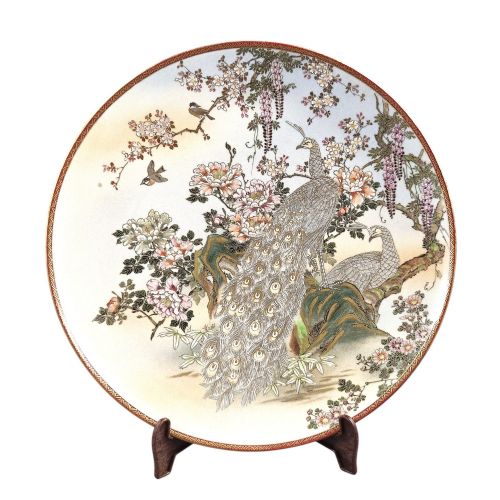
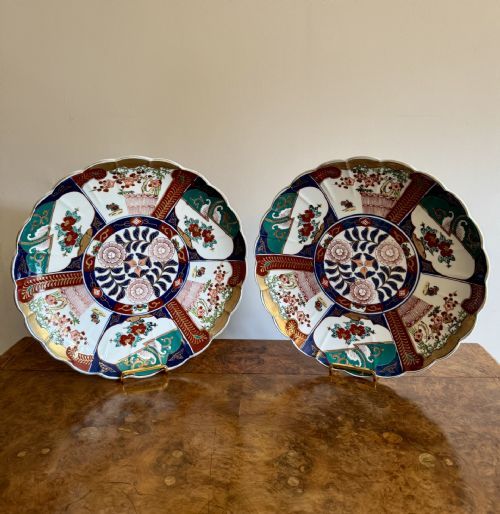
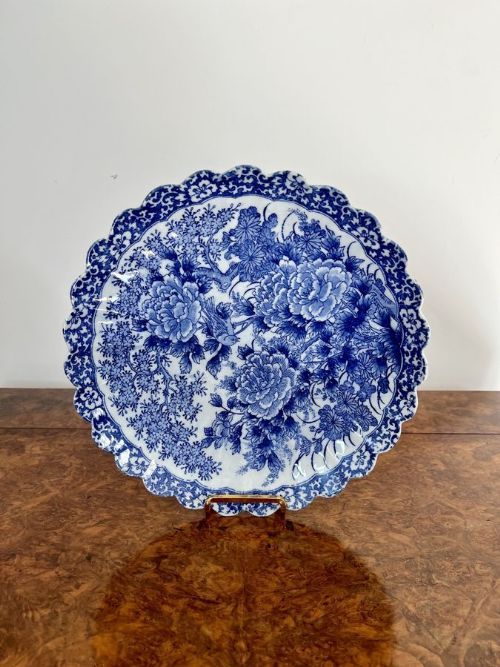
When you search for a decorative porcelain wall platter, you encounter a variety of large presentation plates and chargers designed primarily for display rather than dining. The examples on this page span the nineteenth and early twentieth centuries, encompassing diverse artistic traditions from European factories and Japanese kilns.
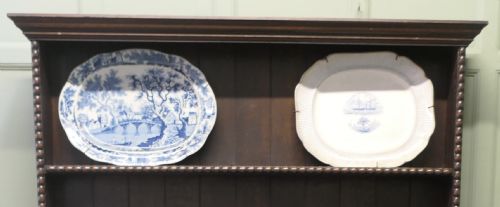
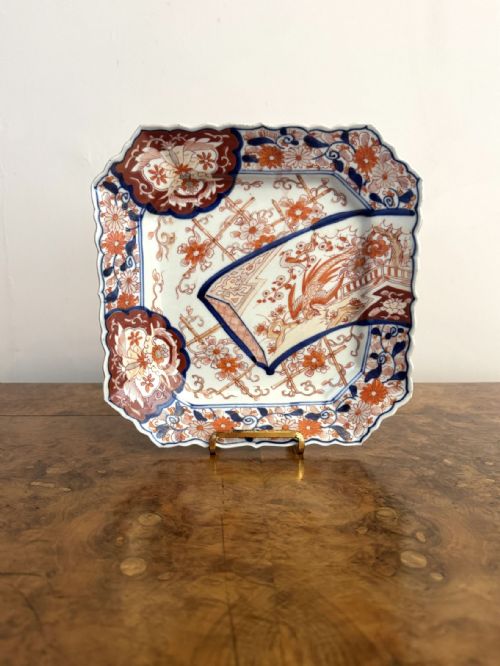
You are most likely to meet large Japanese Imari chargers featuring cobalt blue and iron red decoration, alongside French Paris porcelain and English ironstone plates. These items range from square shaped plates to massive circular chargers intended to hang upon a wall or rest on a cabinet.
The selection reflects both European neoclassical and oriental aesthetic influences, capturing the global tastes of the Victorian and Edwardian eras. Each piece demonstrates the versatility of ceramic art used as interior decoration over past centuries.
How they were made
Potters shaped ceramic or porcelain bodies by hand or mould before applying initial cobalt underglaze pigments for deep blue tones. Artisans then layered enamel colours and gold leaf over the glaze, firing the pieces multiple times in kilns to fix the intricate designs.
Japanese makers utilised traditional techniques seen in Kutani, Arita, and Satsuma wares, often employing moriage relief work to create textured surfaces. European workshops in France and England combined hand-painted pictorial scenes with rich gilding upon hard paste porcelain and ironstone.
Listings feature porcelain, enamel, gold leaf, and cobalt underglaze across Victorian, Edwardian, and nineteenth-century periods.
What varies in quality
The distinction between ordinary and exceptional plates lies in the crispness of the hand painting and the complexity of the palette. Superior items exhibit finely drawn details, such as the scales on koi carp or the expressions on the faces of figures, executed with steady brushwork.
Quality also depends on the richness of the gilding and the depth of the cobalt underglaze, where better pieces maintain bright, unblemished metallic lustre and vibrant contrasting colours without fading or blurring.
John Davenport of Longport·Pucher Deroche·Mason·Coalport
The Decorative Porcelain Wall Platter Glossary
- Imari
- A style of Japanese porcelain decorated in underglaze blue, iron red, and gold. It originated in Arita and became widely exported to Europe.
- Charger
- A large decorative plate or platter. These items were typically hung on walls or used as centrepieces on large tables.
- Moriage
- A type of Japanese ceramic decoration using raised clay applied by hand. This technique creates a distinct tactile relief effect on the surface.
- Ironstone
- A type of heavy durable earthenware patented in England. It bridges the gap between common pottery and fine porcelain.
- Underglaze
- A method of decorating pottery before applying the final glaze. The pigment is painted directly onto the fired ceramic body.
Decorative Porcelain Wall Platter: Frequently Asked Questions
How do I hang a heavy porcelain charger on the wall?
Use a specialised spring-loaded plate hanger designed to distribute the weight evenly across the rim without causing damage to the ceramic body.
Ensure the wall fixing is securely anchored into a stud or uses a proper wall plug to support the substantial weight of large antique chargers safely.
Were these platters meant for dining use?
Most large chargers and cabinet plates from this period served decorative display functions rather than practical dining purposes. Their generous scale and delicate hand-painted enamel surfaces made them unsuited for daily table service.
Historical examples were frequently mounted on walls or showcased on dresser plate rails to display wealth and artistic taste.
How do I distinguish Meiji period Japanese pieces?
Meiji period items date from the late nineteenth to early twentieth century and often combine traditional motifs with refined craftsmanship geared toward export markets. Look for characteristic Japanese Imari palettes or Satsuma earthenware featuring detailed figurative scenes.
Signatures or kiln marks on the reverse can occasionally provide further context regarding the specific workshop or region of origin.
What is the difference between porcelain and ironstone?
Porcelain is a vitrified ceramic material made from kaolin, fired at high temperatures until it becomes hard, white, and translucent. It offers a ringing tone when struck and a refined texture.
Ironstone is a heavy, opaque earthenware developed in England to be more durable and cost-effective while mimicking the appearance of fine porcelain.