






Decorative Porcelain Wall Charger
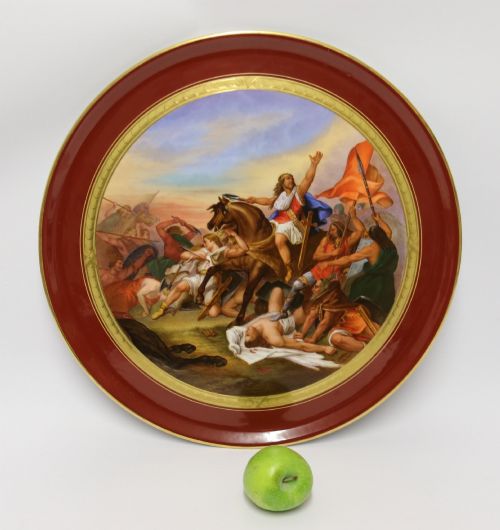
When you search for a decorative porcelain wall charger, you find large display plates designed to hang on walls or sit on cabinets.
Decorative Porcelain Wall Charger
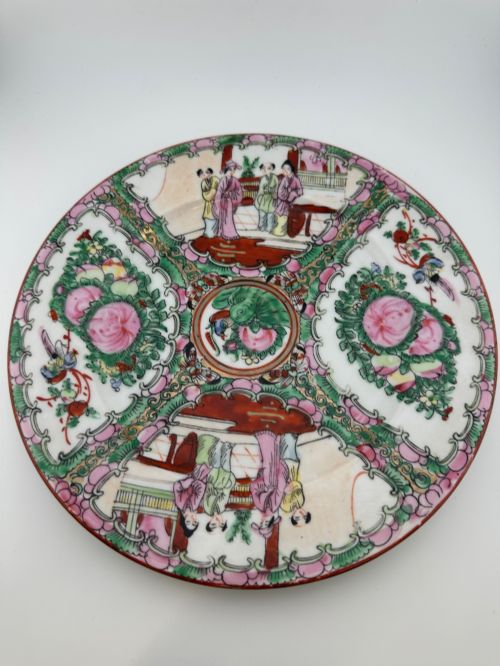
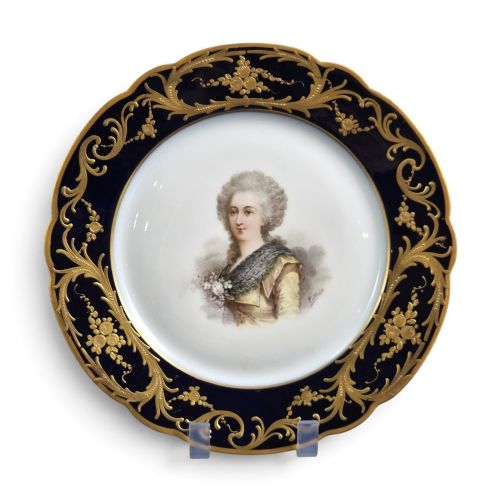
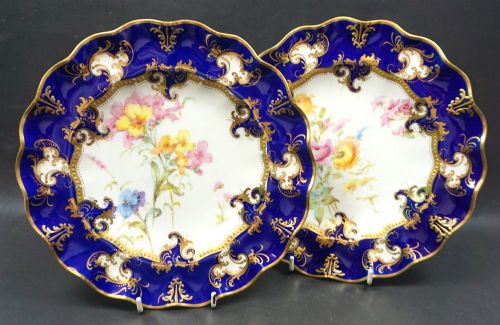
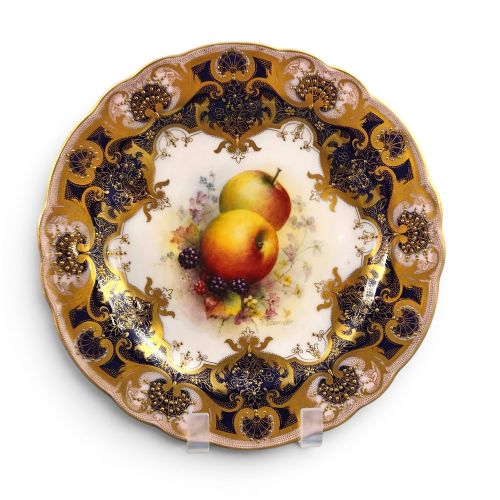
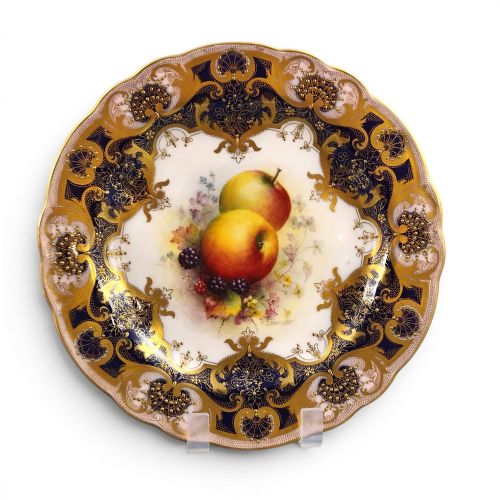
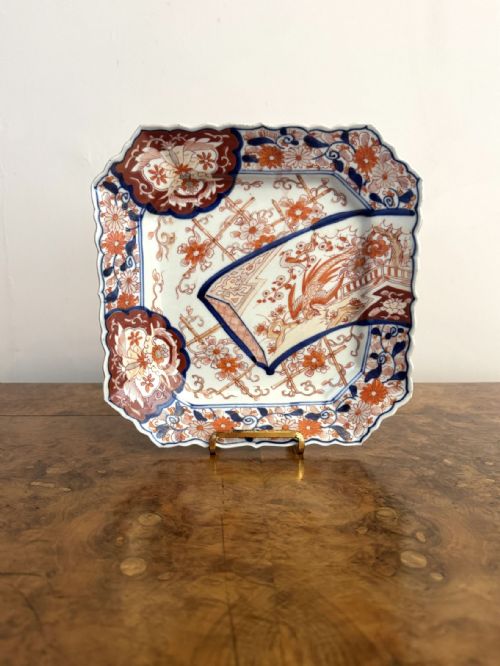
A decorative porcelain wall charger takes the form of a broad, shallow dish intended primarily for visual display rather than dining. The examples gathered under this heading span the nineteenth century into the early twentieth century, taking in both European factories and Japanese kilns.
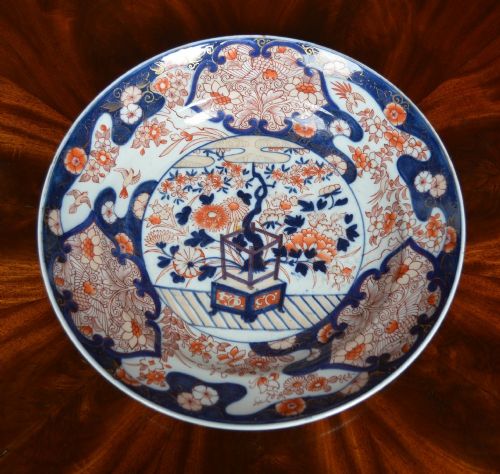
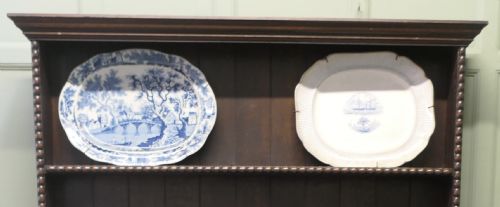
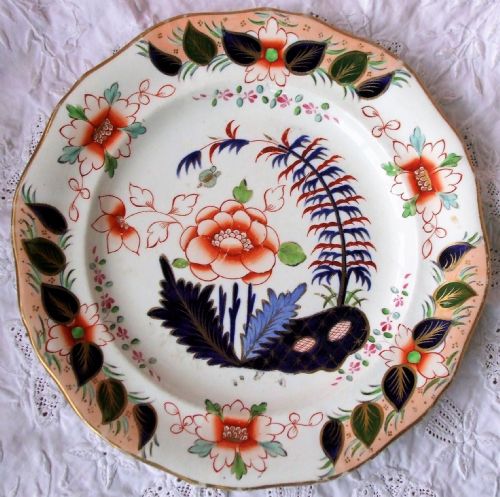
Japanese Imari and Satsuma wares dominate the selections, alongside French portrait plates, English ironstone, and Chinese export ceramics. These objects range from modest cabinet plates to large chargers measuring over twenty centimetres across.
How they were made
Potters shaped ceramic bodies from porcelain, earthenware, or ironstone, applying detailed hand-painted designs using cobalt blue, enamel colours, and gilt highlights. Many pieces show the combined application of glaze and gold leaf to create rich, textured surfaces.
Specialised techniques such as moriage relief work and totai shippo cloisonne effects appear on Japanese items, while European factories utilised intricate hand-painted portraiture and armorial crests fired at high temperatures.
Look closely for the Seven Lucky Gods hiding among the intricate painted details of Japanese chargers.
What varies in quality
Quality rests upon the precision of the hand-painting and the complexity of the design, with superior pieces showing meticulous brushwork on portraits, foliage, or figures. The crispness of the porcelain body and the richness of the gilding further distinguish standard production items from exceptional commissions.
John Davenport of Longport·Royal Crown Derby·Royal Worcester
The Decorative Porcelain Wall Charger Glossary
- Charger
- A large decorative plate or platter traditionally used for display rather than service. These pieces usually measure significantly larger than standard dinner plates.
- Imari
- A traditional style of Japanese export porcelain characterised by a palette of blue, iron red, and gold. Artisans produced these items extensively during the Edo and Meiji periods.
- Moriage
- A decorative ceramic technique involving the application of raised slip dots or lines to create a textured, three-dimensional surface design. Potters often used this method on Satsuma wares.
- Ironstone
- A heavy, durable type of earthenware developed in nineteenth-century England as a robust alternative to porcelain. Factories glazed and painted these pieces to mimic oriental porcelain.
- Cabinet plate
- A fine decorative plate intended for display within a cabinet or on a wall. These items often feature detailed hand-painted scenes or armorial crests.
Decorative Porcelain Wall Charger: Frequently Asked Questions
How do I hang a wall charger safely?
Displaying a large plate on a wall requires a dedicated wire or brass spring hanger designed to distribute the weight evenly across the rim. Ensure the fixture fastens securely into solid walling rather than plasterboard alone.
Selecting a position away from direct sunlight and heavy foot traffic protects the glaze and prevents accidental knocks to the piece.
Were these chargers used for food?
Most chargers of this scale served as decorative items or centrepieces rather than practical tableware. Their expansive surfaces and delicate gilt decoration meant they were meant for visual admiration.
European cabinet plates and Japanese display chargers remained strictly ornamental, preserved on walls or within glass-fronted furniture.
How can I tell Japanese Imari periods apart?
Dating Japanese Imari involves examining the weight of the porcelain, the brightness of the cobalt blue underglaze, and the density of the iron red and gold overglaze painting. Meiji period pieces often display a vibrant, denser application of colour compared to earlier examples.
The clarity of the foot ring and the presence of kiln marks also help experts determine the era of production.
What is the difference between earthenware and porcelain?
Porcelain is fired at much higher temperatures, resulting in a dense, vitrified body that rings slightly when struck and does not absorb moisture. Earthenware, including ironstone, is more porous and opaque, requiring a heavy glaze to seal the surface.
Visually, porcelain appears more refined and often transmits light through thin edges, whereas earthenware offers a heavier, sturdier feel.