






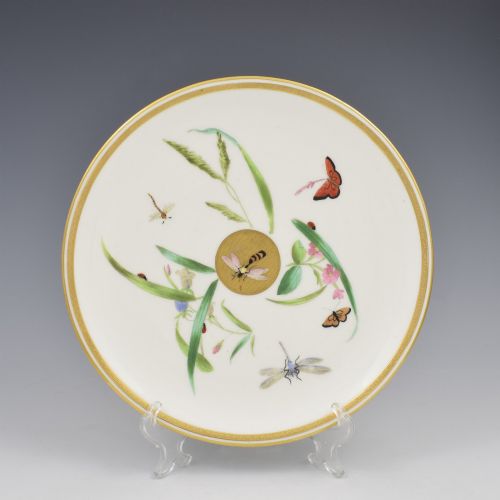

Japanese Wall Dish
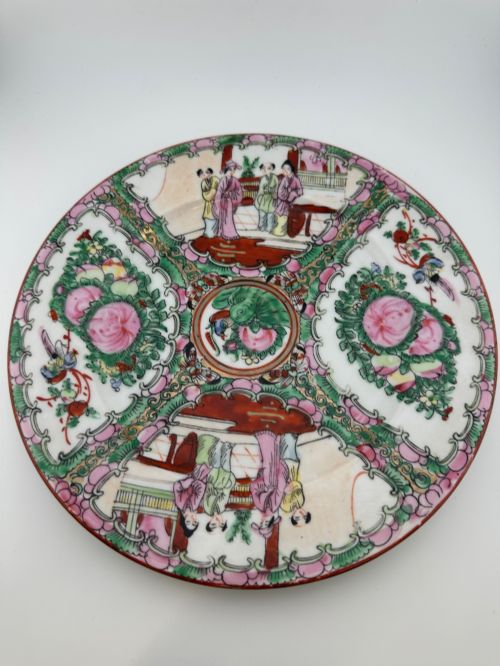
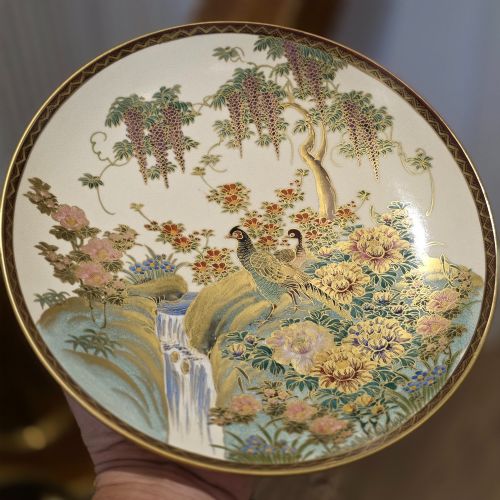
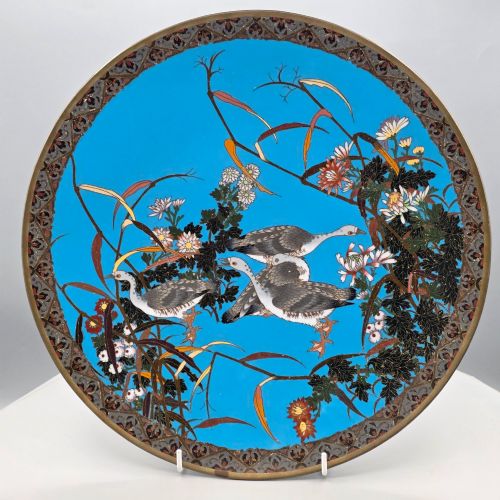
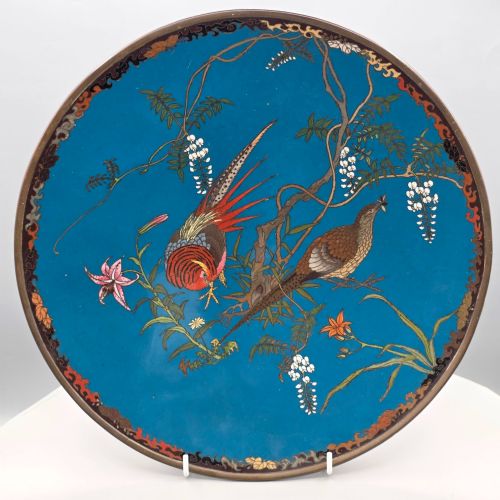
When you search for a japanese wall dish, you encounter decorative plates and chargers executed in porcelain and cloisonne enamel during the Meiji period.
Japanese Wall Dish
A japanese wall dish comprises decorative plates, chargers, and plaques designed primarily for display rather than table service. These objects range from blue and white porcelain to elaborate cloisonne enamel and patinated iron.
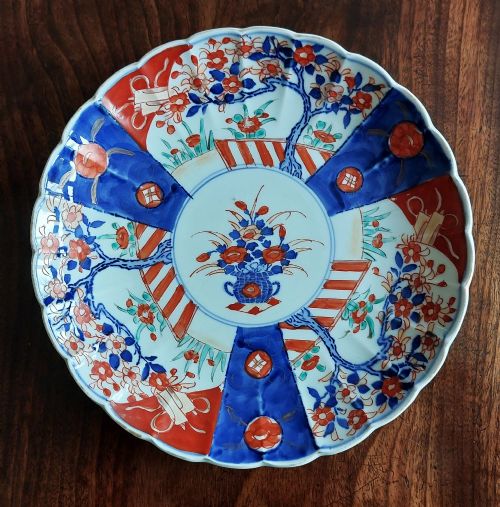
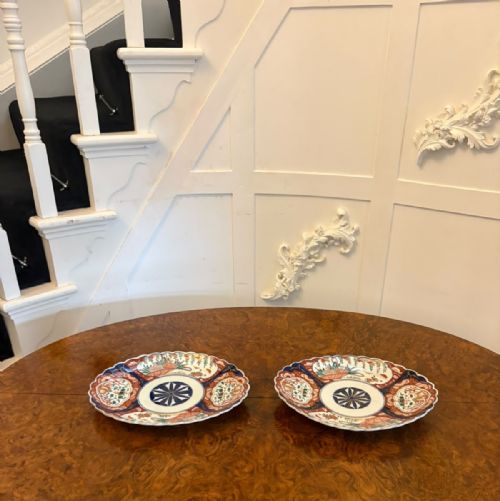
The versions most commonly met on this page belong to the Meiji and Taisho periods, spanning the late nineteenth and early twentieth centuries. Collectors frequently encounter large Imari chargers and Satsuma earthenware alongside detailed enamel plaques depicting birds, flowers, and landscapes.
Forms vary from scalloped edge plates to wide cabinet plates and heavy chargers fitted with hanging mounts. Arita and Kutani traditions appear alongside works attributed to specific makers such as Koshida.
How they were made
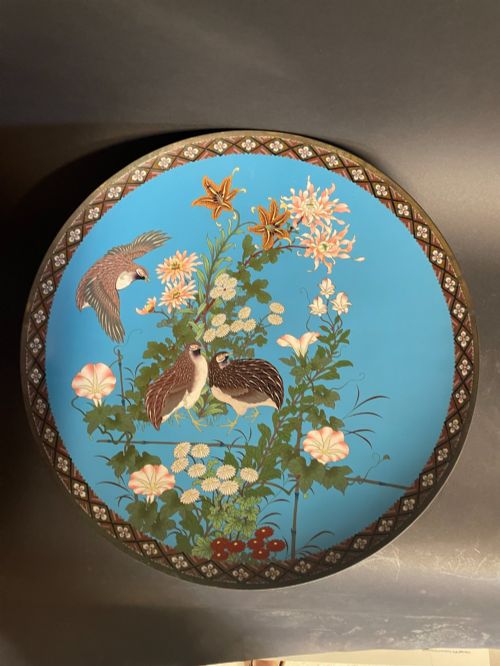
Makers utilised porcelain and copper as the primary substrates, applying glazes, gold leaf, and enamel to build intricate surface patterns. Cloisonne examples rely on thin metal wires soldered to a copper base to outline cells filled with coloured vitreous paste.
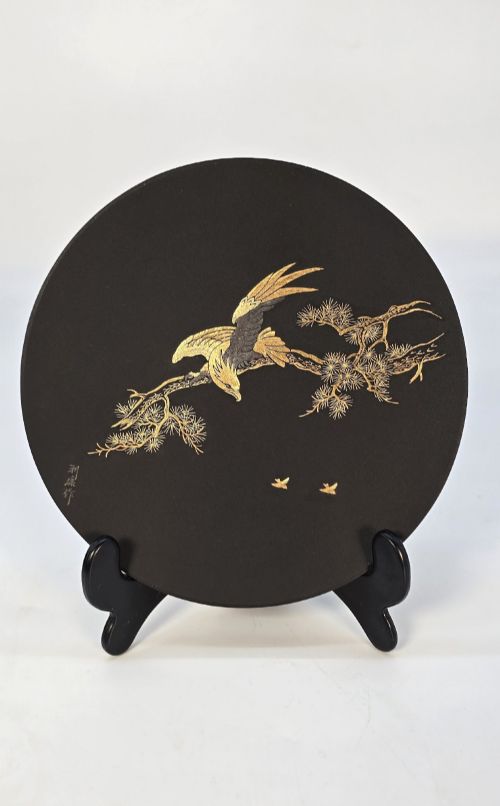
Porcelain pieces such as Imari and Arita wares combine cobalt blue underglazes with iron red and gilt overglaze highlights, fired repeatedly in kilns to fix the colours. Patinated iron plaques incorporate gold and silver inlay hammered into etched channels to create pictorial depth.
Current listings feature porcelain, copper, and patinated iron across the Meiji, Taisho, and Victorian periods.
What varies in quality
The division between ordinary and exceptional pieces rests upon the precision of the drawing and the complexity of the palette. In cloisonne works, finer wirework and denser, unblemished enamel fields separate masterworks from standard production.
For porcelain, the clarity of the cobalt underglaze, the crispness of the scalloped moulding, and the richness of the gilt highlights dictate the standing of a charger or plate. Satsuma items rely on the delicacy of the moriage relief work and hand-painted detail.
Koshida
The Japanese Wall Dish Glossary
- Imari
- A style of Japanese porcelain featuring a palette dominated by underglaze blue, iron red, and gilt. These pieces were traditionally exported from the port of Imari during the Edo and Meiji periods.
- Cloisonne
- A decorative metalwork technique where fine wire creates compartments on a copper body that are filled with enamel paste. The surface is then fired and polished to a smooth finish.
- Charger
- A large decorative plate intended for display on a wall or sideboard rather than dining use. Chargers often measure over thirty centimetres across and showcase the finest pictorial work of a workshop.
- Satsuma
- An earthenware pottery type with a fine crackle glaze, typically decorated with polychrome enamels and raised gold. These wares gained prominence for intricate figurative and floral scenes.
- Arita
- The historic centre of Japanese porcelain production in Hizen province. Arita kilns produced much of the blue and white and Imari ware exported to the West.
Japanese Wall Dish: Frequently Asked Questions
How were japanese wall dishes displayed?
Many large chargers and plates were fitted with metal wire attachments on the foot rim to allow secure hanging on walls. Others rested on wooden stands or inside shallow cabinets for interior display.
Collectors often continue this tradition today by mounting chargers on walls where strong lighting can reveal the subtle details of the enamel or porcelain.
What is the difference between Imari and Kutani?
Imari porcelain relies on a distinct palette of underglaze blue combined with rust red and gold highlights, often arranged in formal geometric and floral panels. Kutani wares tend to feature bolder, heavier applications of colour with pictorial scenes dominated by greens, reds, and yellows.
Both styles were produced in large quantities for export during the Meiji period but remain visually distinct on the wall.
How do I date a Meiji period dish?
Dating relies on stylistic shifts, material composition, and any workshop signatures stamped or painted on the base. The Meiji period spans from eighteen sixty-eight to nineteen twelve, a time when Japanese craftsmanship shifted from traditional patronage to international export markets.
Pieces marked with specific studio names or exhibiting high-purity cloisonne wiring typically point towards the later decades of the nineteenth century.
Can I use these plates for food?
Antique decorative chargers and wall plates are intended strictly for display and appreciation. Older glazes and metallic elements such as gold leaf or lead-bearing enamels are not suited for modern culinary use.
Examine the surface for historic wear and preserve the original finish by avoiding washing or abrasive cleaning methods.