


Decorative Porcelain Ornament
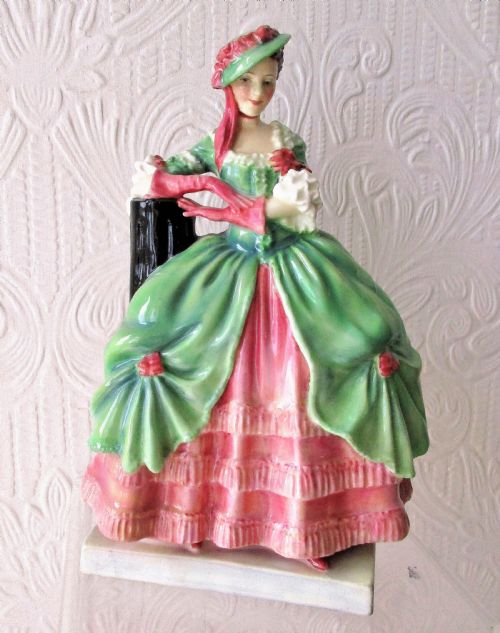
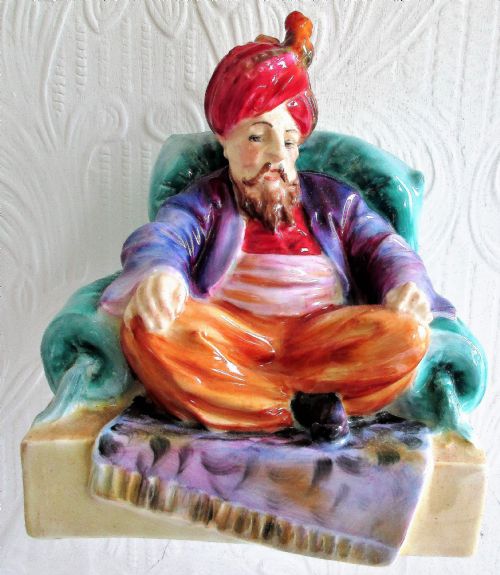
When you choose a decorative porcelain ornament, you invite expressive Victorian figures, vibrant parrots, and detailed vases into your room.
Decorative Porcelain Ornament
A decorative porcelain ornament encompasses a wide variety of sculptural and functional forms designed to display craftsmanship in domestic interiors. When searching this phrase, collectors encounter Victorian figures, ewers, and vases shaped from ceramic, earthenware, and bisque porcelain.
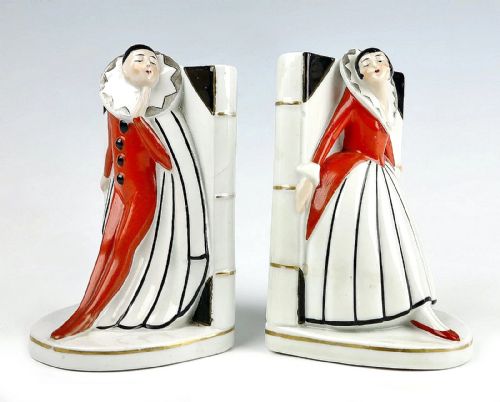
The selections span distinct historical periods, including nineteenth century iterations influenced by Rococo Revival and Art Nouveau styles, alongside later twentieth century Art Deco bookends and figures. These pieces originate from diverse European and Asian traditions, ranging from English and French factories to German and Japanese workshops.
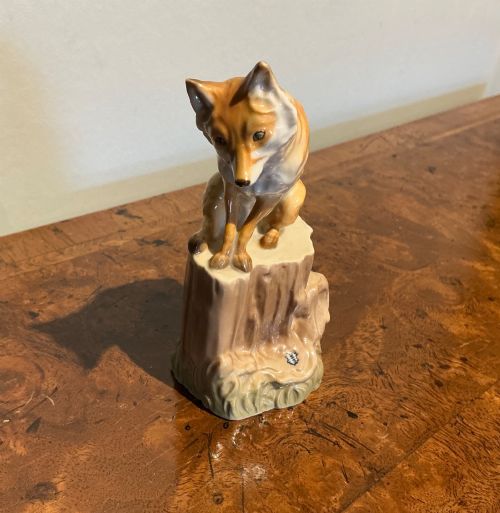
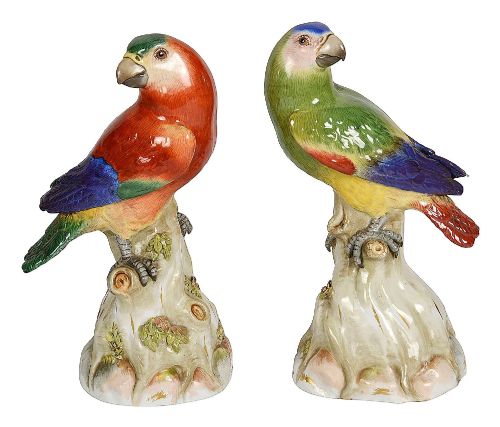
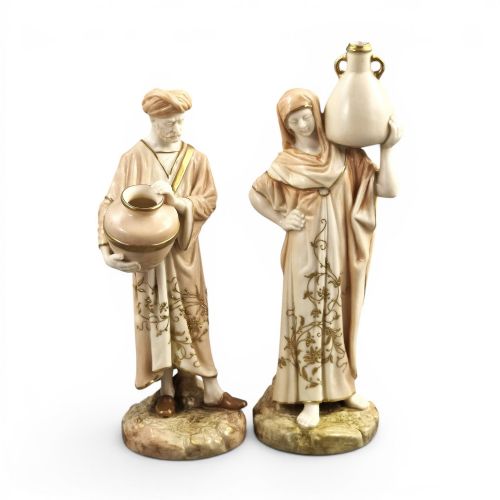
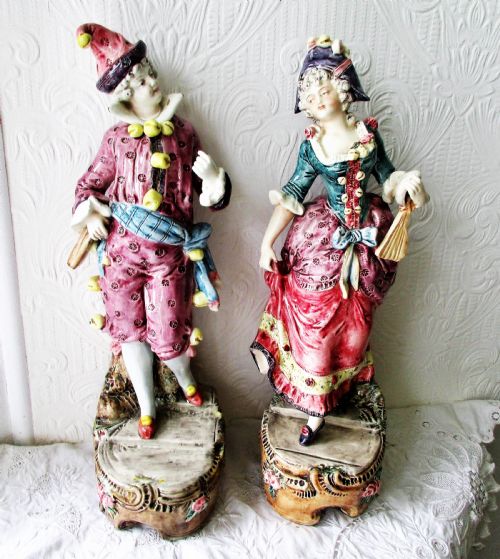
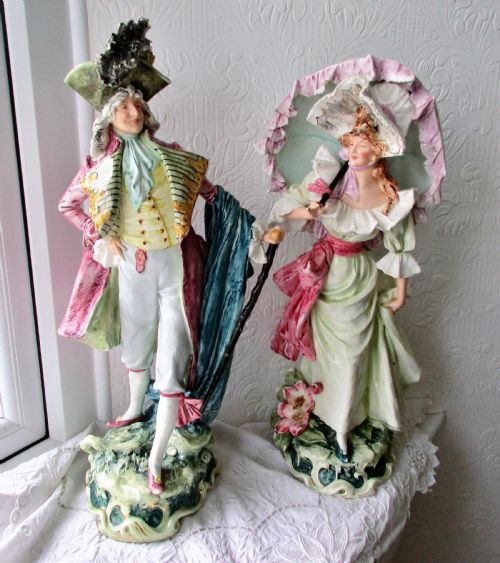
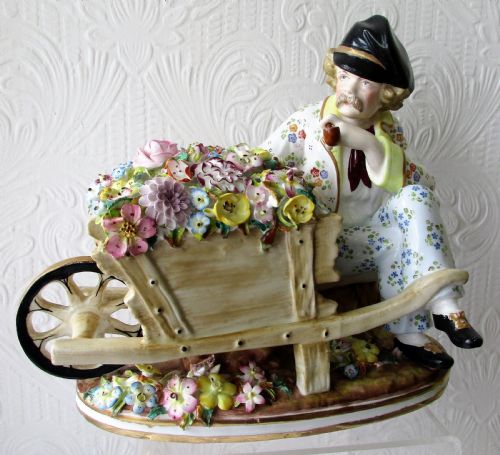
Figurines and pairs of birds or human subjects dominate the visual landscape of these listings. Buyers frequently meet works depicting animals, mythological scenes, and genre figures such as water carriers and musicians.
How they were made
Makers shaped these objects using porcelain, ceramic, and earthenware bodies, frequently applying intricate glaze, enamel, and gold leaf accents to the surfaces. Bisque porcelain provided a matte, unglazed finish suited to sculptural detail, while gloss glazes added reflective depth.
Hand-painting brought vibrant colour to figures and vessels, often complemented by gilding and specialised enamelling techniques. Artisans also utilised earthenware and faience bodies, moulding them into elaborate forms before firing and decorating.
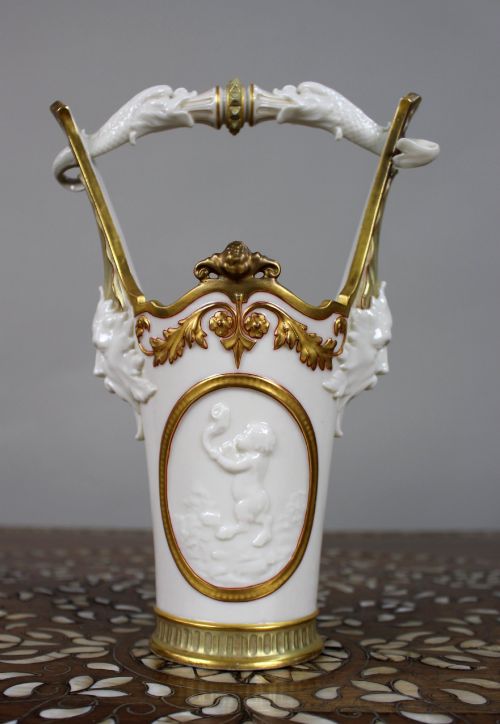
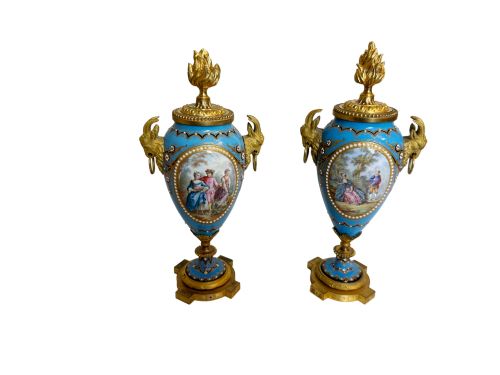
Common decorative forms include figures, vases, ewers, and cassolettes decorated with gold leaf and enamel.
What varies in quality
The standard of a decorative porcelain ornament depends upon the precision of the modelling and the finesse of the hand-painted decoration. Finer examples display crisp anatomical details in figures and careful application of enamel and gold leaf.
Nymphenburg·Meissen·Royal Worcester·James Hadley·John Bevington·Royal Doulton·Krister KPM Waldenburg·Volkstedt·Samson Paris·Chantilly·Royal Dux·Staffordshire·Vion et Baury·Ernst Wahliss
The Decorative Porcelain Ornament Glossary
- Bisque Porcelain
- Unglaved porcelain that has been fired once, presenting a matte, marble-like texture ideal for detailed figures. It gained immense popularity during the nineteenth century for classical and sentimental sculptures.
- Cassolette
- A decorative vessel shaped like a vase or jar, often featuring a dual-purpose lid that could reverse to hold perfume or potpourri. These objects frequently appear in pairs on nineteenth century mantelpieces.
- Ewer
- A large jug with a wide spout and a looped handle, traditionally used for pouring water but valued here purely for ornamental display. Victorian examples often incorporate elaborate sculptural handles and classical motifs.
- Faience
- Tin-glazed earthenware produced in various European centres, known for its opaque white background and painted decoration. It offers a heavier, more porous body than true porcelain.
- Okimono
- A Japanese carved statuette designed for display on a shelf or in a traditional alcove rather than for ritual use. These decorative carvings often depict figures, deities, or animals with high levels of naturalistic detail.
- Parian
- A fine white bisque porcelain developed in the nineteenth century to imitate carved marble. It is particularly associated with classical portrait busts and sculptural figures.
Decorative Porcelain Ornament: Frequently Asked Questions
What is a decorative porcelain ornament?
It is a sculptural or functional item made from fired clay and porcelain, designed primarily for visual display in an interior space.
These objects range from delicate animal figures and human portraits to decorative vases and ewers created across the nineteenth and twentieth centuries.
How were these ornaments used originally?
Most of these pieces served as decorative accents on mantelpieces, side tables, and cabinets within Victorian and Edwardian homes.
Some items, such as cassolettes or jardinières, held potorurri or plants, while figures and okimono existed solely to demonstrate taste and wealth.
How do I identify the period of a piece?
Stylistic clues such as Rococo Revival curves, Art Nouveau botanical lines, or Art Deco geometric forms help establish a general date range.
Factory marks, signatures, and material types like Parian or bisque porcelain also provide concrete evidence of when an object was manufactured.
How do I care for antique porcelain?
These items require gentle dusting with a soft, dry brush to prevent the accumulation of dirt on delicate painted surfaces and gilt details.
Keep them away from direct sunlight to protect enamel colours, and handle them only by sturdy structural parts rather than fragile extremities.