

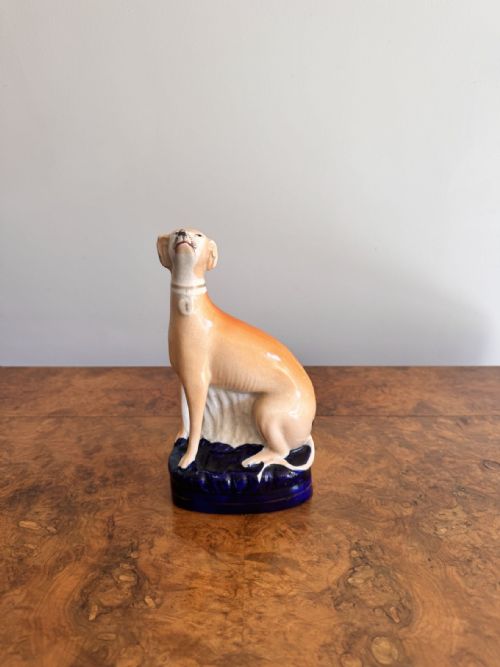
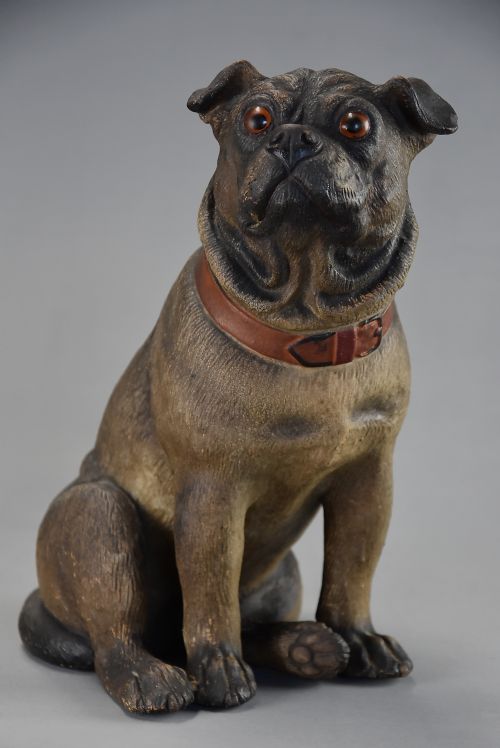
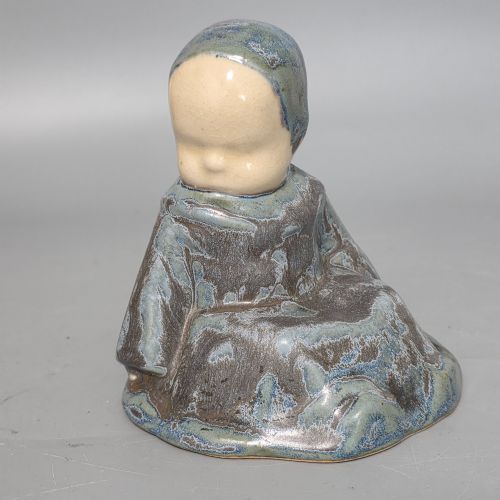
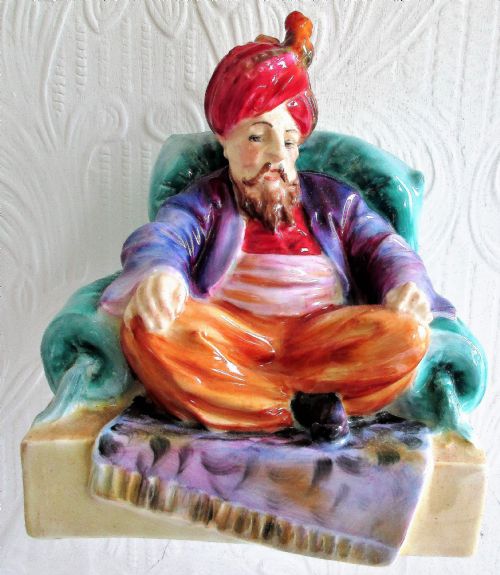


Vintage Ceramic Seated Figurine
These vintage ceramic seated figurine examples span centuries of modelling traditions, offering characterful focal points for a mantelpiece or cabinet.
Vintage Ceramic Seated Figurine
When you search for a vintage ceramic seated figurine, you encounter sculptural works depicting human, animal, and mythological subjects in repose. These pieces originate from varied eras, ranging from Georgian examples to mid-century creations.
The selections on this page most frequently present seated figures in earthenware, porcelain, and terracotta. They include Staffordshire spaniels, musical figures, and character studies from different European workshops.
How they were made
Makers shaped these sculptures using materials such as terracotta, bisque porcelain, and glazed earthenware. Artisans then applied intricate enamel details and specialised glazes to finish the surfaces.
Moulding and hand-modelling techniques allowed workshops to produce both detailed portrait figures and robust animal statues. Firing processes varied according to the specific clay body and glaze employed.
Vintage Ceramic Seated Figurine Retail Price Guide 2026
Typical asking prices for vintage ceramic seated figurine among the pieces listed under this phrase on Sellingantiques today, from the lower quarter to the upper quarter. They describe what is for sale here now, not the wider market.
The listings on this site feature pieces spanning from the Georgian period through the 1940s, utilising earthenware, porcelain, and terracotta.
What varies in quality
The sophistication of the modelling and the precision of the hand-painting set individual examples apart. Finer pieces display crisp facial expressions and careful attention to anatomical or textural details.
The choice of body material also influences the character of the object, with delicate bisque porcelain offering a different tactile quality compared to heavier glazed earthenware or terracotta.
Berthe Savigny·Royal Doulton·Derby·Foucher
The Vintage Ceramic Seated Figurine Glossary
- Bisque porcelain
- Unglazed white porcelain fired to a matte, tactile finish. It reveals fine sculptural details without the interference of a glossy surface.
- Terracotta
- Fired brownish-red clay used extensively for sculptural figures. It provides a warm, porous base often finished with pigments or glazes.
- Earthenware
- Porous pottery fired at lower temperatures than porcelain. It requires an applied glaze to become impervious to liquids.
- Staffordshire
- Pottery originating from the English region known for ceramic production. Figures from this area often depict animals and notable persons.
- Enamel
- Vitreous composition fused to the surface of ceramics for decoration. It adds vibrant colour and protective sheen to the fired body.
Vintage Ceramic Seated Figurine: Frequently Asked Questions
What is a piano baby?
Piano babies are decorative porcelain or bisque figures produced in the late nineteenth and early twentieth centuries. They frequently depict infants or children in relaxed, seated, or reclining postures.
Originally, people placed these figurines on the top of upright pianos, sometimes to hold lace runners in place. Today, collectors value them for their charming expressions and diverse poses.
What distinguishes bisque from porcelain?
Bisque refers to porcelain that has undergone an initial firing without a final glaze layer. This leaves the ceramic with a smooth, matte texture resembling fine marble.
Standard porcelain receives a glassy coating before a second firing, creating a shiny waterproof surface. Bisque pieces highlight the sculptor's fine modelling work by avoiding surface glare.
How should I clean antique ceramics?
Dust these decorative figures gently with a soft, dry brush to prevent the accumulation of dirt in crevices. Avoid using harsh chemical cleaners or submerging unglazed pieces in water.
Unglazed terracotta and bisque absorb moisture easily, which can cause staining or damage to older bodies. Glazed earthenware and porcelain tolerate careful wiping with a damp cloth.