


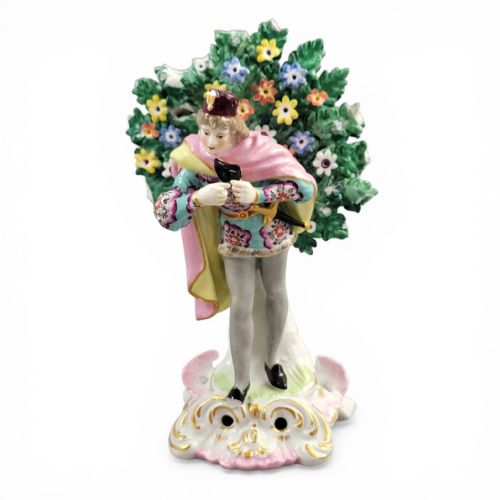


Antique Chelsea Porcelain
These pieces of antique chelsea porcelain combine delicate modelled forms with handpainted polychrome scenes, offering collectors a tangible piece of early English ceramic history.
Antique Chelsea Porcelain
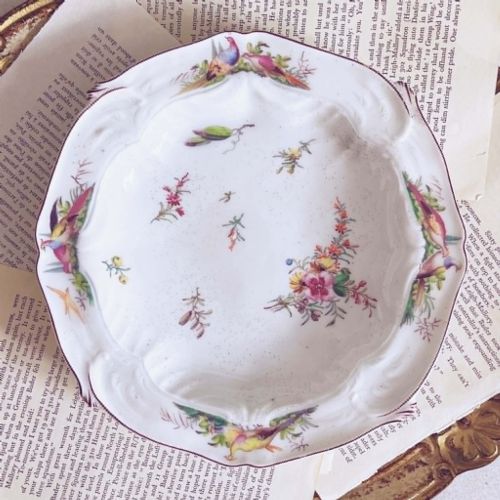
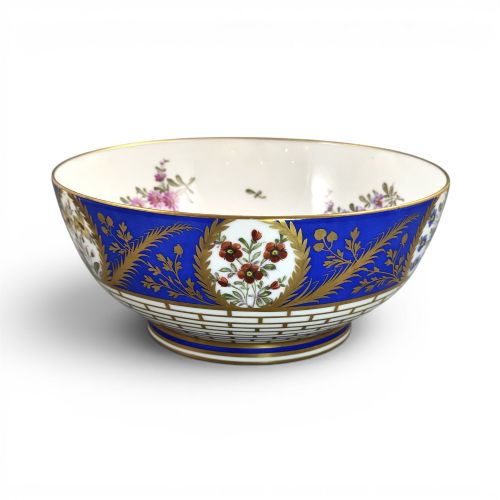
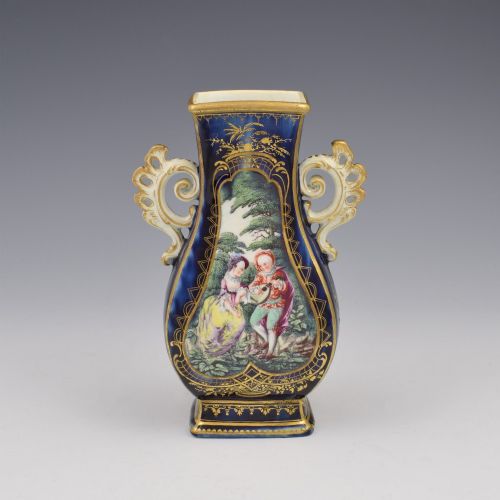
When you search for antique chelsea porcelain, you encounter both eighteenth-century specimens and later nineteenth-century revivals. The objects range from figures and figurines to vases, plates, bowls, sauce boats, and candlesticks.
Early examples date from the seventeen-fifties and seventeen-sixties, while later interpretations come from nineteenth-century makers working in Paris and Germany. Both periods provide decorative plates, allegorical figures, and botanical forms.
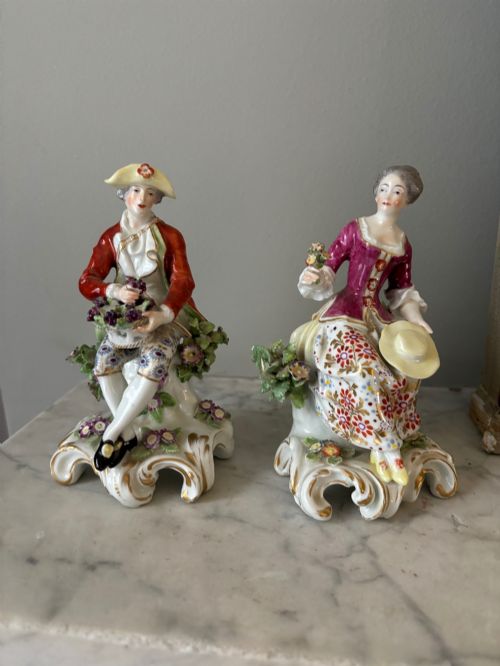
The material takes the shape of pastoral groups, mythological figures like Diana, and utilitarian vessels such as cream jugs and sauce boats. These items reflect the shifting aesthetic tastes of the Georgian and Victorian eras.
Materials and production methods
Early pieces utilise soft-paste porcelain, while later interpretations incorporate hard-paste porcelain and enamel decoration. Potters shaped the clay into intricate moulds, forming figures with detailed drapery and bocage backgrounds.
Markings such as the red anchor and gold anchor help identify the production period and distinguish original factory output from later nineteenth-century continental revivals.
Several eighteenth-century figures bring goats to the party, immortalising farmyard charm in glossy enamel.
Quality variations in the range
The standard of painting on the porcelain determines much of the visual success, separating hastily decorated items from those with finely detailed plumage, flora, and facial expressions. Precision in the modelling of fingers, leaves, and bocage elements further divides the ordinary from the exceptional.
The application of gilding and the crispness of the gold leaf reveal the care taken during finishing. Earlier paste bodies show different translucency compared to later French or German equivalents, influencing the overall weight and resonance of the piece.
Edme Samson·John Rose Coalport·James Giles
The Antique Chelsea Porcelain Glossary
- Soft-paste porcelain
- A glassy ceramic composition fired at lower temperatures than hard-paste, common in early English factories. It produces a warm, creamy body that absorbs enamel colours effectively.
- Gold anchor
- A factory mark utilised by Chelsea during its later period from approximately seventeen fifty-nine to seventeen sixty-eight. Pieces bearing this mark often display rich gilding and sophisticated polychrome painting.
- Bocage
- An applied background of leaves and branches modelled in relief around ceramic figures. It creates a leafy arbour typical of eighteenth-century pastoral and allegorical groups.
- Polychrome
- Decoration employing multiple distinct colours painted onto the ceramic surface. It brings life to bird studies, pastoral scenes, and floral motifs.
- Red anchor
- An earlier factory mark associated with Chelsea output from the mid-eighteenth century. Items with this mark generally predate the gold anchor period.
Antique Chelsea Porcelain: Frequently Asked Questions
How do I spot a later nineteenth-century copy?
Later copies often bear anchor marks imitating the original eighteenth-century factory symbols. Examine the paste composition and the crispness of the modelling to judge origin.
Nineteenth-century French and German workshops produced extensive tributes and revival pieces. These items frequently display heavier gilding and brighter enamel palettes than their Georgian predecessors.
What is the difference between soft-paste and hard-paste?
Soft-paste contains glass frit and clay, creating a softer body with a distinctive warm glaze texture. It was the primary medium for early English production.
Hard-paste includes petuntse and kaolin, firing at higher temperatures to form a denser, more durable material. Later European manufacturers favoured this formulation for its resilience.
How were these porcelain figures used originally?
Figurines and allegorical groups served as decorative table ornaments during formal dining. They decorated dessert tables alongside plates, bowls, and sweetmeat dishes.
Larger figures and vases remained static on mantelpieces and cabinets as displays of wealth and taste. Vases also held cut flowers or served purely as decorative focal points in drawing rooms.
Why do some pieces feature leaf and tree backgrounds?
The leaf and branch work, known as bocage, draws inspiration from pastoral drama and contemporary theatrical themes. It frames mythological figures and shepherds in natural settings.
This technique required careful kiln work to prevent the delicate foliage from warping. Surviving bocage demonstrates the skill of the modellers in creating three-dimensional depth.
What subjects appear most frequently on these pieces?
Pastoral scenes, mythological characters, and exotic birds dominate the painted and modelled output. Figures represent seasons, continents, and theatrical actors with masks.
Tableware displays botanical studies, fruit compositions, and Watteau-style landscapes. These themes reflect the eighteenth-century fascination with classical antiquity and nature.