

Decorative Overmantel Mirror
When you search for a decorative overmantel mirror, you find large wall pieces designed to sit above a fireplace and anchor a room.
Decorative Overmantel Mirror
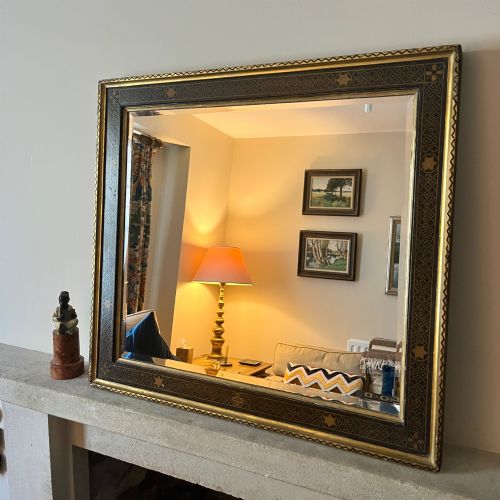
A decorative overmantel mirror sits above a mantelpiece, drawing the eye upwards and reflecting light across the room. These pieces span the nineteenth century, Victorian era, and early twentieth century.
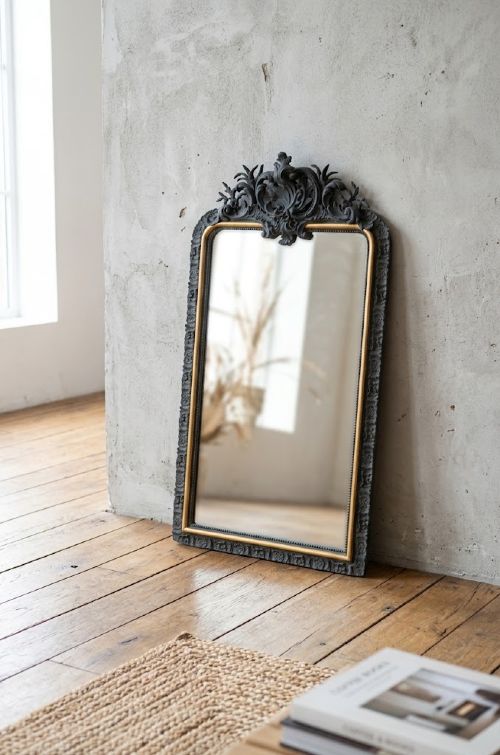
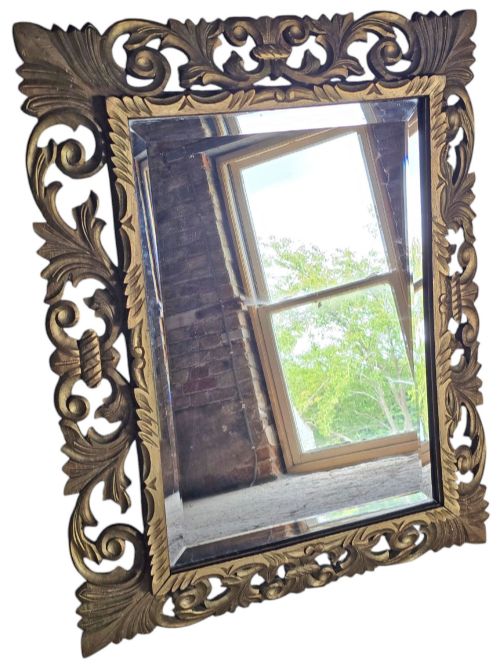
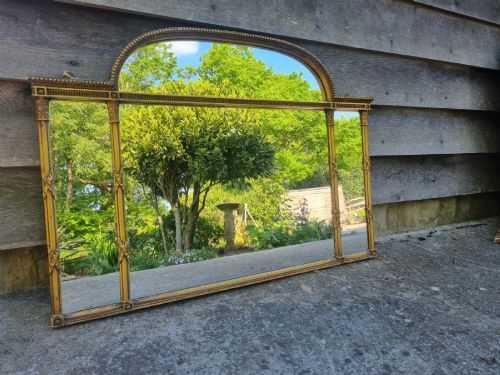
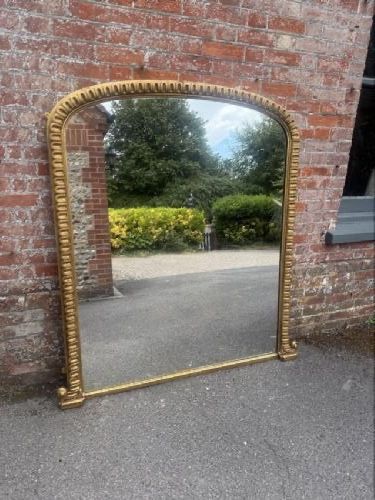
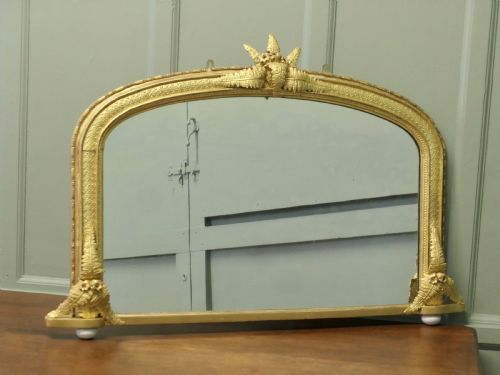
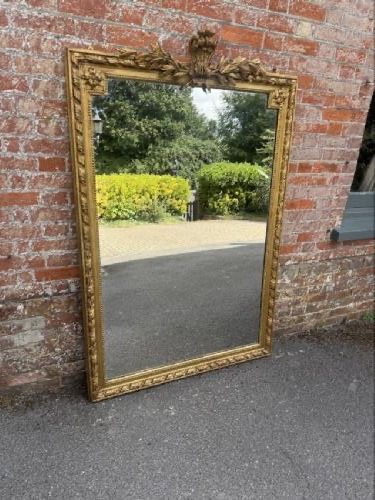
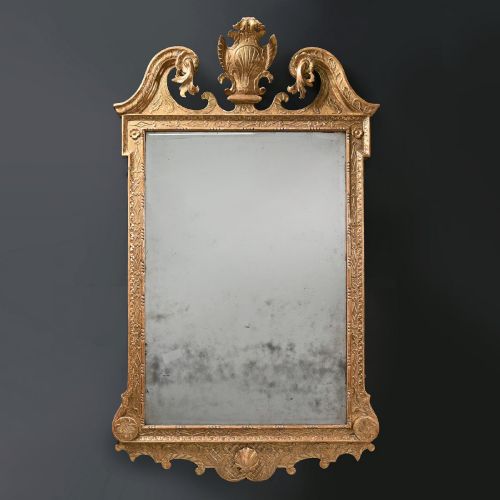
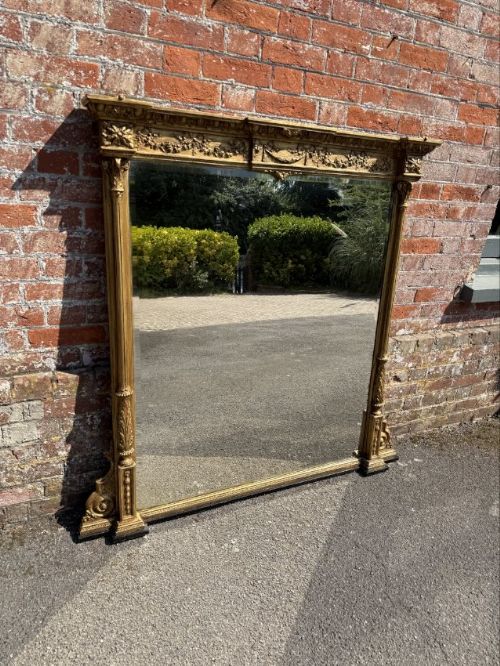
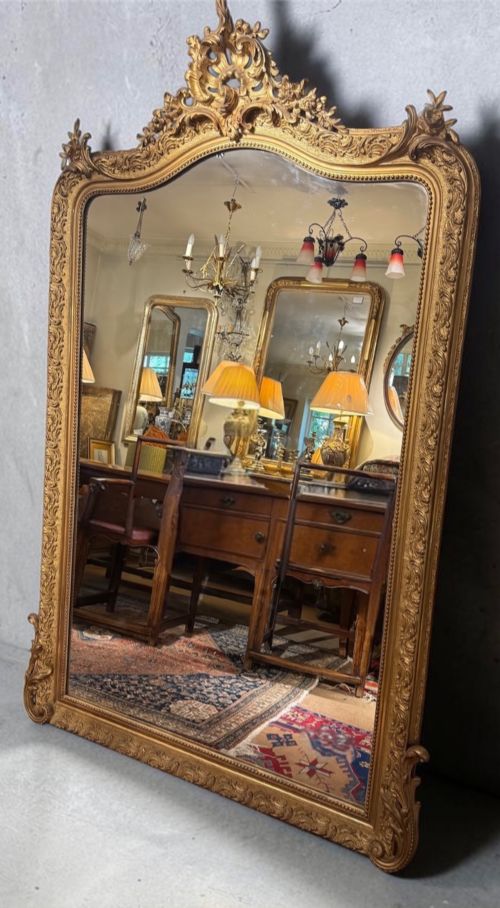
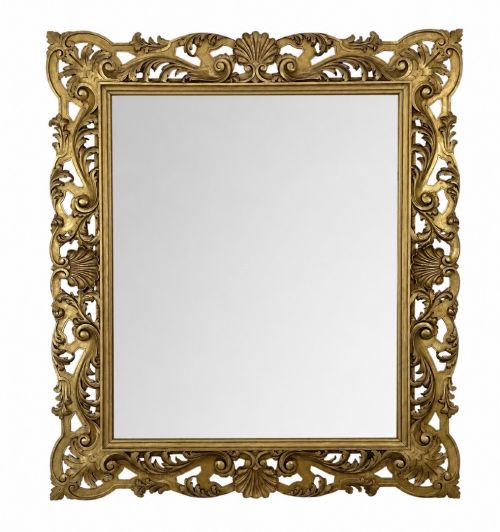
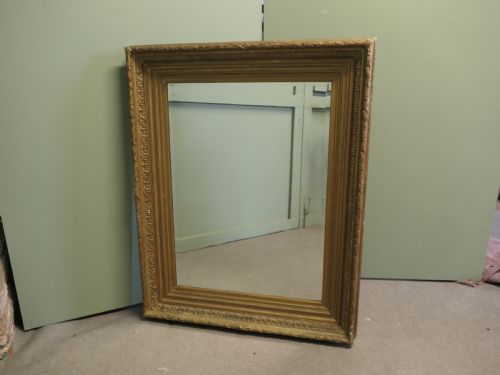
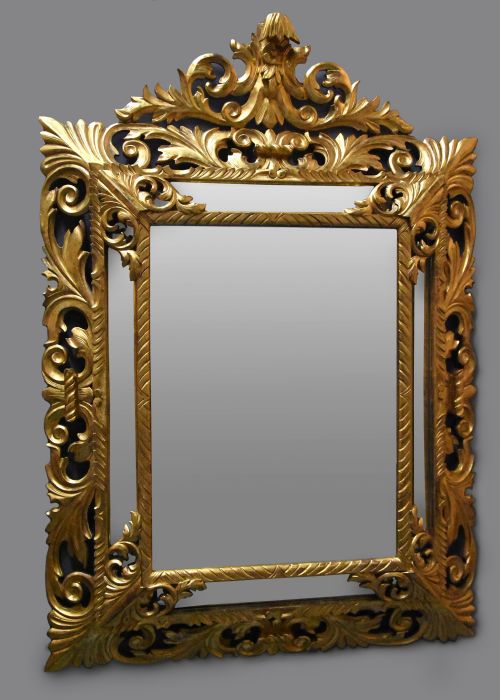
You will frequently encounter large giltwood and painted wood frames, often featuring arched tops, rope twists, or columns. Styles range from French Rococo Revival and Louis XVI to Regency and Edwardian.
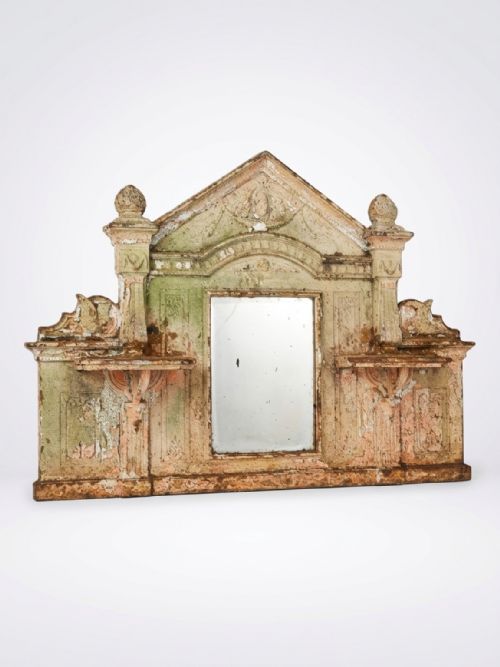
Many examples incorporate decorative details such as central cartouches, flowers, or carved gesso ornamentation. They function as statement pieces in domestic interiors, mirroring the architectural proportions of historic fireplaces.
Materials and construction methods
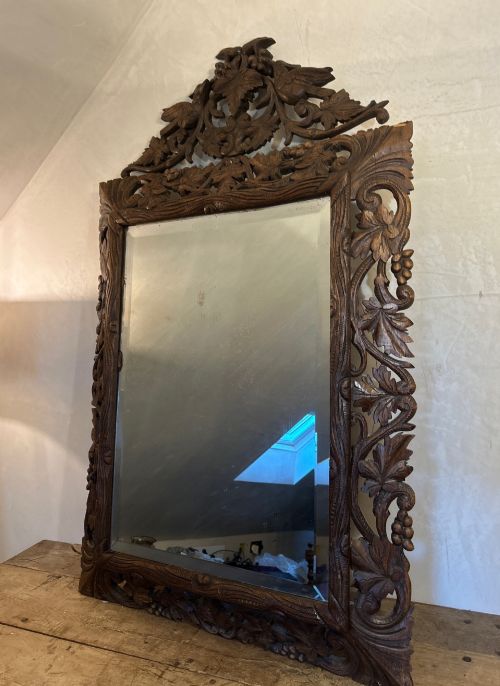
Makers built the heavy structural frames from carved oak, pine, or other hardwoods, applying layers of gesso to create crisp relief ornament. Artisans then applied gold leaf, liquid paint, or ebonised finishes over the plaster and wood groundwork.
Reflecting plates of glass were traditionally set into the rebates from the back, sometimes showing the characteristic foxing of age. Giltwood and parcel-gilt treatments dominate the surviving record, combining carved woodwork with burnished metallic surfaces.
Some nineteenth-century French mirrors retain tiny traces of historic soot in their carved crevices from coal-fired London and Paris drawing rooms.
Distinguishing craftsmanship
Quality rests in the depth and crispness of the hand-carved gesso and wood details, where sharp relief distinguishes superior work from softer, mass-produced moulding. The integrity of the original gilding and the harmony of the proportions also mark out finer pieces.
Substantial frames that retain their original glass and uncompromised structural joints command greater interest. The skill involved in creating complex arched tops or intricate rope twist frames dictates the standing of each mirror.
The Decorative Overmantel Mirror Glossary
- Overmantel mirror
- A large wall mirror specifically proportioned to hang on the wall directly above a fireplace mantelpiece. They often feature horizontal or arched formats designed to span the width of the hearth.
- Giltwood
- Timber, commonly pine or oak, that has been coated with gold leaf or metallic powder applied over a prepared gesso ground. This technique creates a bright, reflective metallic finish.
- Gesso
- A plaster-like mixture of gypsum or chalk mixed with glue binder, applied to wood frames and carved into intricate decorative motifs before gilding. It provides a smooth, receptive surface for gold leaf.
- Trumeau mirror
- A decorative wall mirror combined with a painted panel or carved artwork within a single integrated frame, originating in French interior design. They were traditionally built into the wood panelling of a room.
- Foxing
- Small dark spots and discoloration appearing within the silvered backing of antique mirror glass caused by oxidation over decades. This natural ageing process indicates original glass plates.
Decorative Overmantel Mirror: Frequently Asked Questions
How do I hang a heavy overmantel mirror safely?
These large framed mirrors require robust wall fixings secured directly into masonry or structural studs rather than standard plasterboard alone. Professional mirror brackets distributed across the weight-bearing points of the wooden frame ensure stability.
Because nineteenth-century pieces can be exceptionally heavy, checking the integrity of the hanging cord or D-rings on the reverse is essential before installation. Ensuring the mantelpiece below provides adequate clearance protects the lower edge of the frame from accidental impacts.
What is the difference between a pier mirror and an overmantel mirror?
A pier mirror was traditionally designed to hang on the narrow section of wall between two windows, often reflecting light back into darker corners of a room. These pieces tend to be taller and narrower than their fireplace counterparts.
Overmantel mirrors are proportioned horizontally or feature expansive arched tops to sit comfortably above a fireplace opening. While both share Victorian and Regency aesthetic traits, their original architectural placement dictated their dimensions.
Should I replace foxed mirror glass?
Retaining original glass with light foxing preserves the authentic historic character and age of the piece. Many collectors actively seek out original silvering showing natural oxidation rather than crisp, modern mirror plates.
Replacement glass is typically reserved for instances where the original plate is broken or too degraded to function as a reflection. Original surfaces contribute substantially to the visual identity of an antique frame.
How do I clean a gilded wood frame?
Dusting gently with a dry, soft brush prevents the accumulation of dirt without disturbing fragile gesso or gold leaf layers. Liquid cleaners and abrasive cloths must be avoided entirely, as moisture strips historical finishes.
Periodic inspection by a specialist restorer helps maintain the stability of carved wooden elements and flaking plaster. Gentle care preserves the delicate burnished surfaces characteristic of nineteenth-century frames.